EXPERT ADVISE
Bathroom Remodeling Red Flags Every Homeowner Should Watch For
January 29, 2026
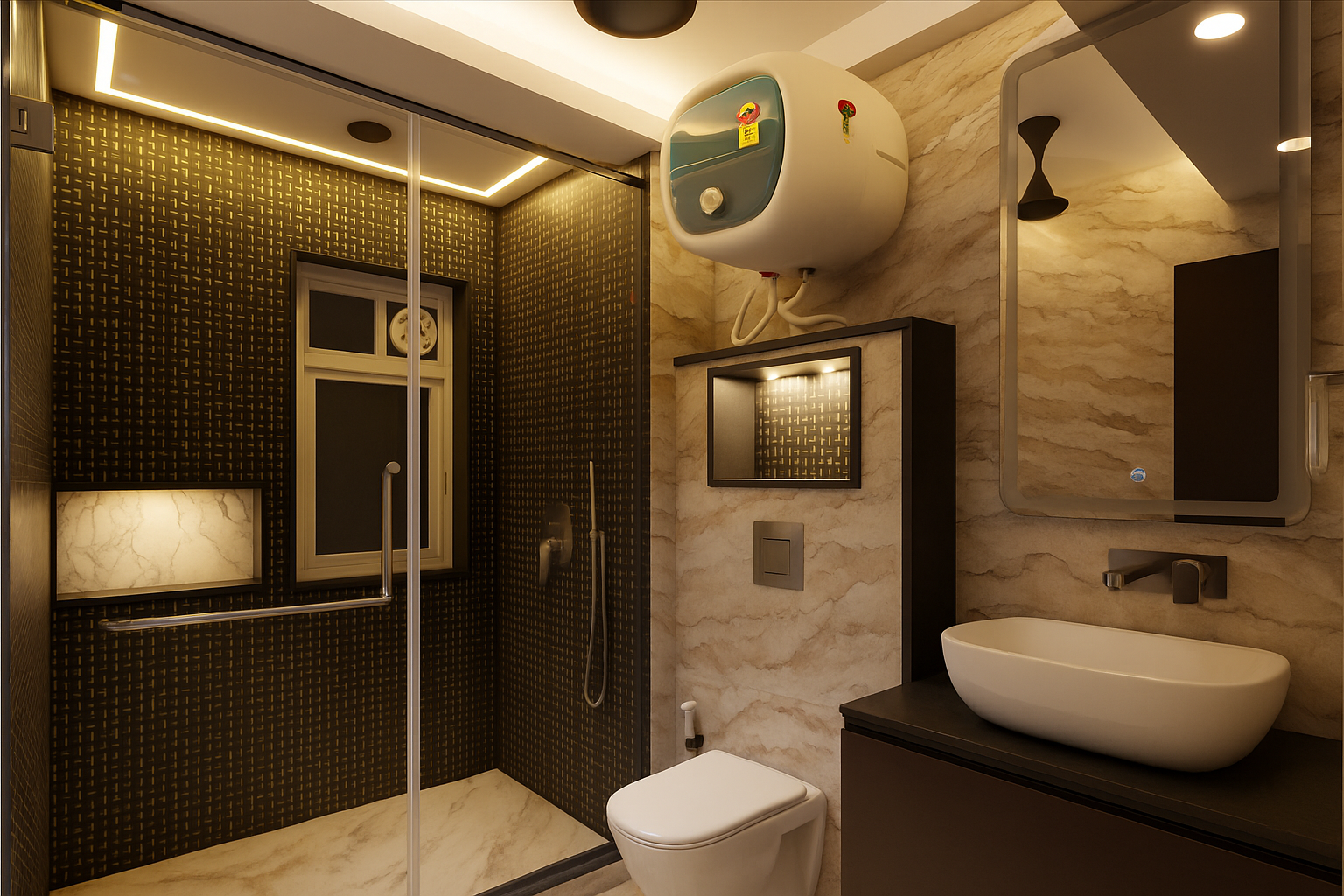
Bathroom Remodeling is one of the most impactful home improvement projects a homeowner can undertake. A well-planned renovation can improve daily comfort, enhance safety, and increase long-term property value. However, industry renovation studies consistently show that bathrooms are also among the most common spaces where homeowners experience cost overruns, construction defects, and post-project dissatisfaction.
Unlike cosmetic upgrades, bathroom renovations involve plumbing, electrical systems, ventilation, waterproofing, and structural coordination within a limited space. When any one of these elements is mishandled, the consequences can range from minor inconvenience to serious water damage and health risks. This is why understanding early warning signs—before and during the renovation process—is critical.
This guide explains the most important Bathroom Remodeling red flags every homeowner should watch for, helping you make informed, confident, and risk-aware decisions throughout your project.
Why Bathroom Remodeling Projects Carry Higher Risk

Bathrooms are high-moisture environments. According to housing and building research bodies, moisture-related failures are one of the leading causes of renovation defects in residential properties. Poor waterproofing, improper drainage, or inadequate ventilation can cause hidden damage that may not appear for months.
Another reason Bathroom Remodeling projects fail is fragmented responsibility. Multiple trades—plumbers, electricians, tilers, and carpenters—must work in coordination. When oversight is weak or planning is rushed, mistakes are more likely to occur.
Understanding these risks makes it easier to recognize red flags before they turn into expensive repairs.
Contractor-Related Red Flags Homeowners Should Never Ignore
Missing or Unverifiable Credentials
One of the clearest warning signs is when Bathroom Remodeling contractors cannot provide verifiable licenses, certifications, or insurance documentation. In most regions, bathroom renovations legally require licensed professionals due to the involvement of water and electrical systems.
Be cautious if a contractor:
Avoids sharing license numbers
Claims licensing is unnecessary for bathroom work
Cannot explain who is responsible for regulated tasks
Hiring unqualified bathroom remodelers increases the likelihood of non-compliant work and long-term safety issues.
No Established Business Identity
A reliable Bathroom Remodeling company should have a clear and traceable business presence. This typically includes a registered business name, physical address, and consistent contact information.
Red flags include:
Operating only through temporary phone numbers
No online footprint or business registration
Changing company names frequently
Consumer protection agencies note that disputes are significantly harder to resolve when contractors lack an identifiable business structure.
Pressure-Driven Decision Making
Ethical professionals understand that homeowners need time to evaluate options. High-pressure tactics are often used to rush decisions before homeowners can verify details.
Examples include:
“Limited-time” pricing without written confirmation
Urging immediate deposits
Discouraging comparison with other Bathroom Remodeling contractors
Pressure-based selling is not aligned with best-practice renovation standards.

Unclear or Overly Simplified Estimates
A transparent estimate should clearly outline labor, materials, timelines, and responsibilities. Vague pricing makes it difficult to understand where your money is going.
Watch out for:
Lump-sum quotes without itemization
Missing material specifications
No mention of permits or inspections
Reliable bathroom remodelers provide detailed documentation that supports informed decision-making.
Excessive Upfront Payment Requests
While deposits are common, large upfront payments can expose homeowners to unnecessary financial risk.
Be cautious if:
More than one-third of the total cost is requested upfront
Full payment is demanded before work begins
Payments are requested without receipts or milestones
Consumer finance guidance consistently recommends staged payments tied to completed work phases.
Lack of a Formal Written Contract
A written agreement is essential for accountability. It should define scope, timelines, costs, change procedures, and warranties.
Red flags include:
Verbal agreements only
Contracts with vague or missing terms
Refusal to document changes in writing
Many Bathroom Remodeling disputes stem from unclear or incomplete contracts.
Design and Planning Red Flags That Affect Long-Term Use

Prioritizing Appearance Over Function
Bathrooms must be designed for daily use, safety, and accessibility—not just aesthetics. Poor planning can reduce usability and comfort.
Warning signs include:
Inadequate clearance around fixtures
Ignoring accessibility or aging needs
Layouts that restrict movement
Experienced bathroom remodelers balance visual appeal with practical design principles.
Inadequate Waterproofing Planning
Waterproofing is one of the most critical components of Bathroom Remodeling. Failures in this area often remain hidden until damage is extensive.
Be cautious if:
Waterproofing systems are not clearly explained
Generic sealants are used instead of tested membranes
Water testing is skipped before final finishes
Building research consistently identifies poor waterproofing as a primary cause of bathroom renovation failure.
Ignoring Ventilation Requirements
Proper ventilation protects both structural integrity and indoor air quality. Moisture buildup can lead to mold growth and material deterioration.
Red flags include:
Treating ventilation as optional
Installing undersized exhaust systems
Failing to assess existing airflow conditions
Health and housing authorities emphasize ventilation as a core bathroom safety requirement.
Construction and Material-Related Red Flags

Use of Low-Quality or Unverified Materials
Material selection directly affects durability and maintenance. Bathrooms require moisture-resistant and certified products.
Be cautious if:
Material brands are not disclosed
Substitutions are made without approval
Non-rated products are used in wet areas
A responsible Bathroom Remodeling company prioritizes long-term performance over short-term cost savings.
Poor On-Site Work Practices
Professional conduct on-site reflects overall project quality.
Warning signs include:
Unsafe exposed wiring or plumbing
Lack of surface protection
Irregular work schedules
Consistent site management is associated with fewer defects and delays.
Avoiding Permits and Inspections
Permits ensure compliance with building and safety standards. Skipping them can create legal and insurance complications.
Red flags include:
Claims that permits are unnecessary
No inspection planning
Resistance to third-party oversight
Unpermitted Bathroom Remodeling work can affect property resale and insurance claims.
Communication Red Flags During the Project
Clear communication is essential throughout the renovation process.
Be alert if:
Timelines change without explanation
Questions go unanswered
Different team members provide conflicting information
Transparent communication is a key indicator of reliable Bathroom Remodeling contractors.
How Homeowners Can Prevent Remodeling Issues
To reduce risk and improve outcomes:
Research and verify all credentials
Demand clear documentation
Avoid rushed decisions
Stay involved throughout the project
Address concerns early and in writing
Homeowner engagement is consistently linked to higher renovation satisfaction and fewer disputes.
Final Thoughts: Making Smarter Bathroom Remodeling Decisions

Bathroom Remodeling is a major investment that deserves careful planning and informed oversight. Most renovation problems are not caused by bad luck—they result from overlooked warning signs and rushed decisions.
By understanding these red flags and applying best-practice principles, homeowners can protect their budget, safety, and peace of mind. A successful renovation is built on transparency, compliance, and thoughtful execution—not shortcuts or pressure.
When homeowners choose to work with a Bathroom Remodeling company that values clarity, accountability, and long-term performance, the renovation process becomes far more predictable and rewarding.
✨ At the end of the day, smart decisions create better spaces—and that’s the philosophy behind My Bath Space: where thoughtful planning meets reliable Bathroom Remodeling done right.
All Blogs
-

1-Day Bathroom Renovation Without Construction | QuickLift
Oct 08, 2026
-

Bathroom Design Ideas for Indian Homes: Complete 2026 Guide
Sep 30, 2026
-

Bathroom Renovation Cost in Delhi NCR 2026: Complete Price Guide
Sep 28, 2026
-
Bathroom Renovation in Delhi NCR: Complete Guide to Design, Cost, Process & Timeline
Sep 17, 2026
-

Space-Saving Small Bathroom Ideas for a Modern Makeover
Aug 31, 2026
-
Why My Bath Space Is the Go-To Bathroom Renovation Expert in Delhi
Aug 21, 2026
-
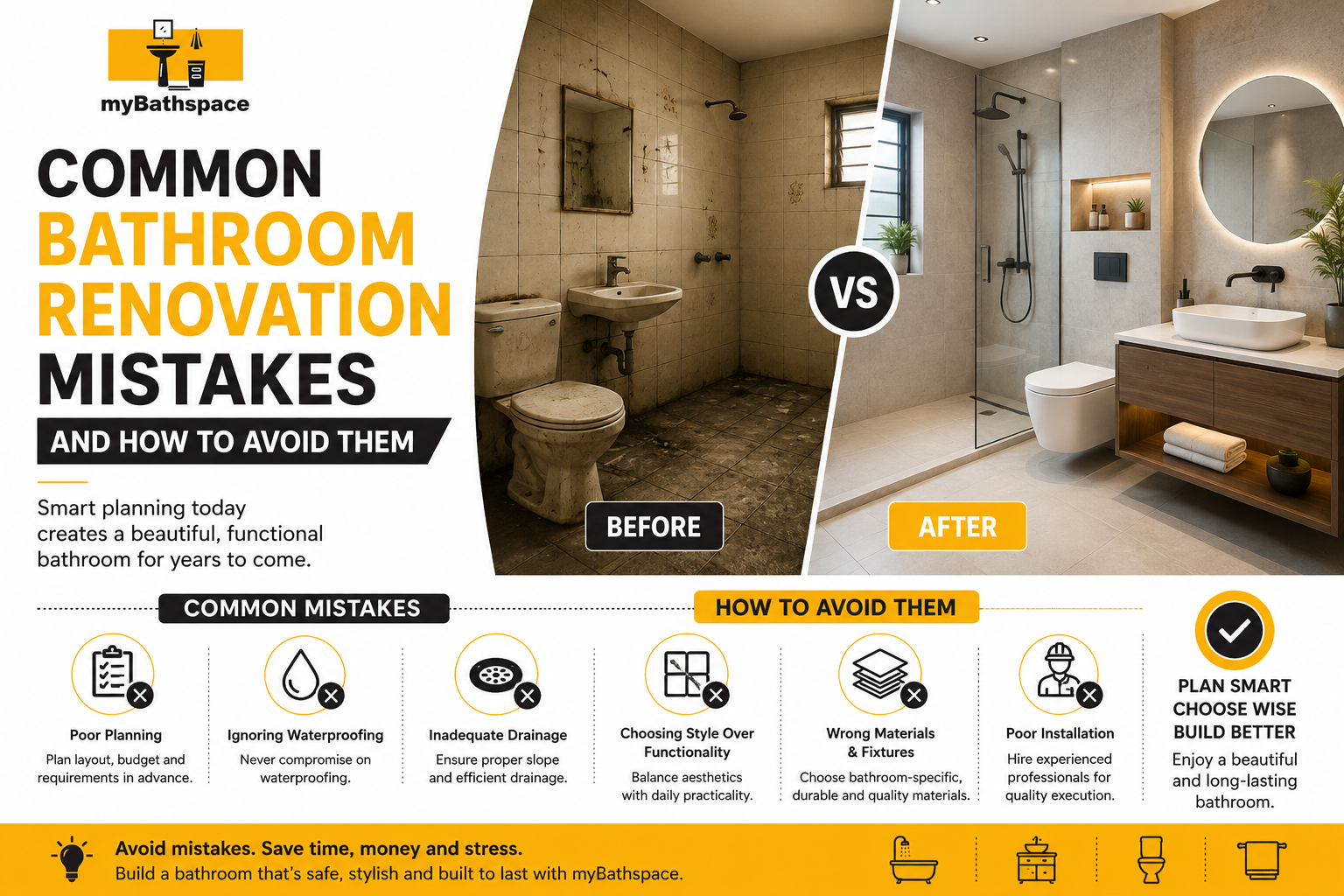
Common Bathroom Renovation Mistakes and How to Avoid Them
Aug 19, 2026
-

Small Bathroom Renovation Mistakes to Avoid: Expert Tips for a Beautiful & Functional Space
Jul 20, 2026
-
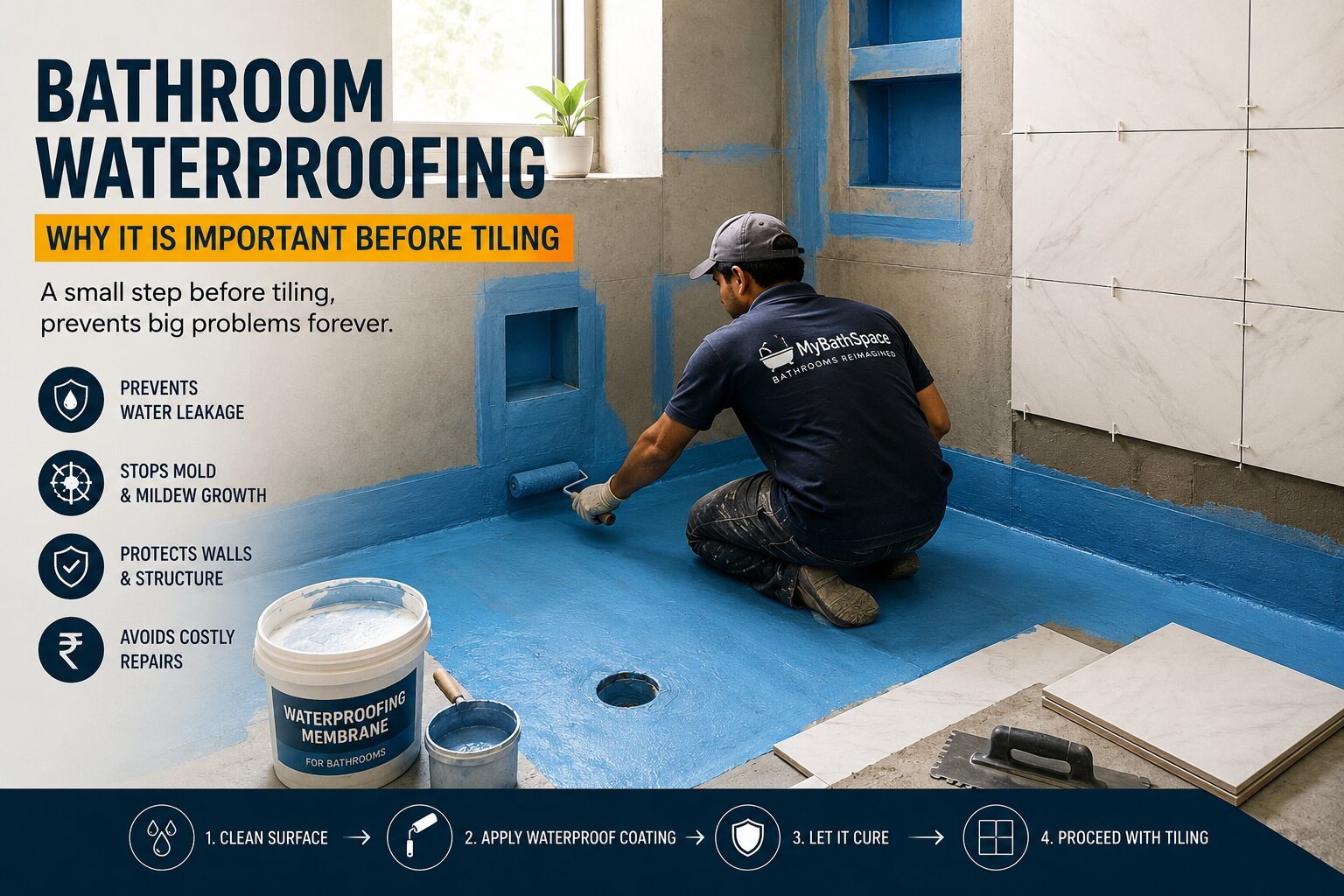
Bathroom Waterproofing: Why It Is Important Before Tiling
Jul 10, 2026
-

Top Bathroom Renovation Trends , Modern Designs and Features
Jul 02, 2026
-

Why Bathroom Renovation is Becoming Popular in Noida: Trends, Benefits, and Modern Design Ideas
Jun 18, 2026
-
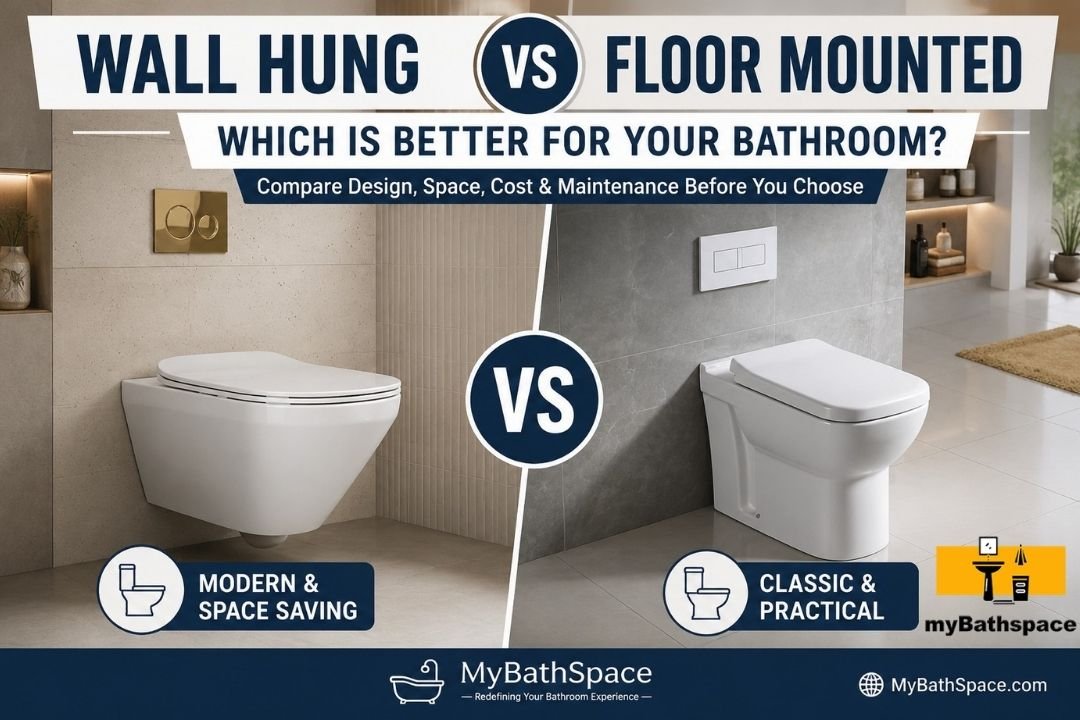
Wall Hung vs Floor Mounted Toilet: Which Is Better for Your Bathroom?
Jun 06, 2026
-
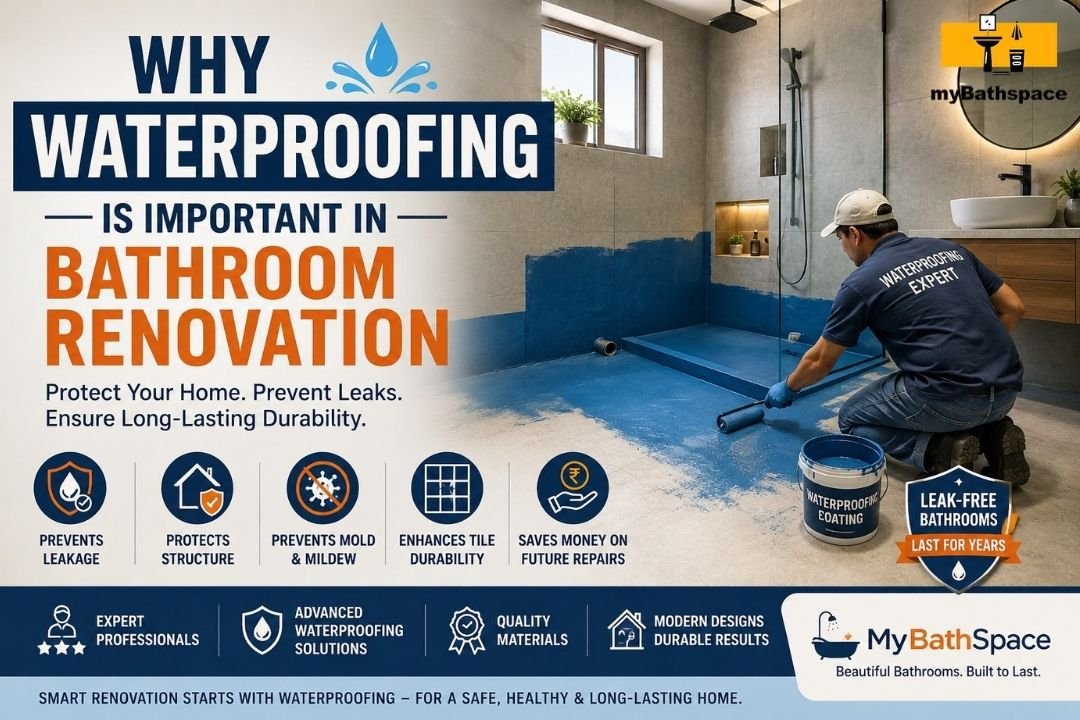
Why Waterproofing Is Important in Bathroom Renovation
May 22, 2026
-

Top Bathroom Storage Ideas for Clutter-Free Living
May 14, 2026
-
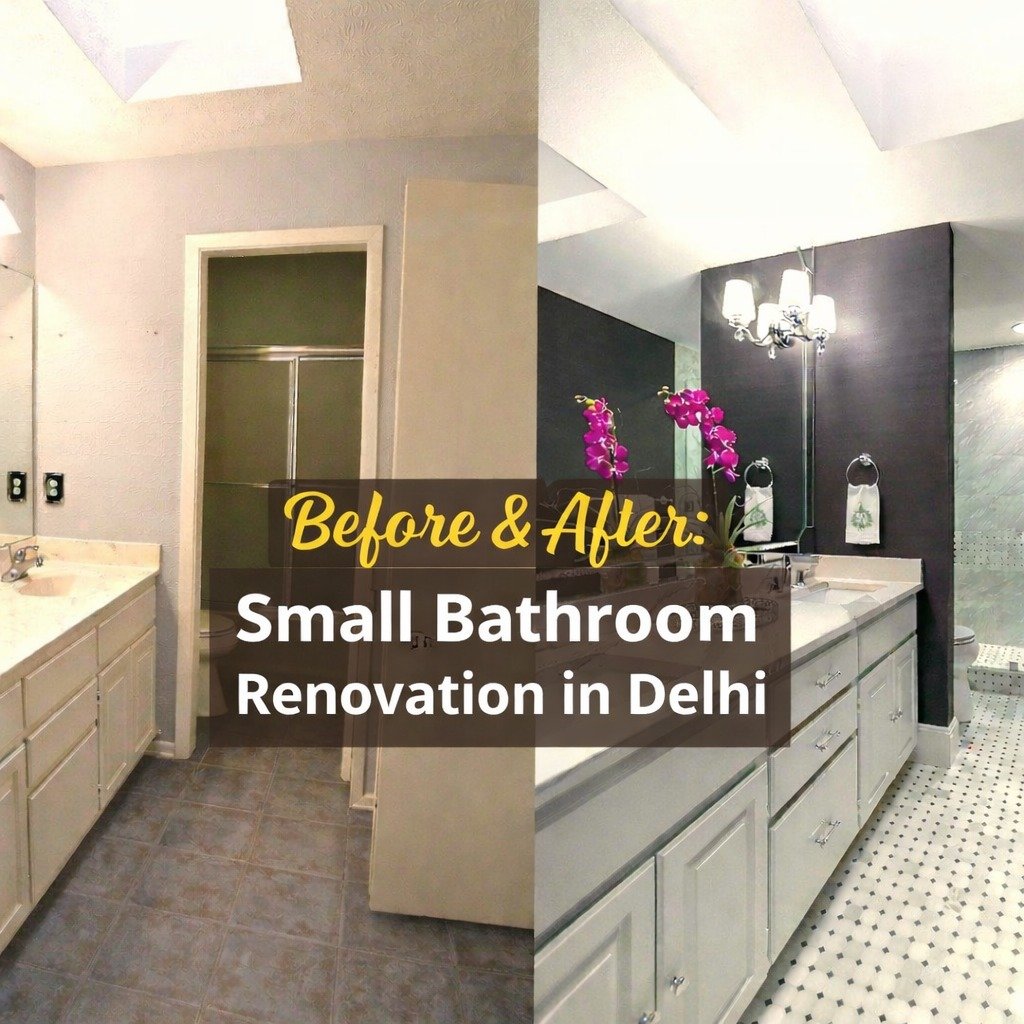
Before & After: Small Bathroom Renovation in Delhi
May 08, 2026
-
Waterproofing Mistakes to Avoid During Bathroom Renovation
Apr 06, 2026
-
Is Modular Bathroom Design Worth It in India?
Mar 30, 2026
-
What Do Designers NEVER Tell You About Bathroom Renovation?
Mar 24, 2026
-
Bathroom Renovation: Is It Worth the Investment?
Mar 21, 2026
-

DIY vs Professional Bathroom Renovation: Which Is Cheaper?
Mar 11, 2026
-
7 Bathroom Renovation Secrets Interior Designers Never Tell You
Feb 25, 2026
-
Low Budget Bathroom Design Ideas for Indian Homes
Feb 18, 2026
-
.jpeg)
Top 7 Questions to Ask Before Hiring a Bathroom Renovation Company in Delhi
Feb 13, 2026
-

Why Bathroom Renovation Costs Increase & How to Control Them
Feb 06, 2026
-
.jpeg)
Is Professional Bathroom Design Worth the Cost?
Feb 02, 2026
-
Bathroom Interior Designer in Delhi for Small Spaces: Smart Design Solutions
Jan 22, 2026
-
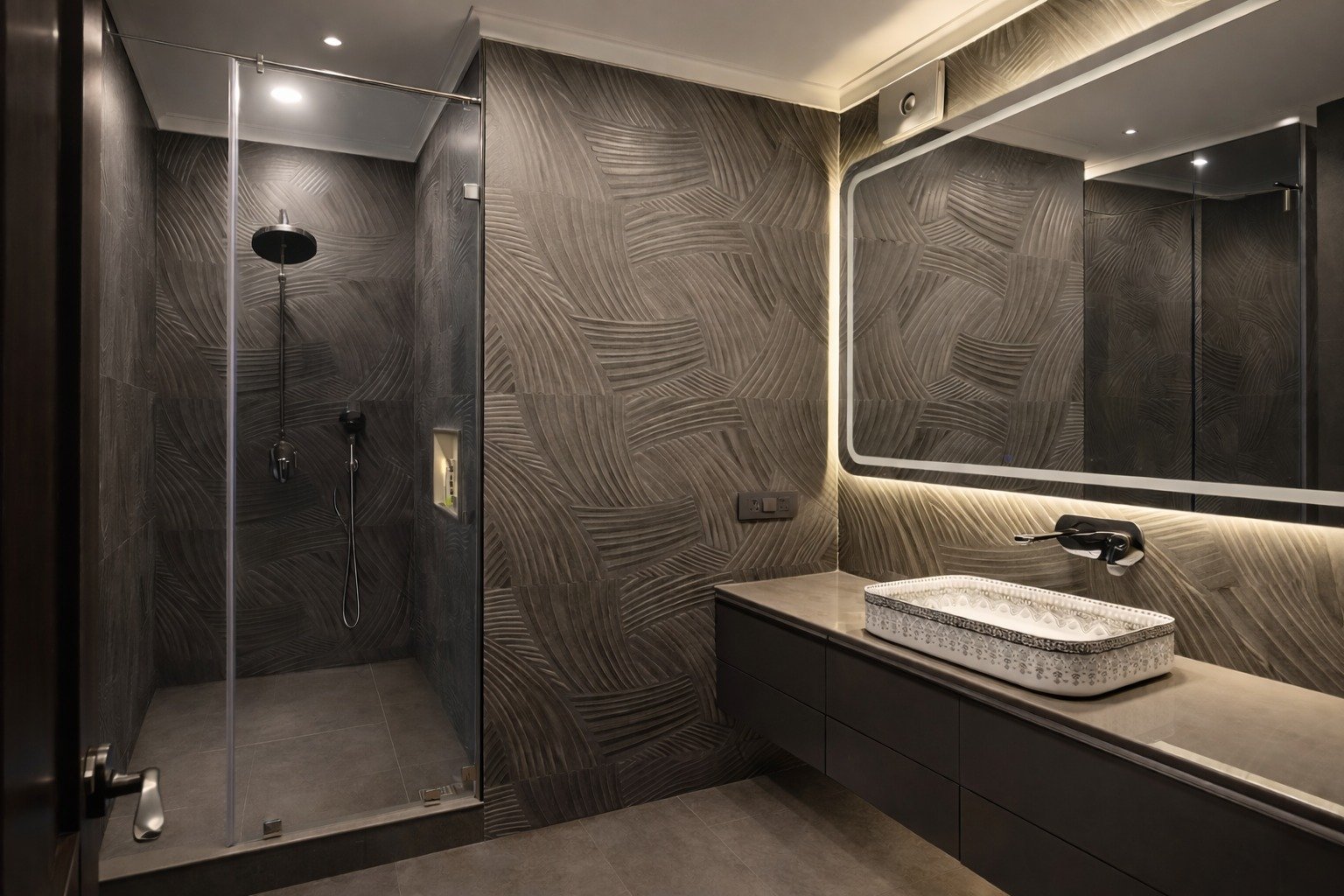
The Future of Relaxation: Top 7 Bathroom Makeover Trends to Watch in 2026
Jan 17, 2026
-
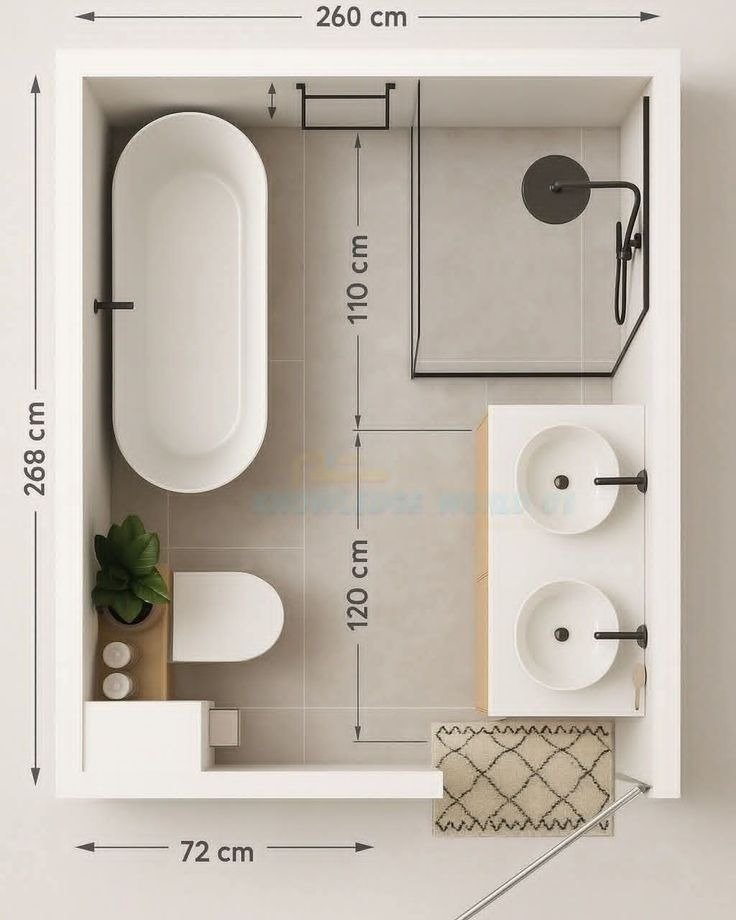
Plan Smart, Spend Right: Bathroom Renovation Cost Calculator by MyBathSpace
Jan 09, 2026
-
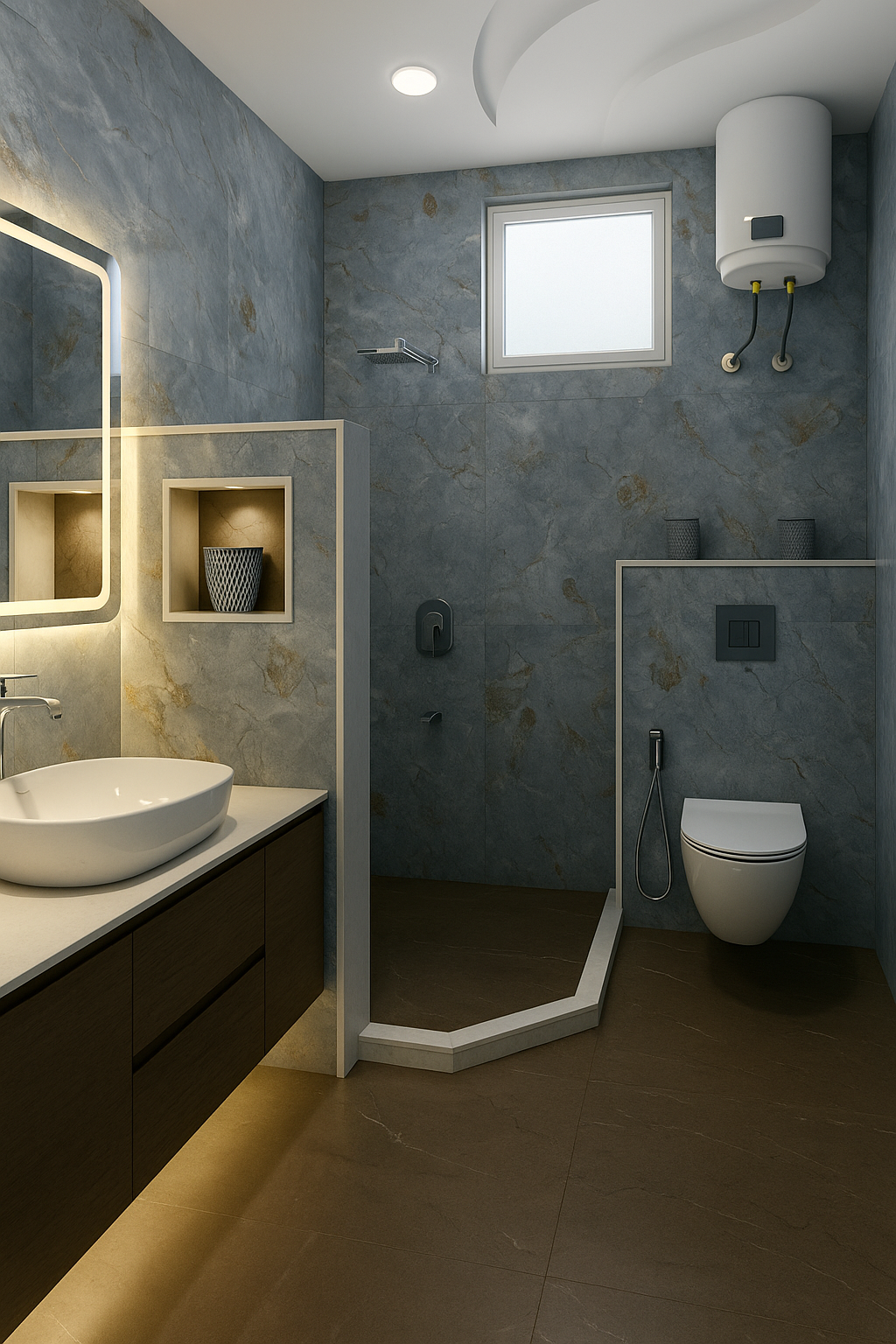
5 Ways to Make a Small Bathroom Look Expensive Without Breaking the Bank
Dec 26, 2025
-
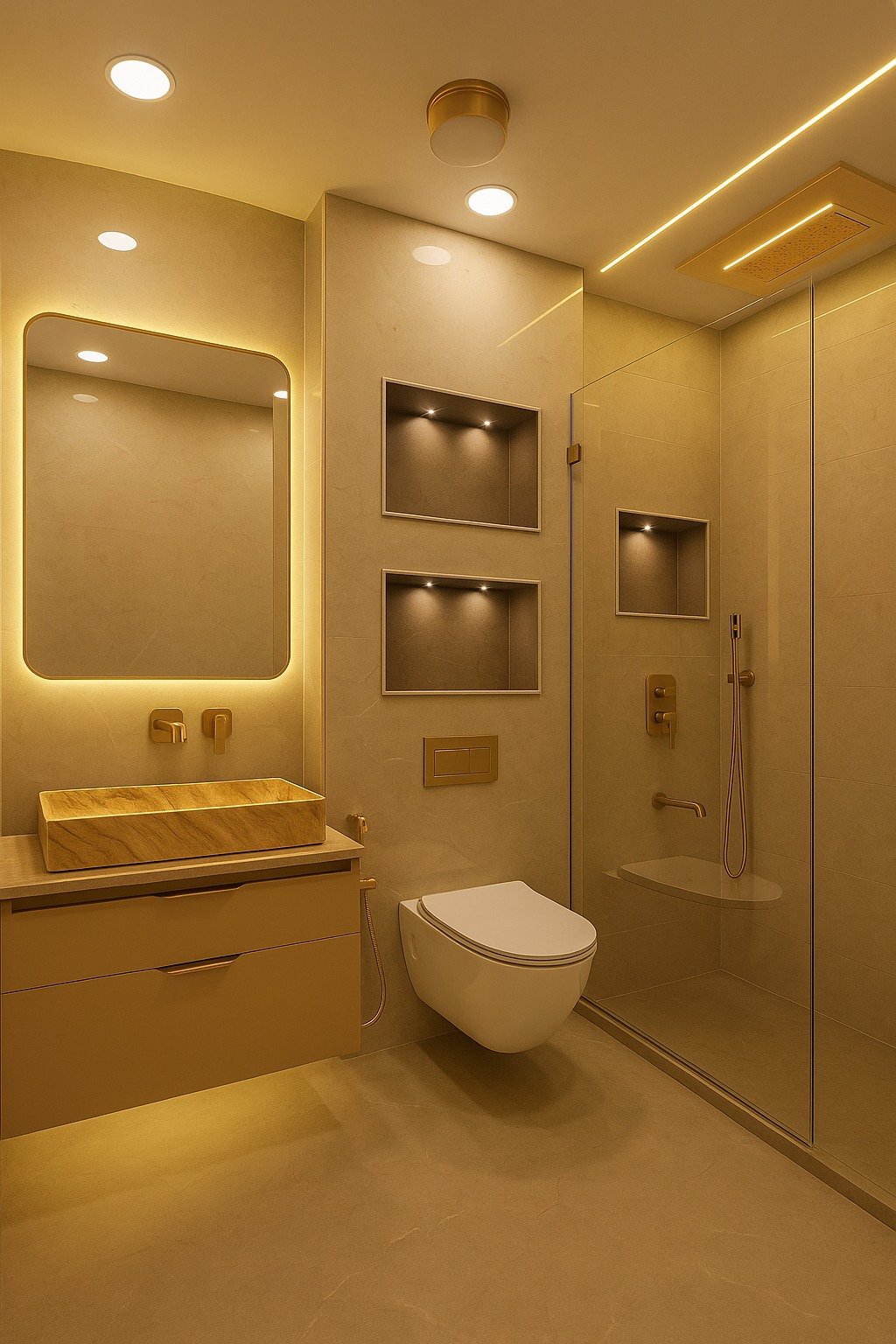
Bathroom Renovation vs New Bathroom Design: What’s Better?
Dec 20, 2025
-
Bathroom Renovation Cost in Delhi NCR (2025 Guide)
Dec 15, 2025
-
.jpeg)
Why My Bath Space Is the Go-To Bathroom Renovation Expert in Noida
Dec 02, 2025
-
.jpg)
Budget-Friendly Bathroom Design Tips to Transform Your Space
Nov 26, 2025
-
Bathroom Tile Designs for Luxury Homes: Premium Inspirations
Nov 20, 2025
-
.jpg)
Bathroom Remodel Service in Delhi NCR | Upgrade Your Bath Space
Nov 14, 2025
-
.jpg)
Best Bathroom Contractor in Delhi | Modern Remodeling Experts
Nov 10, 2025
-

Smart Small Bathroom Renovation Ideas for Modern Homes
Nov 07, 2025
-

Tales of Tiles: Crafting Bathroom Elegance One Square at a Time
Jun 11, 2025
-

Top Bathroom Renovation Services in Delhi: Why myBathspace is the Best Choice
Apr 07, 2025
-

Best bathroom remodeling contractor near me.
Mar 13, 2025
-

Choosing the Right Material for Your Bathroom Remodel
Mar 13, 2025
-

Step By Step: Planning Your Perfect Bathroom Renovation
Mar 12, 2025
-

Top Bathroom Renovation Trends in 2025: Modern Designs And Features
Mar 12, 2025
-

Small Bathroom Remodel Ideas : Maximizing Space And Style
Mar 12, 2025
-

Transform Your Home with a Bathroom Renovation
Mar 12, 2025
Recent Blogs
-
1-Day Bathroom Renovation Without Construction | QuickLift
-
Bathroom Design Ideas for Indian Homes: Complete 2026 Guide
-
Bathroom Renovation Cost in Delhi NCR 2026: Complete Price Guide
-
Bathroom Renovation in Delhi NCR: Complete Guide to Design, Cost, Process & Timeline
-
Space-Saving Small Bathroom Ideas for a Modern Makeover
-
Why My Bath Space Is the Go-To Bathroom Renovation Expert in Delhi
-
Common Bathroom Renovation Mistakes and How to Avoid Them
-
Small Bathroom Renovation Mistakes to Avoid: Expert Tips for a Beautiful & Functional Space
-
Bathroom Waterproofing: Why It Is Important Before Tiling
-
Top Bathroom Renovation Trends , Modern Designs and Features
-
Why Bathroom Renovation is Becoming Popular in Noida: Trends, Benefits, and Modern Design Ideas
-
Wall Hung vs Floor Mounted Toilet: Which Is Better for Your Bathroom?
-
Why Waterproofing Is Important in Bathroom Renovation
-
Top Bathroom Storage Ideas for Clutter-Free Living
-
Before & After: Small Bathroom Renovation in Delhi
-
Waterproofing Mistakes to Avoid During Bathroom Renovation
-
Is Modular Bathroom Design Worth It in India?
-
What Do Designers NEVER Tell You About Bathroom Renovation?
-
Bathroom Renovation: Is It Worth the Investment?
-
DIY vs Professional Bathroom Renovation: Which Is Cheaper?
-
7 Bathroom Renovation Secrets Interior Designers Never Tell You
-
Low Budget Bathroom Design Ideas for Indian Homes
-
Top 7 Questions to Ask Before Hiring a Bathroom Renovation Company in Delhi
-
Why Bathroom Renovation Costs Increase & How to Control Them
-
Is Professional Bathroom Design Worth the Cost?
-
Bathroom Interior Designer in Delhi for Small Spaces: Smart Design Solutions
-
The Future of Relaxation: Top 7 Bathroom Makeover Trends to Watch in 2026
-
Plan Smart, Spend Right: Bathroom Renovation Cost Calculator by MyBathSpace
-
5 Ways to Make a Small Bathroom Look Expensive Without Breaking the Bank
-
Bathroom Renovation vs New Bathroom Design: What’s Better?
-
Bathroom Renovation Cost in Delhi NCR (2025 Guide)
-
Why My Bath Space Is the Go-To Bathroom Renovation Expert in Noida
-
Budget-Friendly Bathroom Design Tips to Transform Your Space
-
Bathroom Tile Designs for Luxury Homes: Premium Inspirations
-
Bathroom Remodel Service in Delhi NCR | Upgrade Your Bath Space
-
Best Bathroom Contractor in Delhi | Modern Remodeling Experts
-
Smart Small Bathroom Renovation Ideas for Modern Homes
-
Tales of Tiles: Crafting Bathroom Elegance One Square at a Time
-
Top Bathroom Renovation Services in Delhi: Why myBathspace is the Best Choice
-
Best bathroom remodeling contractor near me.
-
Choosing the Right Material for Your Bathroom Remodel
-
Step By Step: Planning Your Perfect Bathroom Renovation
-
Top Bathroom Renovation Trends in 2025: Modern Designs And Features
-
Small Bathroom Remodel Ideas : Maximizing Space And Style
-
Transform Your Home with a Bathroom Renovation