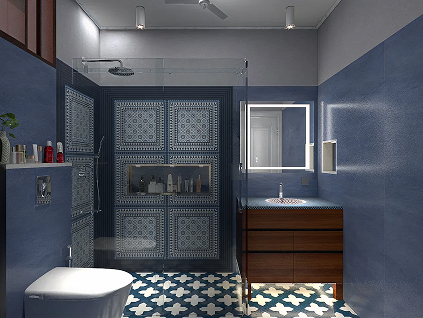
EXPERT ADVISE
Bathroom Interior Designer in Delhi for Small Spaces: Smart Design Solutions
January 22, 2026
Introduction
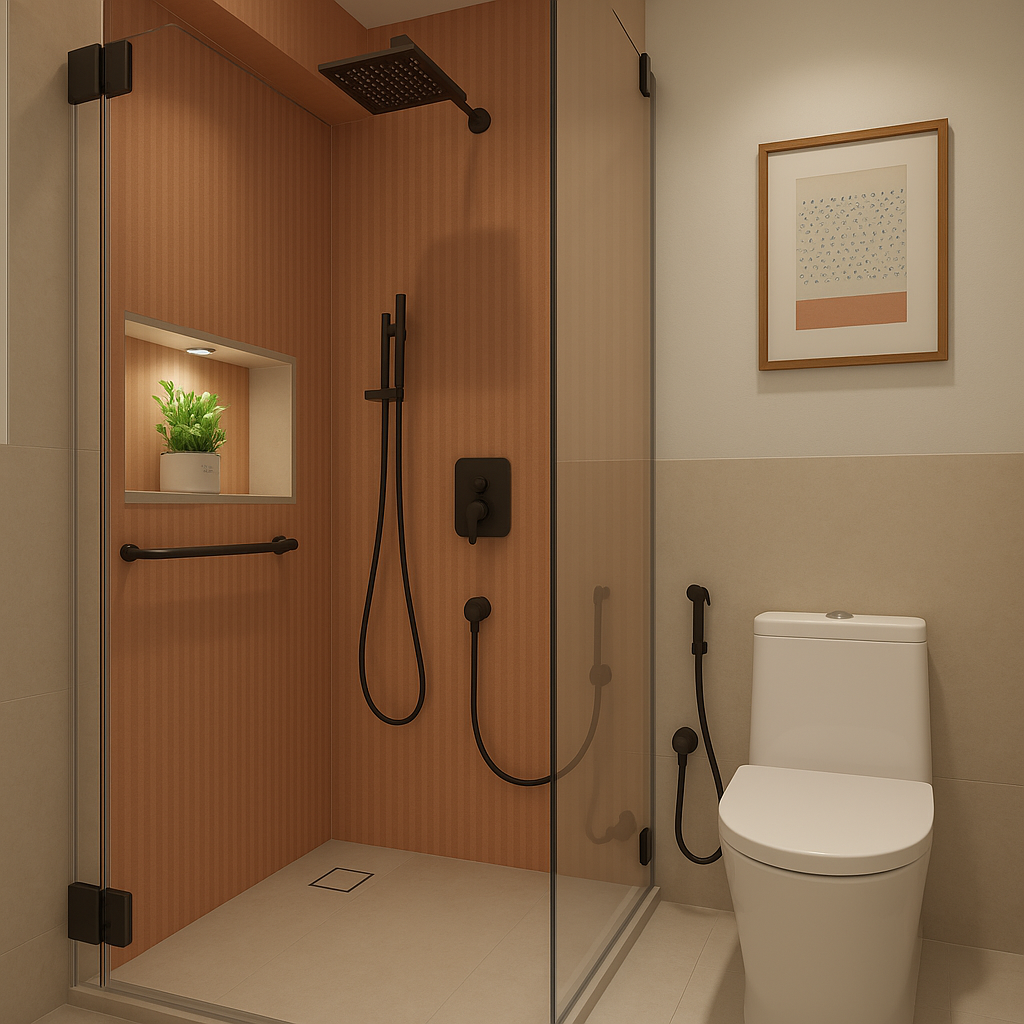
Urban living in cities like Delhi has undergone a significant transformation over the last two decades. Rising population density, vertical housing, and increasing real estate prices have resulted in smaller residential units, particularly in apartments and builder floors. One of the most affected areas in such homes is the bathroom. Limited square footage, combined with high daily usage, makes bathroom planning a complex design challenge.
In this context, the role of a bathroom interior designer becomes especially important. Designing a small bathroom is not simply about fitting fixtures into a tight space; it requires technical knowledge, ergonomic planning, material expertise, and a clear understanding of user behavior. This article explores evidence-based design solutions, practical planning principles, and expert insights for small bathroom spaces in Delhi, while referencing industry-aligned practices followed by design-focused firms such as MY BATH SPACE.
The Reality of Small Bathrooms in Delhi Homes
Urban Housing Trends and Space Constraints
According to housing data published by the Ministry of Housing and Urban Affairs, average apartment sizes in Indian metropolitan areas have decreased steadily over the years. In Delhi NCR, many modern apartments feature bathrooms measuring between 25 and 45 square feet. Older constructions may have even smaller layouts with poor ventilation and outdated plumbing systems.
These constraints often lead to:
Congested layouts
Inadequate storage
Poor water drainage
Limited accessibility
Faster wear and tear
Without expert intervention, these issues can significantly reduce comfort and long-term usability.
Why a Bathroom Interior Designer Is Essential for Small Spaces

Beyond Aesthetics: Functional Design Expertise
A professional bathroom interior designer focuses on functionality, safety, and durability, especially in compact spaces. Their role typically includes:
Optimizing layouts using ergonomic standards
Ensuring compliance with plumbing and electrical safety codes
Selecting moisture-resistant materials
Planning lighting and ventilation
Reducing long-term maintenance risks
In small bathrooms, even minor miscalculations—such as incorrect fixture placement or poor slope planning—can lead to daily inconvenience and costly repairs.
Key Principles of Small Bathroom Design
Smart Layout Planning
Effective small bathroom design begins with layout optimization. According to ergonomic design guidelines, a minimum circulation space of 750–900 mm is recommended for comfortable movement. Designers often achieve this through:
Wall-mounted toilets and vanities
Linear or corner-based layouts
Sliding or pocket doors instead of swing doors
These solutions allow better use of available floor area without compromising comfort.
Vertical Space Utilization
One of the most underused assets in compact bathrooms is vertical space. Studies in residential interior planning suggest that vertical storage can increase functional capacity by up to 40% without expanding the footprint.
Examples include:
Tall storage cabinets
Recessed wall niches
Mirror cabinets with concealed shelving
Such strategies are commonly recommended by experienced professionals handling small bathroom design projects in dense urban homes.
Lighting and Visual Expansion Techniques
How Lighting Impacts Perceived Space
Lighting plays a critical role in how a space is perceived. Architectural lighting research confirms that evenly distributed light reduces visual clutter and creates an illusion of openness.
Effective lighting strategies include:
Layered lighting (ambient + task lighting)
LED strip lighting under vanities
Backlit mirrors for shadow-free visibility
Well-planned lighting is a key element in modern bathroom design ideas aimed at enhancing both functionality and aesthetics.
Material Selection for Longevity and Hygiene
Moisture-Resistant Materials for Small Bathrooms
Bathrooms are high-moisture zones, and material failure is one of the most common renovation complaints. The Central Building Research Institute (CBRI) recommends materials with low water absorption and high resistance to fungal growth.
Preferred materials include:
Porcelain or vitrified tiles
Anti-skid flooring tiles
Waterproof plywood or PVC cabinetry
Quartz or solid-surface countertops
A knowledgeable bathroom interior designer evaluates materials not only for appearance but also for long-term performance in compact environments.
Storage Solutions That Reduce Clutter
Functional Storage Without Overcrowding
Clutter is a major problem in small bathrooms. Research in residential ergonomics indicates that organized storage improves usability and reduces daily stress.
Smart storage approaches include:
Drawer-based vanity units
Built-in wall niches for toiletries
Under-sink storage with waterproof finishes
Such practical bathroom design ideas allow homeowners to maintain cleanliness without sacrificing space.
Ventilation and Indoor Air Quality
Why Ventilation Is Critical in Small Bathrooms
According to the National Building Code of India, bathrooms must have adequate ventilation to prevent moisture buildup. Poor ventilation is directly linked to mold growth, which can affect indoor air quality and surface durability.
Best practices include:
Exhaust fans with humidity sensors
Natural ventilation through ventilators or windows
Mold-resistant wall coatings
Proper ventilation planning is a core responsibility of any professional handling small bathroom design projects.
Safety and Accessibility Considerations
Designing for All Age Groups
Bathrooms are among the most accident-prone areas in a home. Studies on residential safety highlight the importance of slip-resistant surfaces and ergonomic fixture placement.
Recommended safety measures:
Anti-skid flooring
Grab bars near toilets and showers
Adequate lighting in wet zones
An experienced bathroom interior designer integrates these features seamlessly without making the space feel clinical or overcrowded.
Sustainable and Water-Efficient Bathroom Design

Addressing Water Scarcity Through Design
Delhi faces increasing water stress, making water-efficient bathroom planning essential. Government data suggests that low-flow fixtures can reduce water consumption by 30–50%.
Sustainable bathroom design ideas include:
Low-flow faucets and showers
Dual-flush toilet systems
Water-efficient aerators
Responsible design choices not only reduce environmental impact but also lower long-term utility costs.
Common Mistakes in Small Bathroom Renovations
Despite good intentions, many homeowners make avoidable mistakes during renovations, such as:
Choosing oversized fixtures
Ignoring waterproofing layers
Overusing dark colors in compact spaces
Prioritizing aesthetics over usability
A professional bathroom renovation company helps mitigate these risks through structured planning and technical oversight.
Long-Term Value of Professional Bathroom Design
Impact on Property Value and Usability
Real estate studies indicate that well-designed bathrooms can improve property value by 5–10%, particularly in urban markets. Beyond resale value, professional design enhances daily comfort and reduces maintenance issues.
Engaging a reliable bathroom renovation company ensures:
Code compliance
Durable material selection
Timeless design choices
MY BATH SPACE and Design-Led Bathroom Planning
MY BATH SPACE follows a design-first approach that emphasizes functionality, material performance, and user comfort. Rather than focusing on trends, the brand aligns its work with practical planning principles relevant to urban homes.
By applying structured design methodologies, MY BATH SPACE reflects how thoughtful planning supports efficient small bathroom design while maintaining visual balance and durability.
Best Practices for Homeowners Planning a Bathroom Upgrade
Before starting a renovation, homeowners should:
Assess daily usage patterns
Identify storage requirements
Set realistic budgets for quality materials
Consult a qualified bathroom interior designer early
Early planning reduces design revisions and improves overall satisfaction.
Conclusion
Designing a bathroom in a compact Delhi home requires a careful balance of space planning, material knowledge, safety considerations, and long-term usability. A skilled bathroom interior designer applies smart design solutions that address these challenges through evidence-based strategies and user-centric planning.
By incorporating practical bathroom design ideas, focusing on efficient small bathroom design, and working with an experienced bathroom renovation company, homeowners can transform limited spaces into functional, hygienic, and comfortable environments.
As urban living continues to evolve, design-driven approaches—such as those reflected in the planning philosophy of MY BATH SPACE—enable homeowners to make informed, confident decisions that enhance both daily living and long-term value.
All Blogs
-
Bathroom Renovation Cost in Noida 2026: Complete Price Breakdown, Budget Planning and Expert Tips
Oct 13, 2026
-

1-Day Bathroom Renovation Without Construction | QuickLift
Oct 08, 2026
-
Bathroom Design Ideas for Indian Homes: Complete 2026 Guide
Sep 30, 2026
-

Bathroom Renovation Cost in Delhi NCR 2026: Complete Price Guide
Sep 28, 2026
-
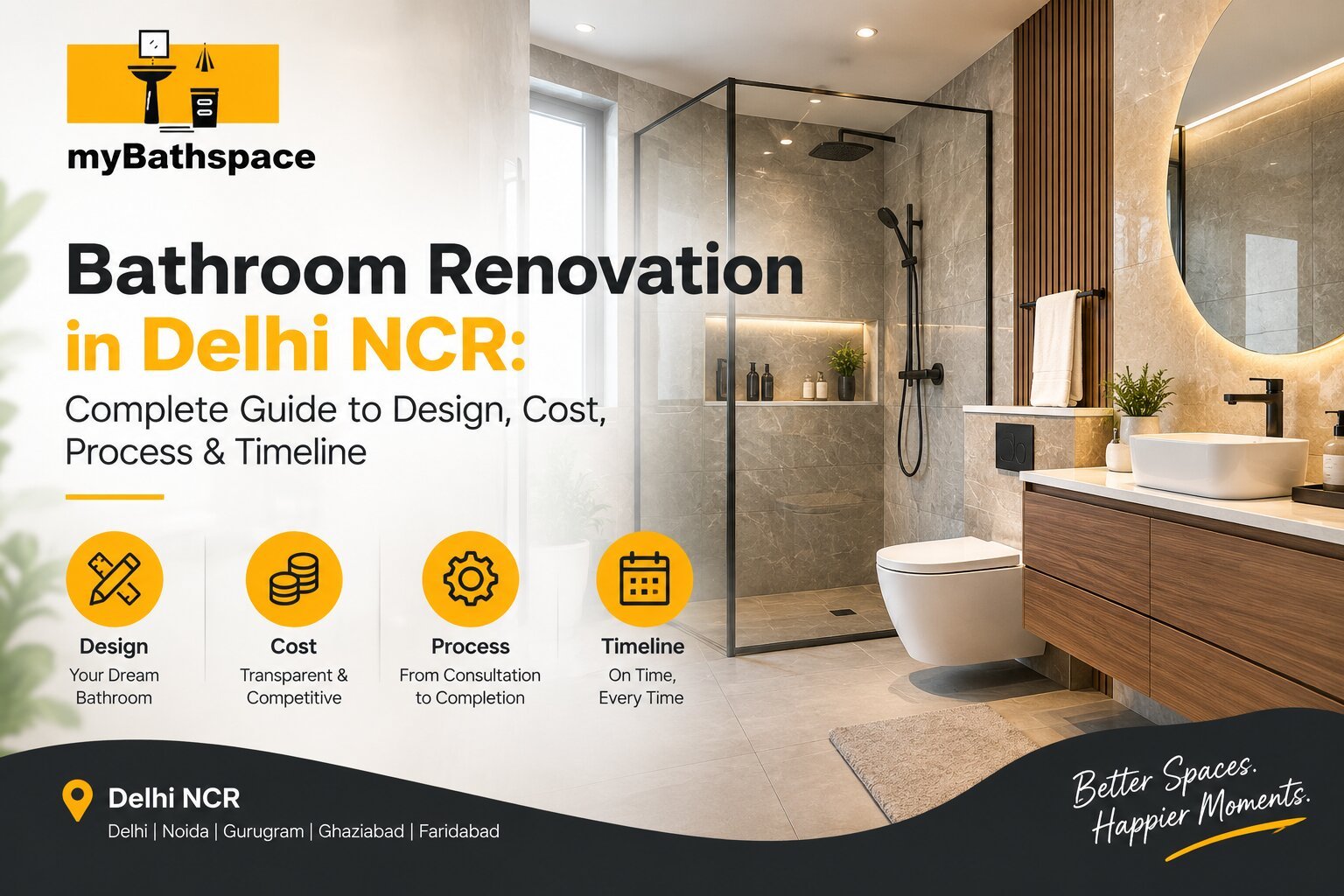
Bathroom Renovation in Delhi NCR: Complete Guide to Design, Cost, Process & Timeline
Sep 17, 2026
-
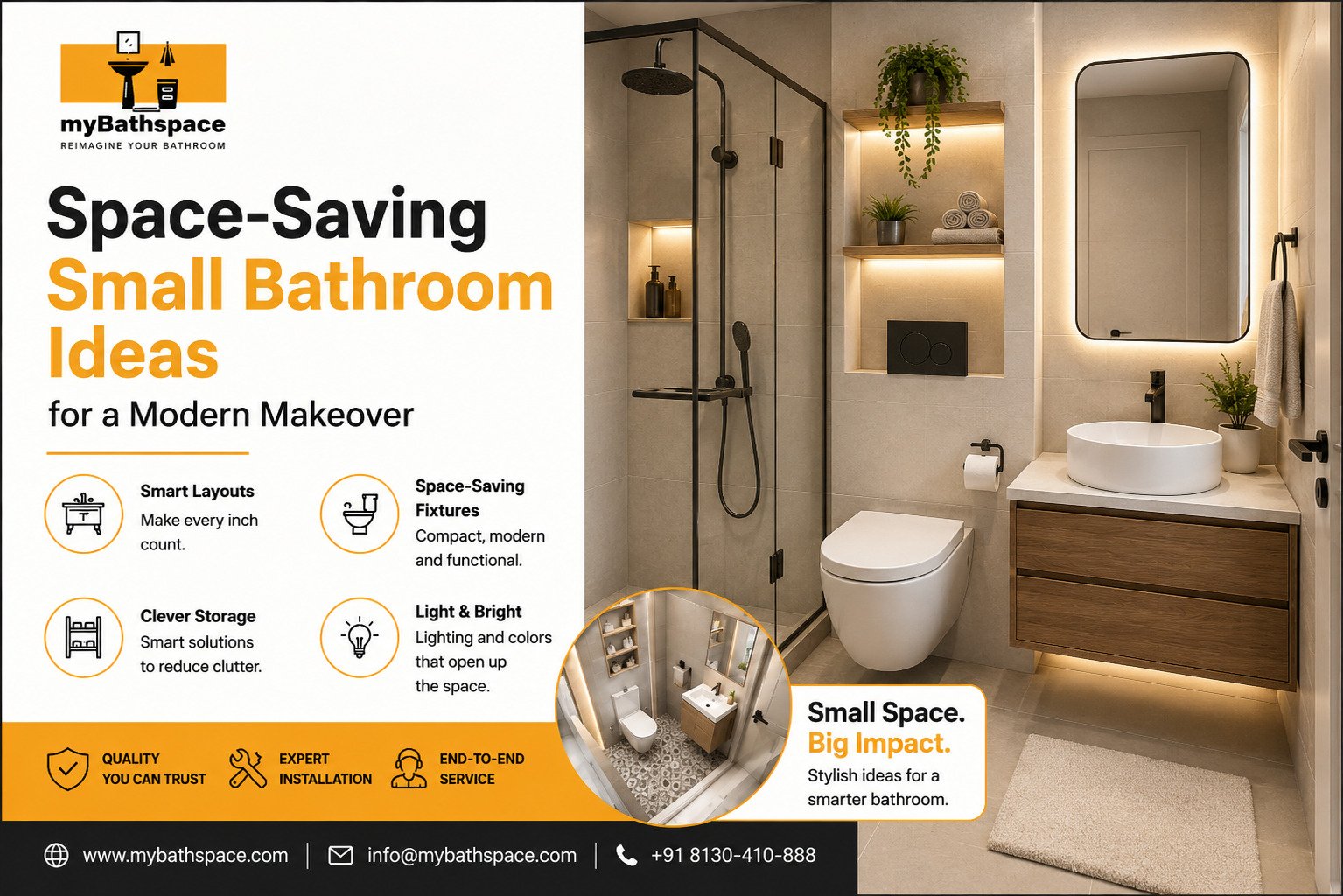
Space-Saving Small Bathroom Ideas for a Modern Makeover
Aug 31, 2026
-
Why My Bath Space Is the Go-To Bathroom Renovation Expert in Delhi
Aug 21, 2026
-
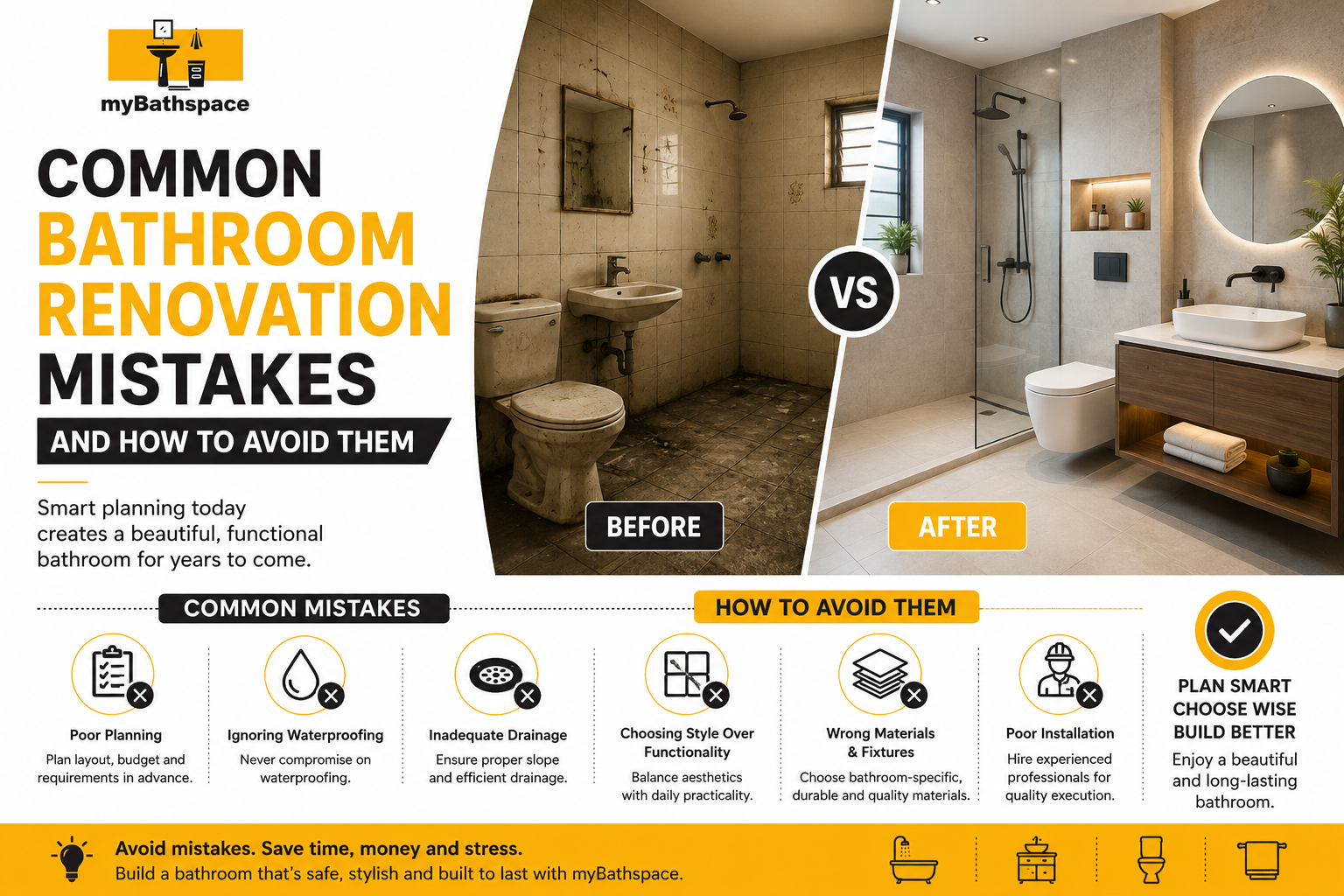
Common Bathroom Renovation Mistakes and How to Avoid Them
Aug 19, 2026
-
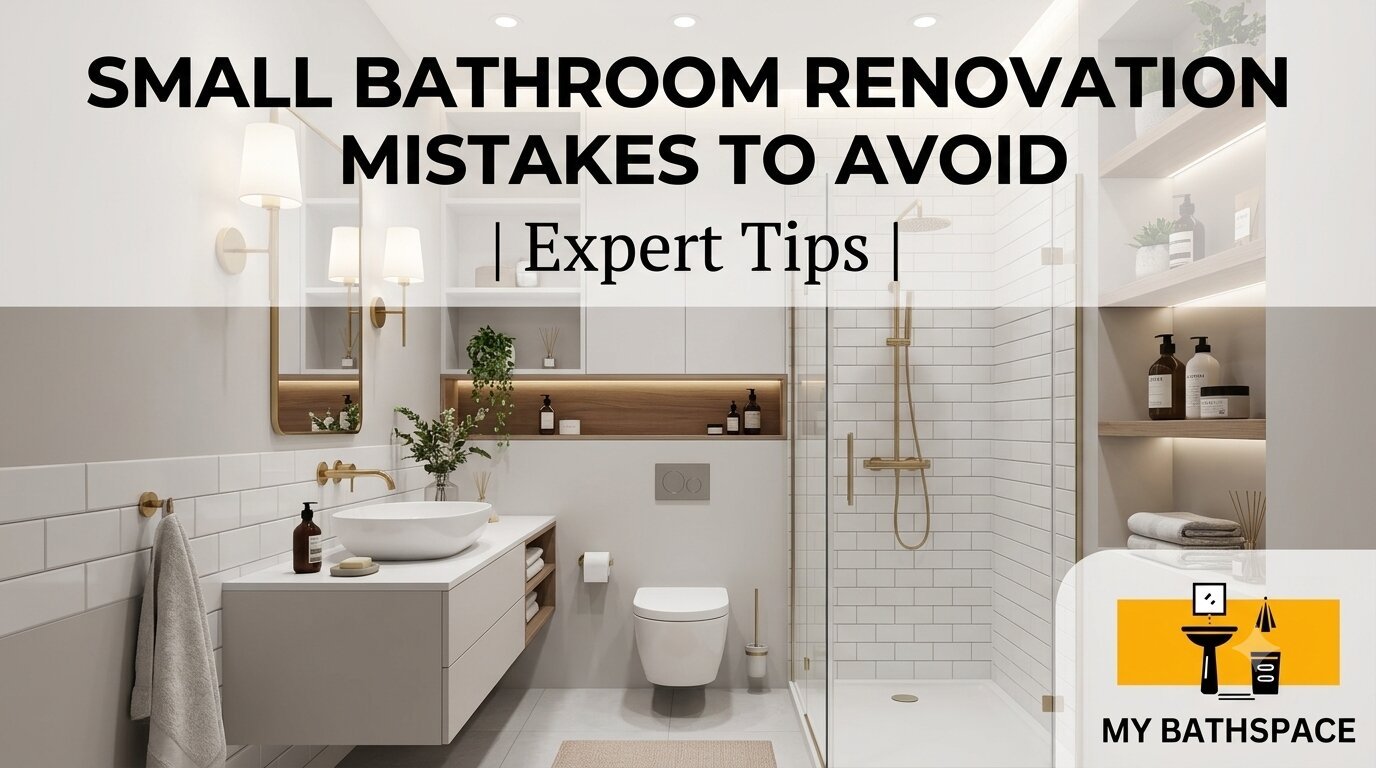
Small Bathroom Renovation Mistakes to Avoid: Expert Tips for a Beautiful & Functional Space
Jul 20, 2026
-
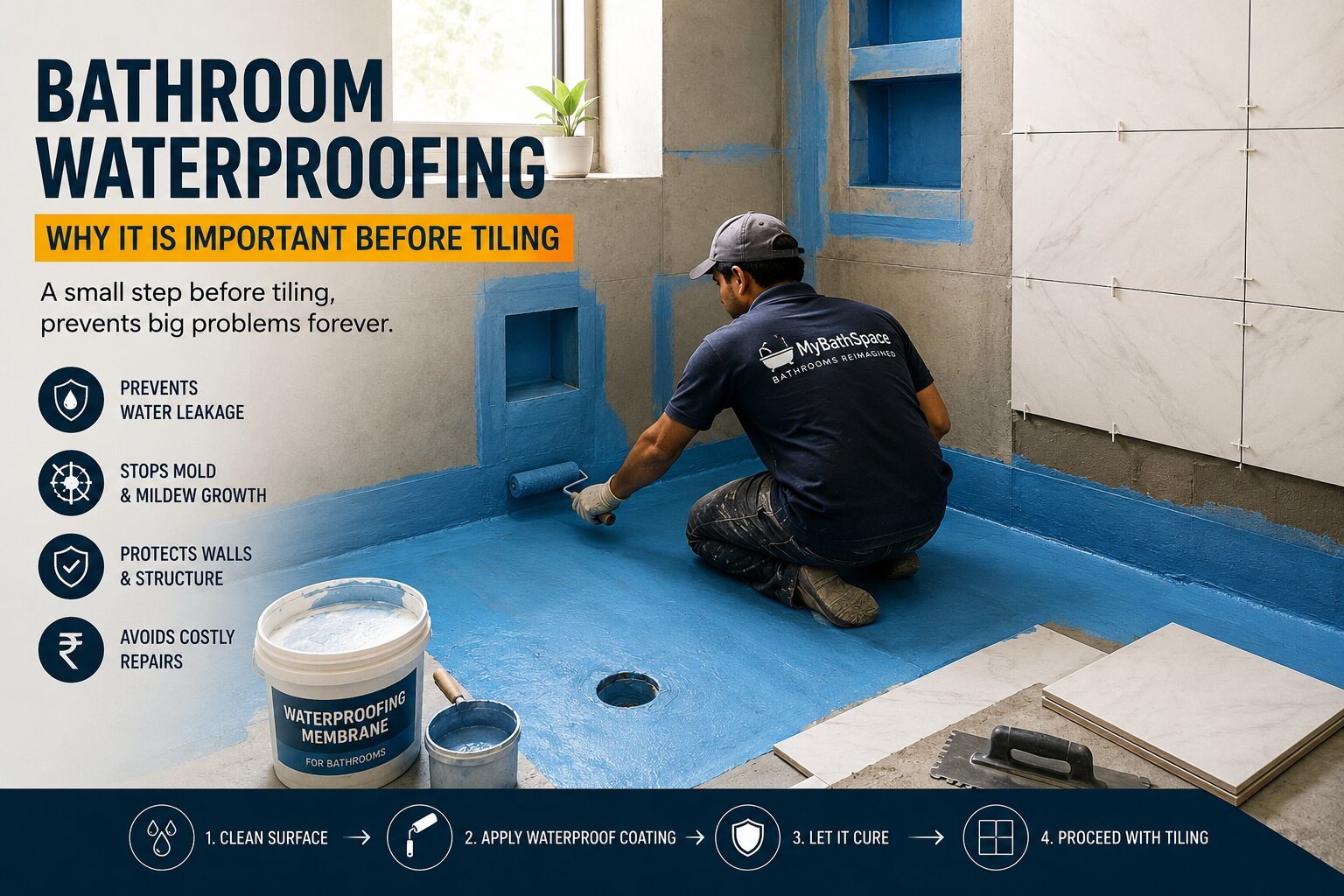
Bathroom Waterproofing: Why It Is Important Before Tiling
Jul 10, 2026
-
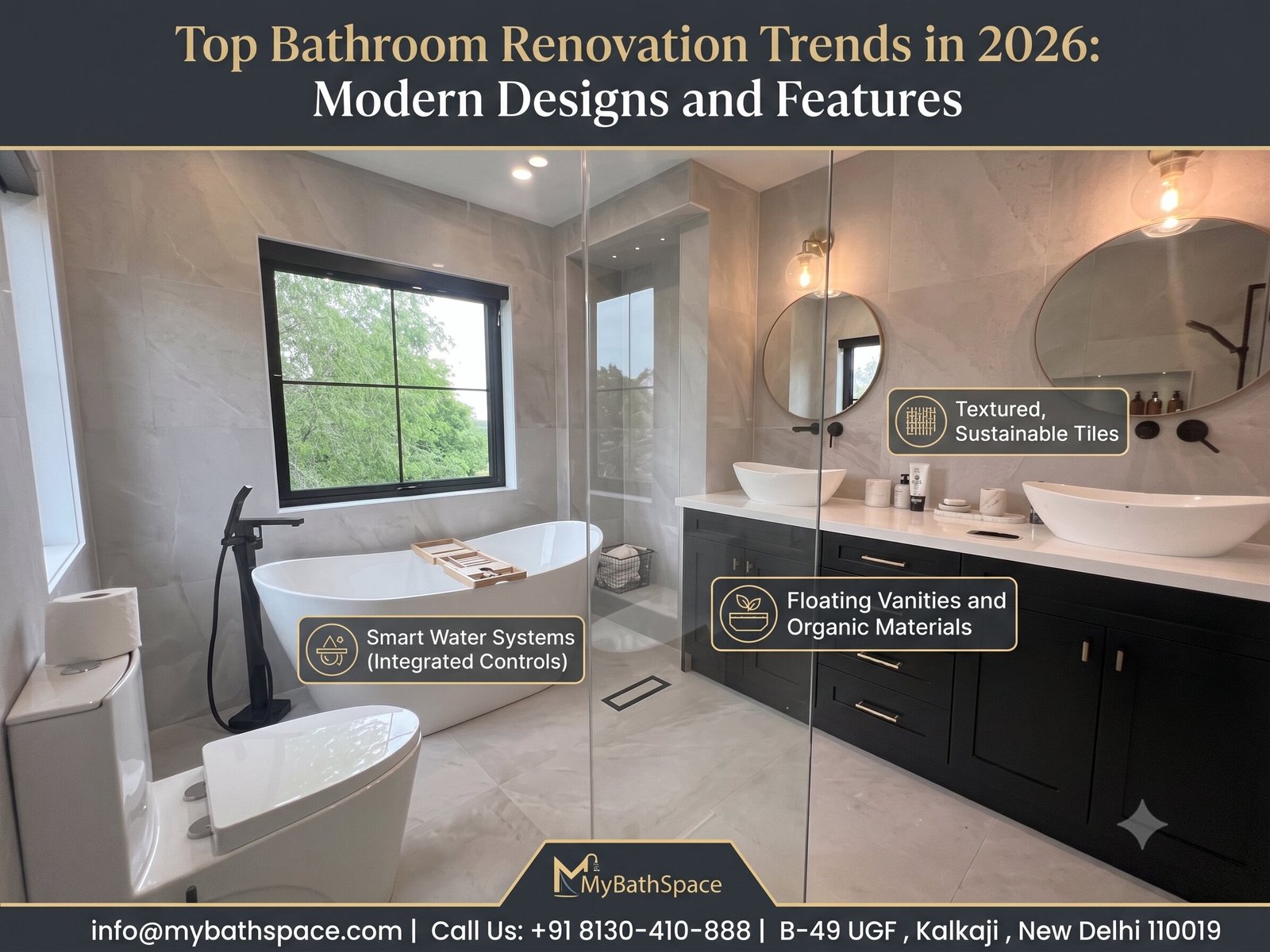
Top Bathroom Renovation Trends , Modern Designs and Features
Jul 02, 2026
-
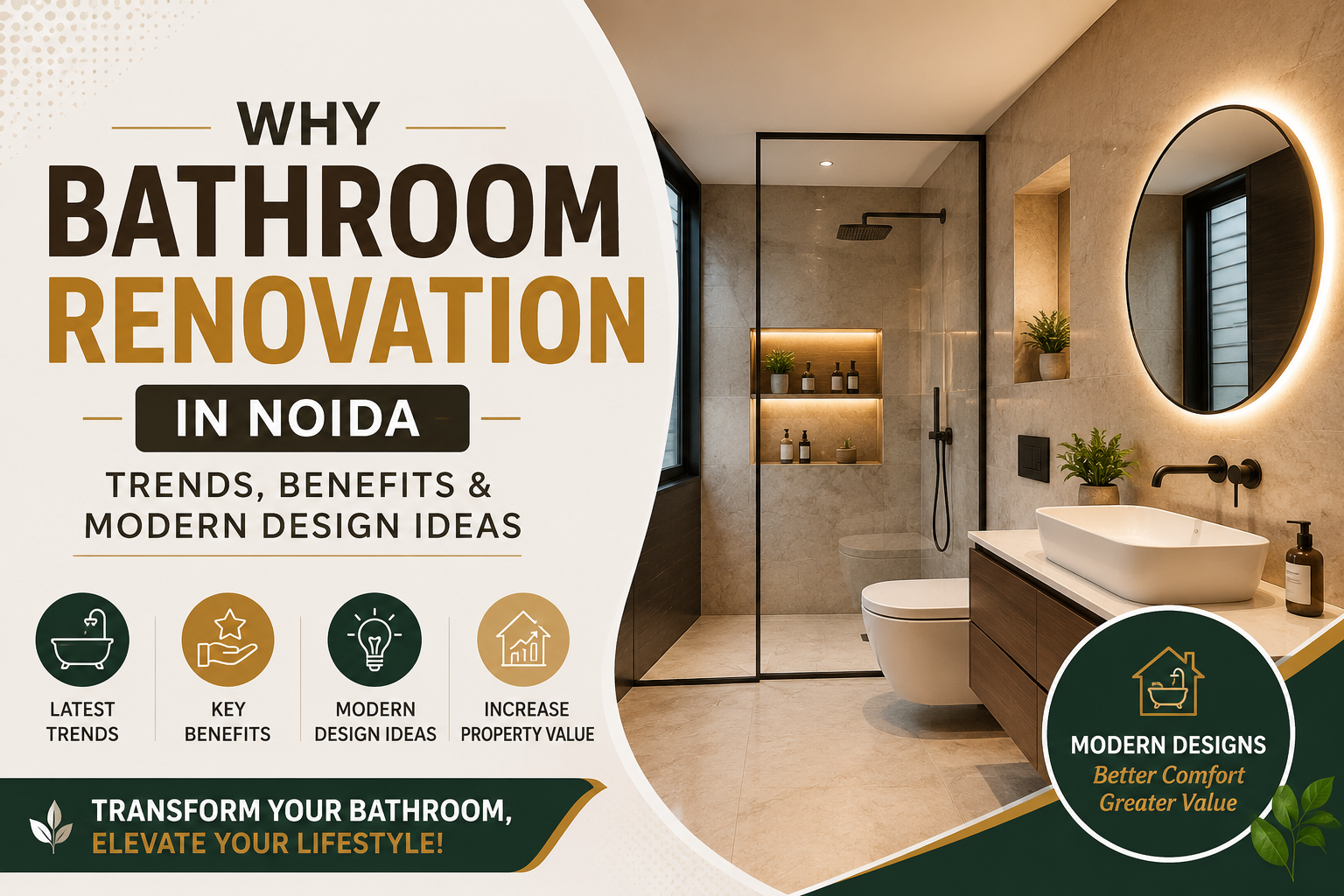
Why Bathroom Renovation is Becoming Popular in Noida: Trends, Benefits, and Modern Design Ideas
Jun 18, 2026
-
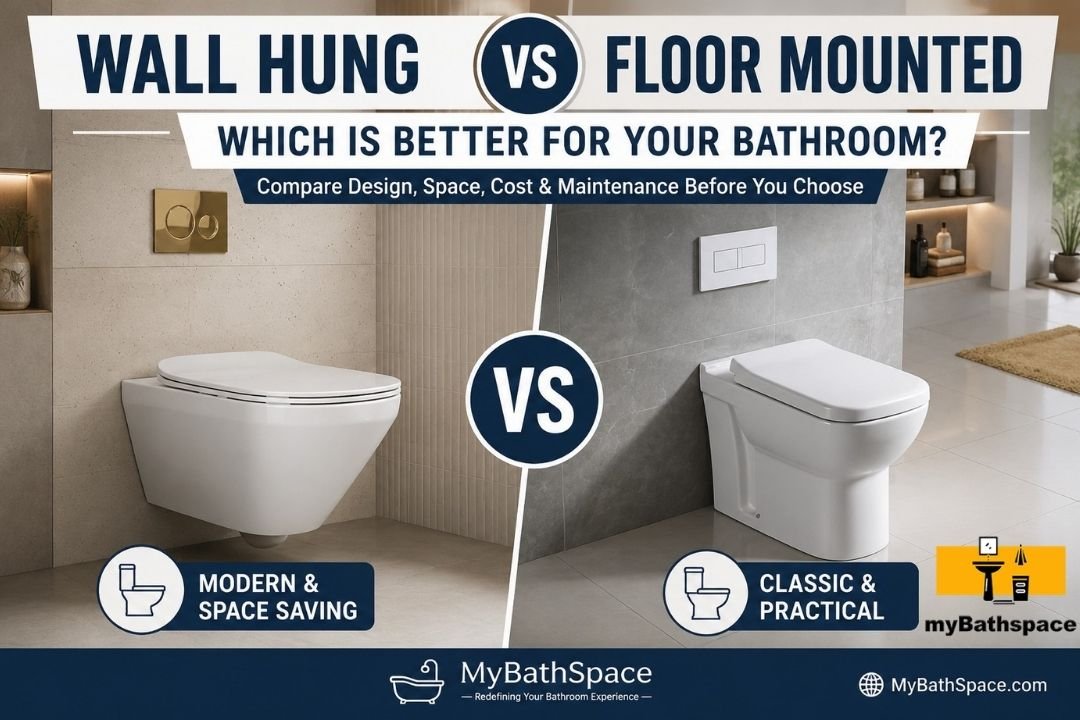
Wall Hung vs Floor Mounted Toilet: Which Is Better for Your Bathroom?
Jun 06, 2026
-
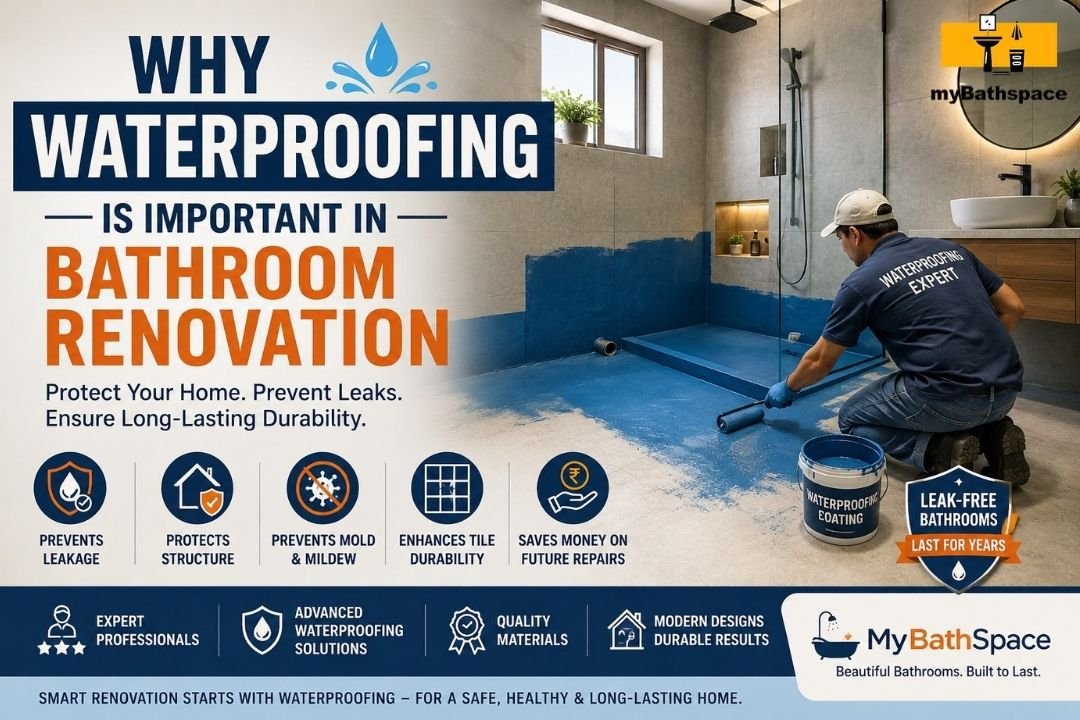
Why Waterproofing Is Important in Bathroom Renovation
May 22, 2026
-
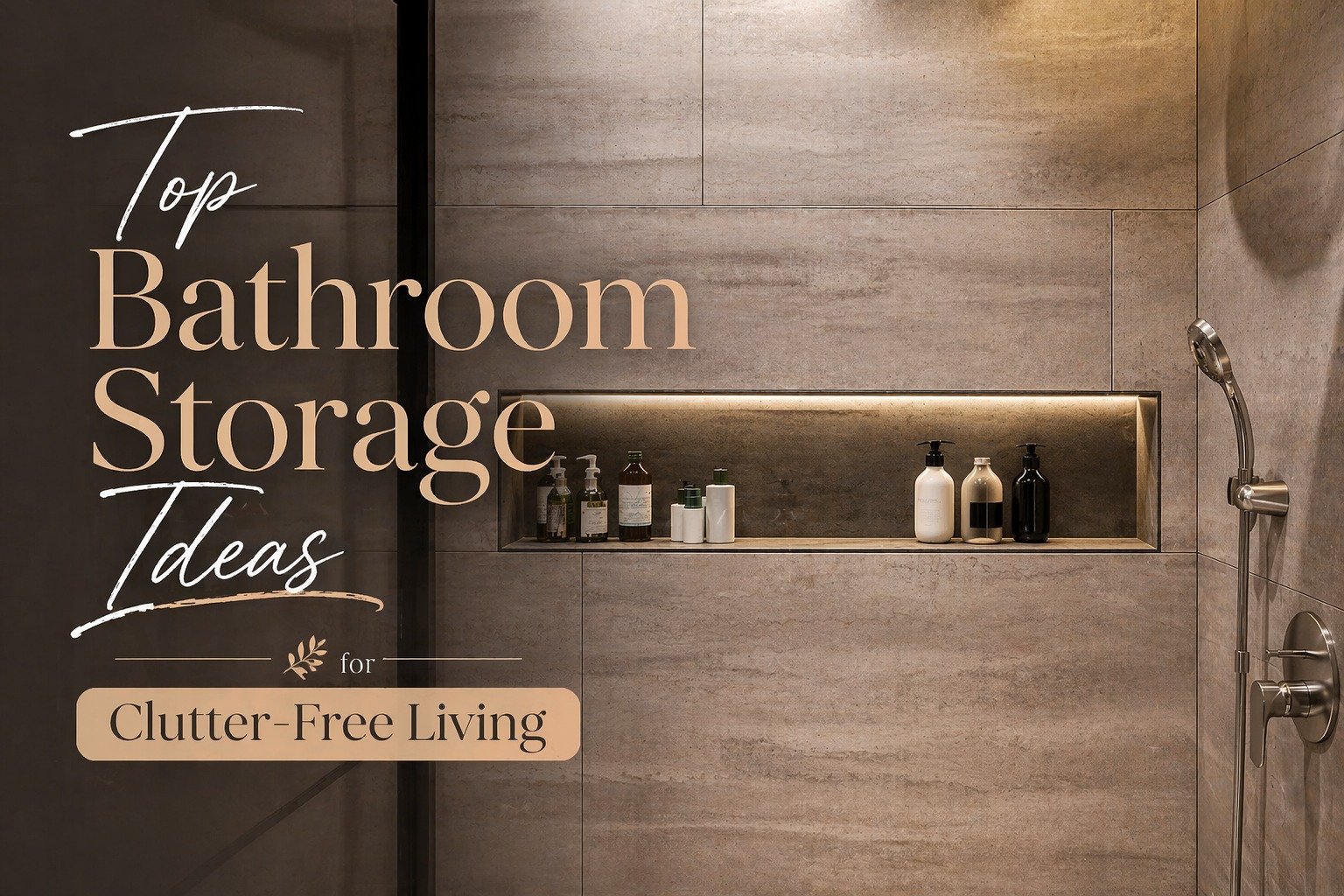
Top Bathroom Storage Ideas for Clutter-Free Living
May 14, 2026
-
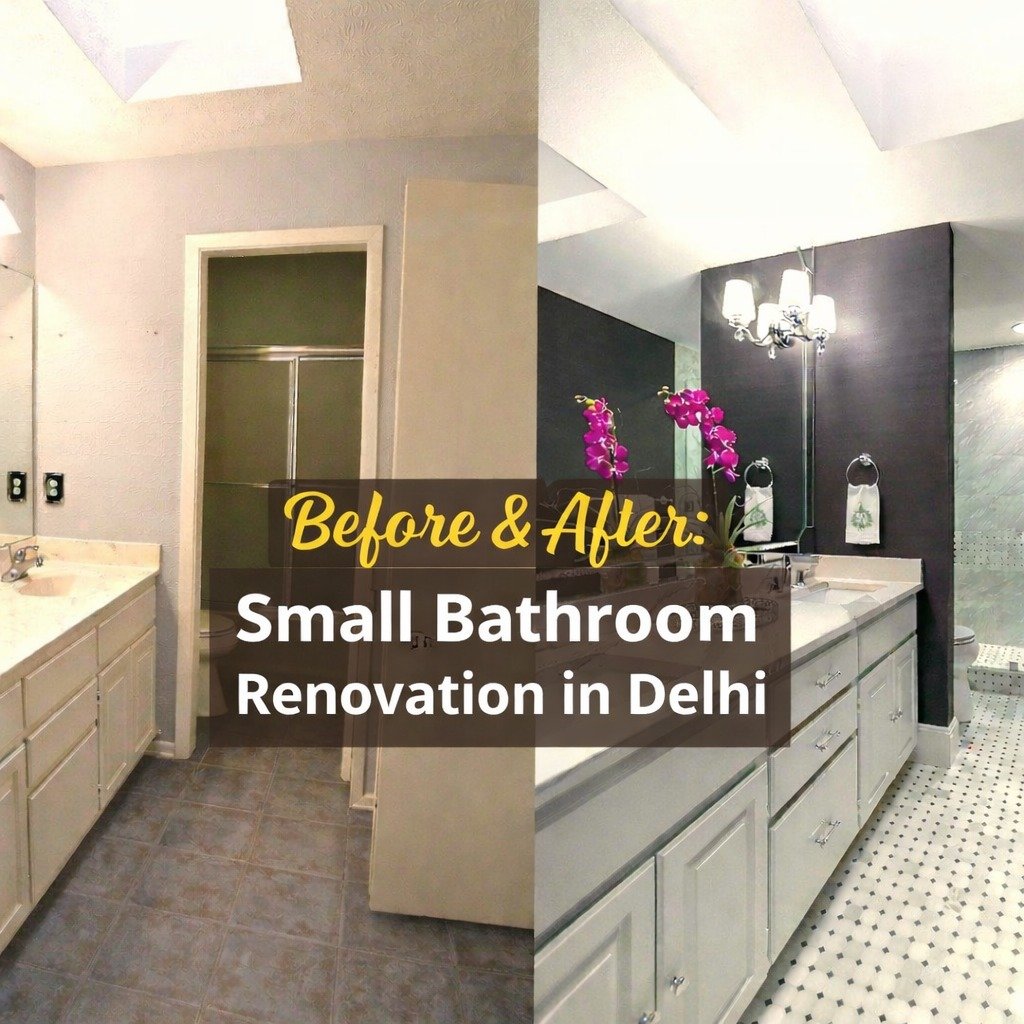
Before & After: Small Bathroom Renovation in Delhi
May 08, 2026
-
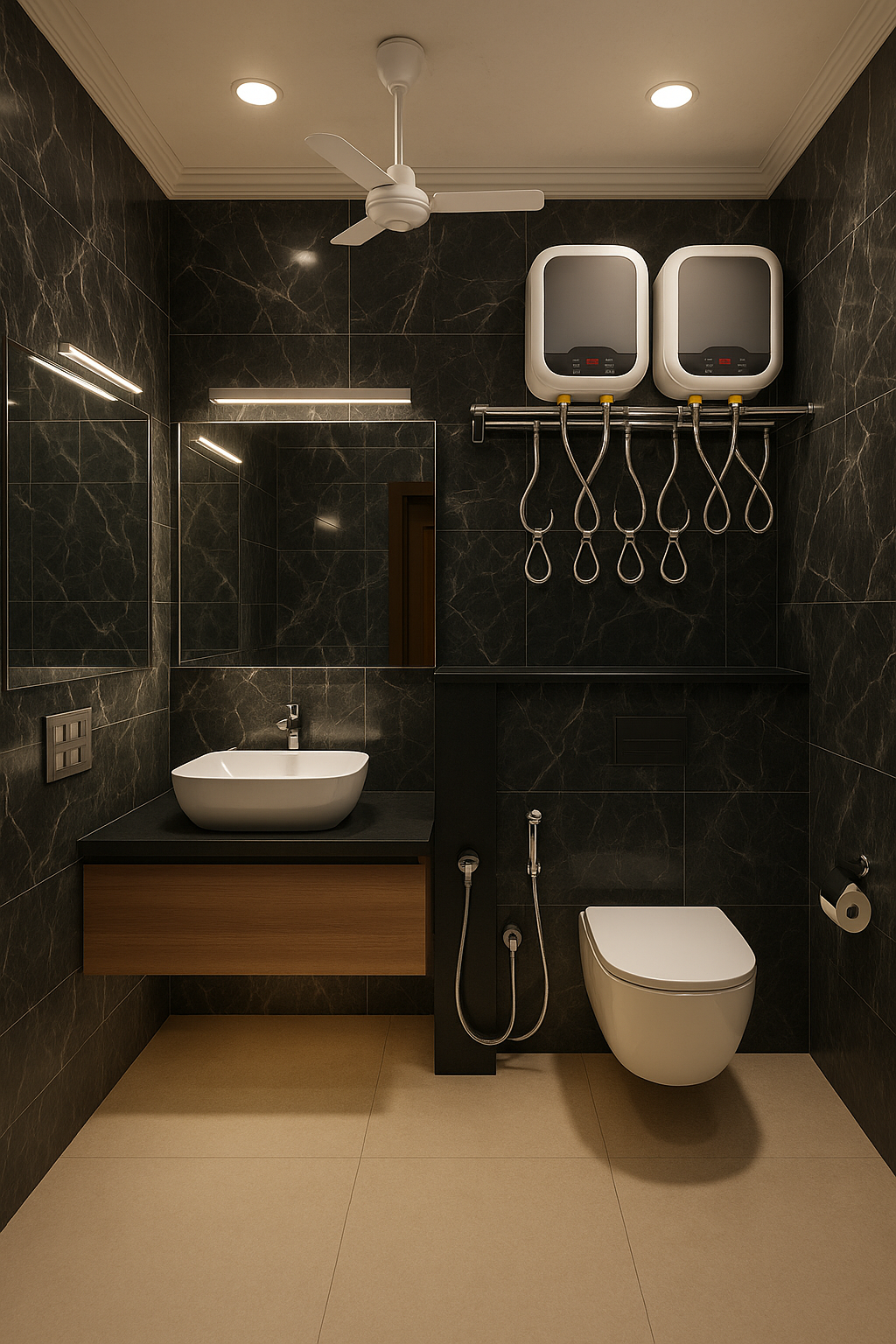
Waterproofing Mistakes to Avoid During Bathroom Renovation
Apr 06, 2026
-
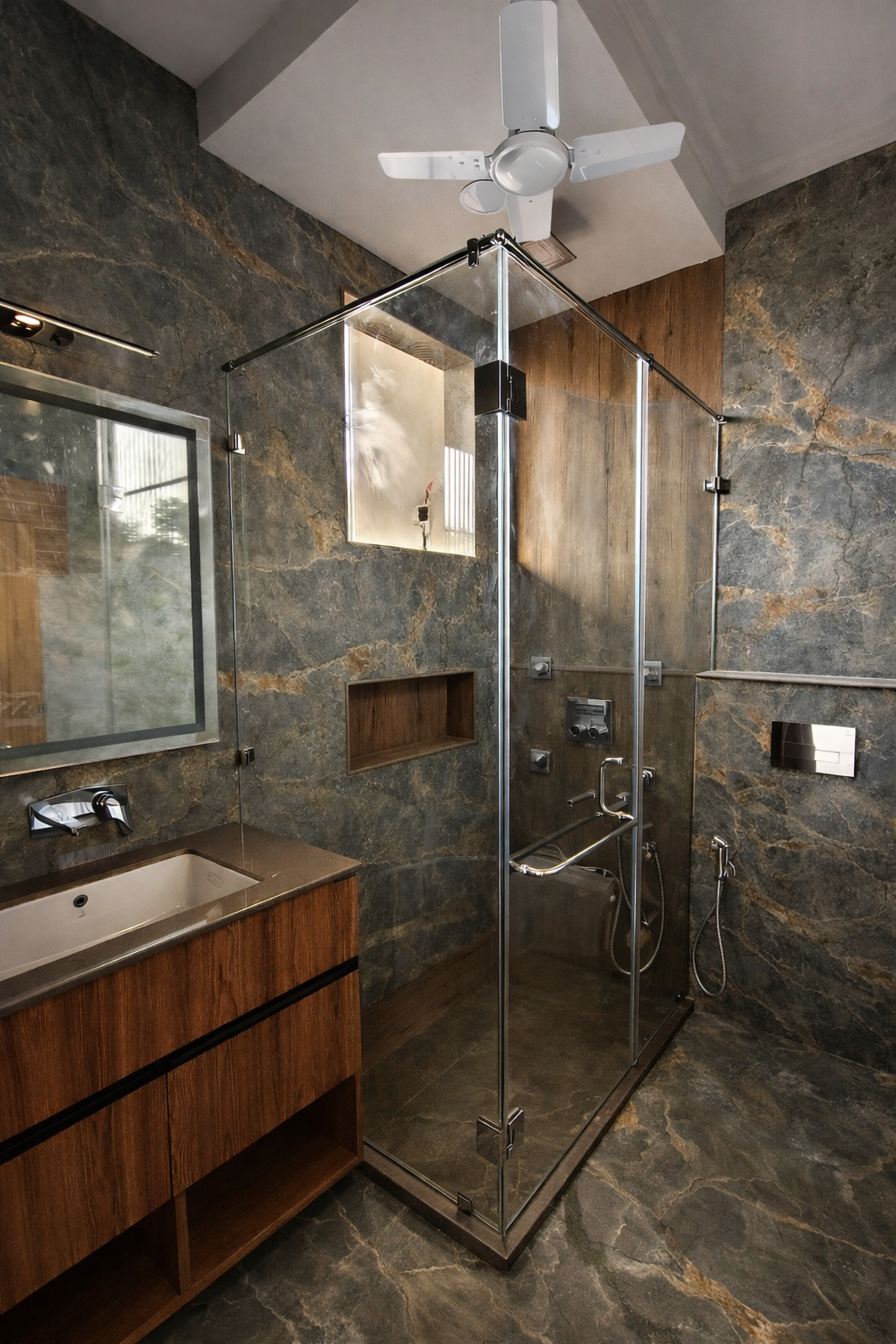
Is Modular Bathroom Design Worth It in India?
Mar 30, 2026
-
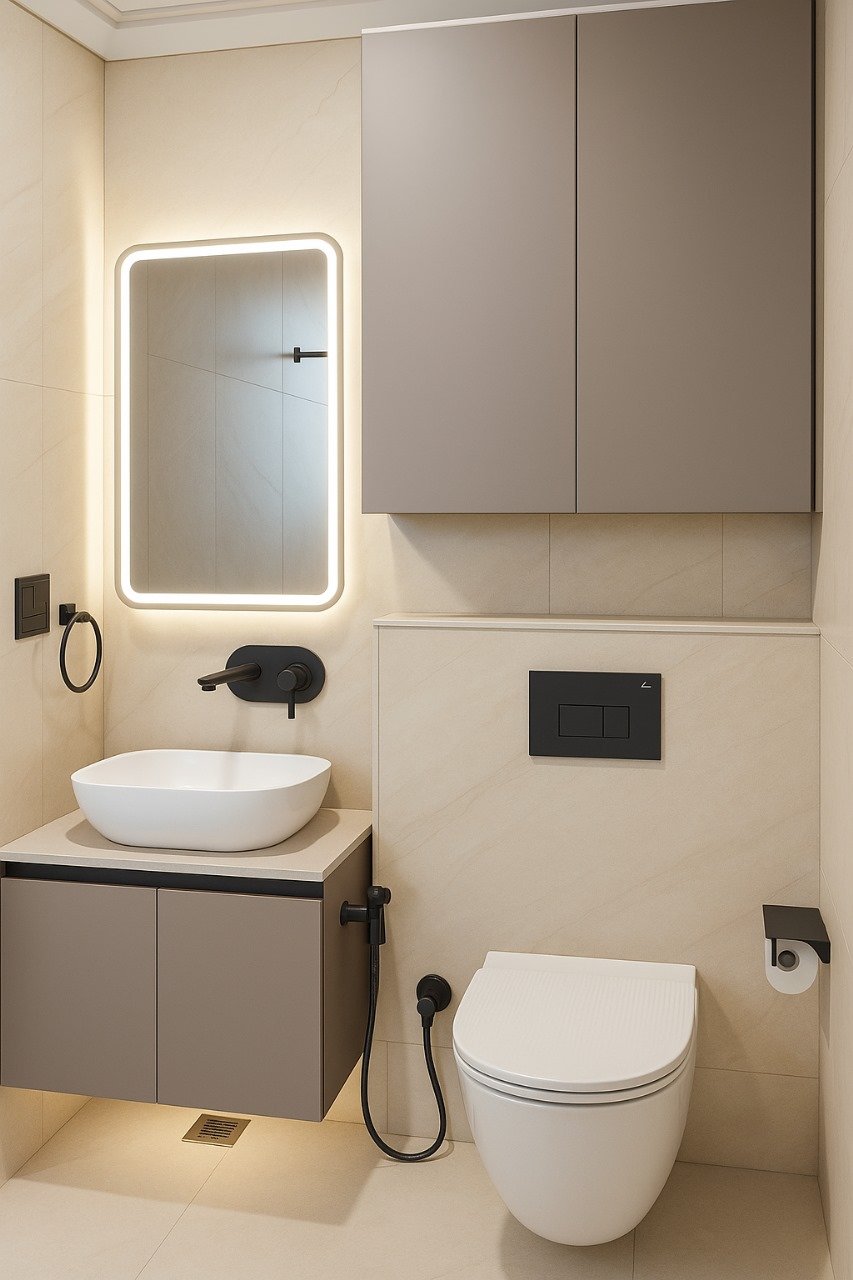
What Do Designers NEVER Tell You About Bathroom Renovation?
Mar 24, 2026
-
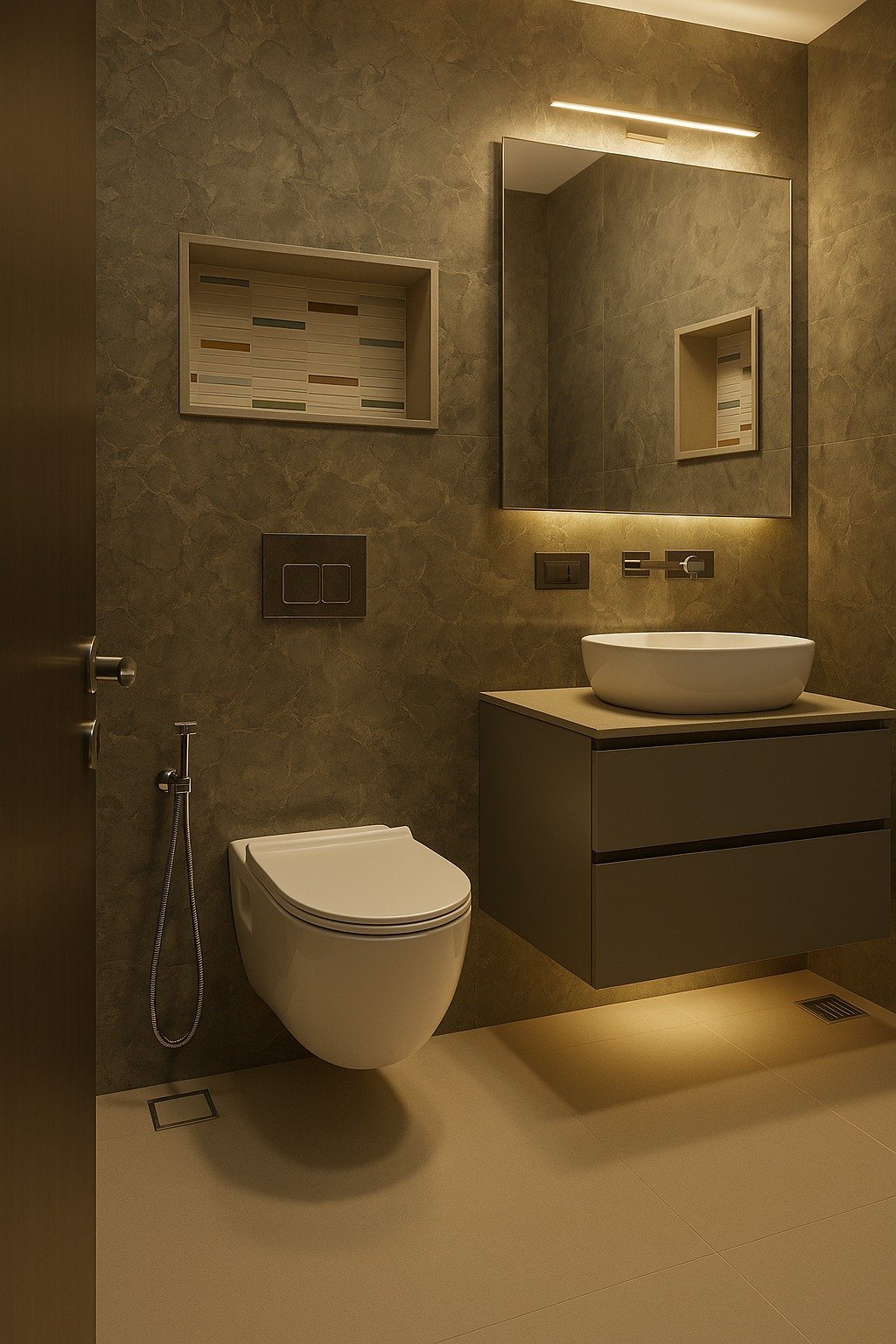
Bathroom Renovation: Is It Worth the Investment?
Mar 21, 2026
-

DIY vs Professional Bathroom Renovation: Which Is Cheaper?
Mar 11, 2026
-
7 Bathroom Renovation Secrets Interior Designers Never Tell You
Feb 25, 2026
-
Low Budget Bathroom Design Ideas for Indian Homes
Feb 18, 2026
-
.jpeg)
Top 7 Questions to Ask Before Hiring a Bathroom Renovation Company in Delhi
Feb 13, 2026
-
Why Bathroom Renovation Costs Increase & How to Control Them
Feb 06, 2026
-
.jpeg)
Is Professional Bathroom Design Worth the Cost?
Feb 02, 2026
-
Bathroom Remodeling Red Flags Every Homeowner Should Watch For
Jan 29, 2026
-
The Future of Relaxation: Top 7 Bathroom Makeover Trends to Watch in 2026
Jan 17, 2026
-
Plan Smart, Spend Right: Bathroom Renovation Cost Calculator by MyBathSpace
Jan 09, 2026
-
5 Ways to Make a Small Bathroom Look Expensive Without Breaking the Bank
Dec 26, 2025
-
Bathroom Renovation vs New Bathroom Design: What’s Better?
Dec 20, 2025
-
Bathroom Renovation Cost in Delhi NCR (2025 Guide)
Dec 15, 2025
-
.jpeg)
Why My Bath Space Is the Go-To Bathroom Renovation Expert in Noida
Dec 02, 2025
-
.jpg)
Budget-Friendly Bathroom Design Tips to Transform Your Space
Nov 26, 2025
-
Bathroom Tile Designs for Luxury Homes: Premium Inspirations
Nov 20, 2025
-
.jpg)
Bathroom Remodel Service in Delhi NCR | Upgrade Your Bath Space
Nov 14, 2025
-
.jpg)
Best Bathroom Contractor in Delhi | Modern Remodeling Experts
Nov 10, 2025
-

Smart Small Bathroom Renovation Ideas for Modern Homes
Nov 07, 2025
-
Tales of Tiles: Crafting Bathroom Elegance One Square at a Time
Jun 11, 2025
-

Top Bathroom Renovation Services in Delhi: Why myBathspace is the Best Choice
Apr 07, 2025
-

Best bathroom remodeling contractor near me.
Mar 13, 2025
-

Choosing the Right Material for Your Bathroom Remodel
Mar 13, 2025
-

Step By Step: Planning Your Perfect Bathroom Renovation
Mar 12, 2025
-

Top Bathroom Renovation Trends in 2025: Modern Designs And Features
Mar 12, 2025
-

Small Bathroom Remodel Ideas : Maximizing Space And Style
Mar 12, 2025
-

Transform Your Home with a Bathroom Renovation
Mar 12, 2025
Recent Blogs
-
Bathroom Renovation Cost in Noida 2026: Complete Price Breakdown, Budget Planning and Expert Tips
-
1-Day Bathroom Renovation Without Construction | QuickLift
-
Bathroom Design Ideas for Indian Homes: Complete 2026 Guide
-
Bathroom Renovation Cost in Delhi NCR 2026: Complete Price Guide
-
Bathroom Renovation in Delhi NCR: Complete Guide to Design, Cost, Process & Timeline
-
Space-Saving Small Bathroom Ideas for a Modern Makeover
-
Why My Bath Space Is the Go-To Bathroom Renovation Expert in Delhi
-
Common Bathroom Renovation Mistakes and How to Avoid Them
-
Small Bathroom Renovation Mistakes to Avoid: Expert Tips for a Beautiful & Functional Space
-
Bathroom Waterproofing: Why It Is Important Before Tiling
-
Top Bathroom Renovation Trends , Modern Designs and Features
-
Why Bathroom Renovation is Becoming Popular in Noida: Trends, Benefits, and Modern Design Ideas
-
Wall Hung vs Floor Mounted Toilet: Which Is Better for Your Bathroom?
-
Why Waterproofing Is Important in Bathroom Renovation
-
Top Bathroom Storage Ideas for Clutter-Free Living
-
Before & After: Small Bathroom Renovation in Delhi
-
Waterproofing Mistakes to Avoid During Bathroom Renovation
-
Is Modular Bathroom Design Worth It in India?
-
What Do Designers NEVER Tell You About Bathroom Renovation?
-
Bathroom Renovation: Is It Worth the Investment?
-
DIY vs Professional Bathroom Renovation: Which Is Cheaper?
-
7 Bathroom Renovation Secrets Interior Designers Never Tell You
-
Low Budget Bathroom Design Ideas for Indian Homes
-
Top 7 Questions to Ask Before Hiring a Bathroom Renovation Company in Delhi
-
Why Bathroom Renovation Costs Increase & How to Control Them
-
Is Professional Bathroom Design Worth the Cost?
-
Bathroom Remodeling Red Flags Every Homeowner Should Watch For
-
The Future of Relaxation: Top 7 Bathroom Makeover Trends to Watch in 2026
-
Plan Smart, Spend Right: Bathroom Renovation Cost Calculator by MyBathSpace
-
5 Ways to Make a Small Bathroom Look Expensive Without Breaking the Bank
-
Bathroom Renovation vs New Bathroom Design: What’s Better?
-
Bathroom Renovation Cost in Delhi NCR (2025 Guide)
-
Why My Bath Space Is the Go-To Bathroom Renovation Expert in Noida
-
Budget-Friendly Bathroom Design Tips to Transform Your Space
-
Bathroom Tile Designs for Luxury Homes: Premium Inspirations
-
Bathroom Remodel Service in Delhi NCR | Upgrade Your Bath Space
-
Best Bathroom Contractor in Delhi | Modern Remodeling Experts
-
Smart Small Bathroom Renovation Ideas for Modern Homes
-
Tales of Tiles: Crafting Bathroom Elegance One Square at a Time
-
Top Bathroom Renovation Services in Delhi: Why myBathspace is the Best Choice
-
Best bathroom remodeling contractor near me.
-
Choosing the Right Material for Your Bathroom Remodel
-
Step By Step: Planning Your Perfect Bathroom Renovation
-
Top Bathroom Renovation Trends in 2025: Modern Designs And Features
-
Small Bathroom Remodel Ideas : Maximizing Space And Style
-
Transform Your Home with a Bathroom Renovation