EXPERT ADVISE
Smart Toilets vs Traditional Toilets: Which One Should You Buy?
August 13, 2026
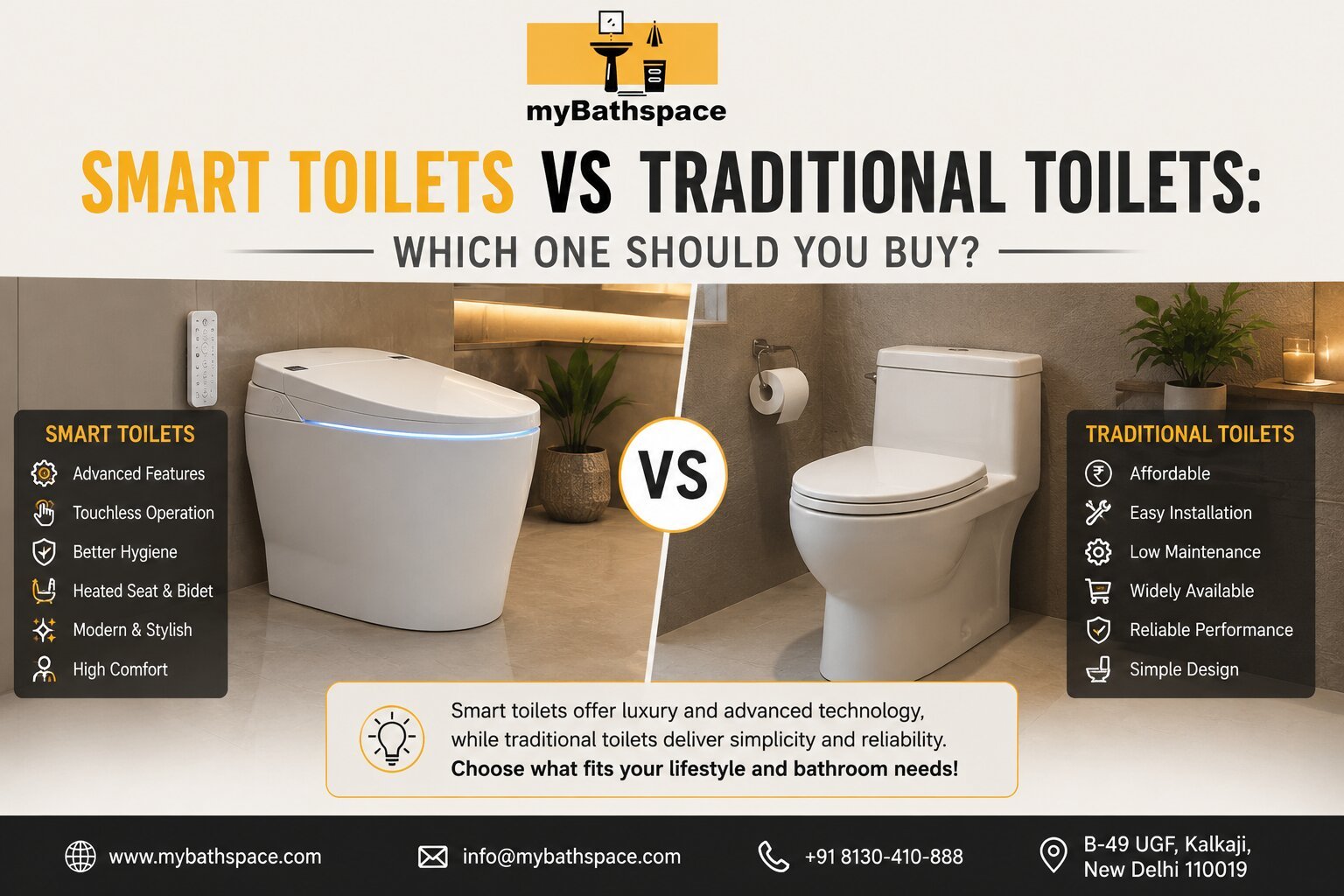
When planning a bathroom renovation, choosing the right toilet is one of the most important decisions you'll make. While traditional toilets have been the standard for decades, smart toilets are rapidly becoming a popular choice among modern homeowners. With advanced features such as automatic flushing, heated seats, bidet functions, and water-saving technology, smart toilets offer a completely different bathroom experience.
But does investing in a smart toilet make sense for your home? Or is a traditional toilet still the better option?
In this guide, we'll compare smart toilets vs traditional toilets based on cost, features, maintenance, hygiene, installation, and long-term value. Whether you're renovating your bathroom or building a new one, this comparison will help you make an informed decision.
Smart Toilets vs Traditional Toilets: A Complete Buying Guide
Choosing between a smart toilet and a traditional toilet depends on your budget, lifestyle, and long-term expectations. Let's explore the differences in detail.
What Is a Smart Toilet?
A smart toilet is an advanced toilet system designed to improve hygiene, comfort, and convenience. It uses electronic controls and automation to offer features that go far beyond flushing.
Common features include:
Automatic flushing
Built-in bidet with adjustable water pressure
Heated toilet seat
Warm air dryer
Motion sensor lid opening and closing
Self-cleaning nozzles
UV sterilization
Deodorizer
Night light
Remote control or smartphone connectivity
Water-saving dual flush technology
Smart toilets are ideal for homeowners looking for a premium bathroom experience.
What Is a Traditional Toilet?
A traditional toilet is the standard manual flushing toilet found in most homes. It consists of a toilet bowl, cistern, flush mechanism, and seat.
Although simple, traditional toilets are reliable, affordable, and easy to maintain. Modern versions also include water-efficient flushing systems and sleek contemporary designs.
For many households, they continue to be the most practical choice.
Key Differences Between Smart Toilets and Traditional Toilets
1. Comfort
Smart toilets are designed with user comfort in mind.
They often include:
Heated seats
Adjustable bidet spray
Warm air drying
Automatic lid operation
Personalized user settings
Traditional toilets provide basic functionality without these luxury features.
Winner: Smart Toilet
2. Hygiene
One of the biggest advantages of smart toilets is improved hygiene.
Most models reduce physical contact by offering:
Touch-free flushing
Self-cleaning nozzles
Automatic bowl cleaning
Bidet washing instead of toilet paper
Anti-bacterial surfaces
Traditional toilets require manual flushing and cleaning, making them less hygienic in comparison.
Winner: Smart Toilet
3. Water Efficiency
Both smart and traditional toilets now offer water-saving technology.
Smart toilets optimize water usage using intelligent sensors and dual flush systems.
Modern traditional toilets also feature efficient flushing mechanisms that consume less water than older models.
Winner: Tie
4. Installation
Traditional toilets are easier and faster to install.
Smart toilets often require:
Electrical connection
Additional plumbing adjustments
Professional installation
If your bathroom doesn't already have a nearby power source, installation costs may increase.
Winner: Traditional Toilet
5. Maintenance
Traditional toilets have fewer components, making repairs simple and affordable.
Smart toilets include electronic systems, sensors, and advanced components that may require specialized servicing if problems arise.
However, premium brands are built for durability and reliability.
Winner: Traditional Toilet
7. Design
Smart toilets feature sleek, minimalist designs that complement luxury bathrooms.
Traditional toilets are available in a wide range of styles, but they generally have a more conventional appearance.
If you're designing a modern bathroom, smart toilets create a premium visual appeal.
Winner: Smart Toilet
Advantages of Smart Toilets
Superior Hygiene
Touchless operation minimizes the spread of germs.
Enhanced Comfort
Heated seating, warm water washing, and automatic drying improve the overall bathroom experience.
Eco-Friendly
Many smart toilets reduce toilet paper usage and optimize water consumption.
Luxury Experience
Smart toilets add a high-end feel to your bathroom while increasing convenience.
Accessibility
They are especially beneficial for elderly individuals and people with mobility challenges.
Advantages of Traditional Toilets
Budget-Friendly
Traditional toilets are significantly more affordable.
Easy Repairs
Replacement parts are widely available and inexpensive.
Simple Installation
Most homes can install a traditional toilet without electrical modifications.
Long-Term Reliability
With fewer electronic components, traditional toilets often require less maintenance.
Who Should Buy a Smart Toilet?
A smart toilet is an excellent choice if you:
Want a luxury bathroom experience
Prioritize hygiene
Prefer touch-free technology
Are renovating a premium home
Have elderly family members
Want advanced comfort features
Although the initial investment is higher, many homeowners appreciate the convenience and modern functionality.
Who Should Buy a Traditional Toilet?
A traditional toilet is ideal if you:
Have a limited renovation budget
Prefer simple maintenance
Need a reliable everyday solution
Are renovating rental properties
Want quick installation
Traditional toilets continue to offer excellent performance for most households.
Things to Consider Before Buying a Toilet
Bathroom Size
Compact bathrooms may require wall-mounted or space-saving toilet designs.
Water Pressure
Some smart toilet features perform better with adequate water pressure.
Electrical Access
Smart toilets require a nearby power outlet.
Family Needs
Consider whether comfort, hygiene, accessibility, or budget is your highest priority.
Future Maintenance
Choose trusted brands with good after-sales service and readily available spare parts.
Smart Toilet vs Traditional Toilet: Quick Comparison
Why Your Toilet Choice Matters During a Bathroom Renovation
A toilet isn't just another bathroom fixture—it's something your family uses every day. Choosing the right model can improve comfort, hygiene, water efficiency, and the overall look of your bathroom.
At MyBathSpace, we help homeowners design bathrooms that combine functionality with modern aesthetics. Whether you're considering a premium smart toilet or a stylish traditional model, our experts guide you through product selection, layout planning, installation, and finishing to create a bathroom that suits your lifestyle and budget.
Frequently Asked Questions (FAQs)
Are smart toilets worth the investment?
Yes. If you value comfort, hygiene, and advanced features, a smart toilet can be a worthwhile long-term investment, especially in premium homes.
Do smart toilets save water?
Most smart toilets include dual-flush and efficient water management systems that help reduce water consumption.
Can a smart toilet work during a power outage?
Basic flushing usually remains functional on many models, but electronic features such as heated seats, bidet functions, and automatic flushing may not operate without electricity. Features vary by manufacturer.
Which toilet is easier to maintain?
Traditional toilets are generally easier and less expensive to maintain because they have fewer mechanical and electronic components.
Can I install a smart toilet in an existing bathroom?
Yes, but your bathroom may need a nearby electrical outlet and, in some cases, minor plumbing modifications. A professional installer can assess compatibility.
Final Thoughts
When comparing smart toilets vs traditional toilets, there isn't a one-size-fits-all answer. The right choice depends on your budget, lifestyle, and expectations.
If you want cutting-edge technology, superior hygiene, and luxury features, a smart toilet is an excellent investment. On the other hand, if affordability, simplicity, and low maintenance are your priorities, a traditional toilet remains a dependable and cost-effective option.
If you're planning a bathroom renovation, consulting experienced professionals can help you choose fixtures that match your home's design, functionality, and long-term needs. At MyBathSpace, we specialize in creating beautifully designed bathrooms with expert guidance on selecting the best sanitaryware, layouts, and finishes for every project
All Blogs
-
Small Bathroom Renovation Mistakes to Avoid: Expert Tips for a Beautiful & Functional Space
Jul 20, 2026
-
Bathroom Waterproofing: Why It Is Important Before Tiling
Jul 10, 2026
-

Top Bathroom Renovation Trends , Modern Designs and Features
Jul 02, 2026
-
Why Bathroom Renovation is Becoming Popular in Noida: Trends, Benefits, and Modern Design Ideas
Jun 18, 2026
-
Wall Hung vs Floor Mounted Toilet: Which Is Better for Your Bathroom?
Jun 06, 2026
-
Why Waterproofing Is Important in Bathroom Renovation
May 22, 2026
-
Top Bathroom Storage Ideas for Clutter-Free Living
May 14, 2026
-
Before & After: Small Bathroom Renovation in Delhi
May 08, 2026
-
Waterproofing Mistakes to Avoid During Bathroom Renovation
Apr 06, 2026
-
Is Modular Bathroom Design Worth It in India?
Mar 30, 2026
-
What Do Designers NEVER Tell You About Bathroom Renovation?
Mar 24, 2026
-
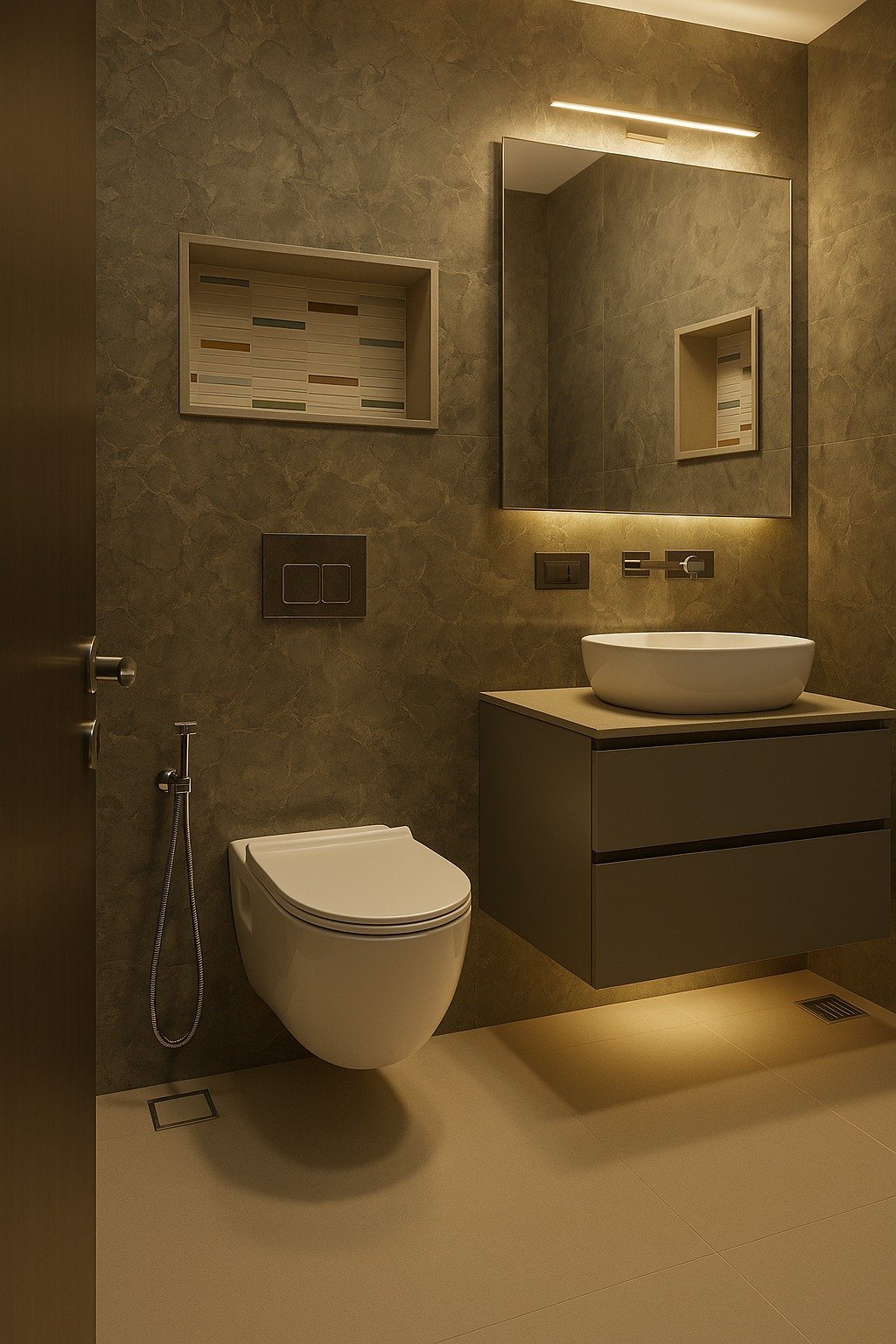
Bathroom Renovation: Is It Worth the Investment?
Mar 21, 2026
-

DIY vs Professional Bathroom Renovation: Which Is Cheaper?
Mar 11, 2026
-
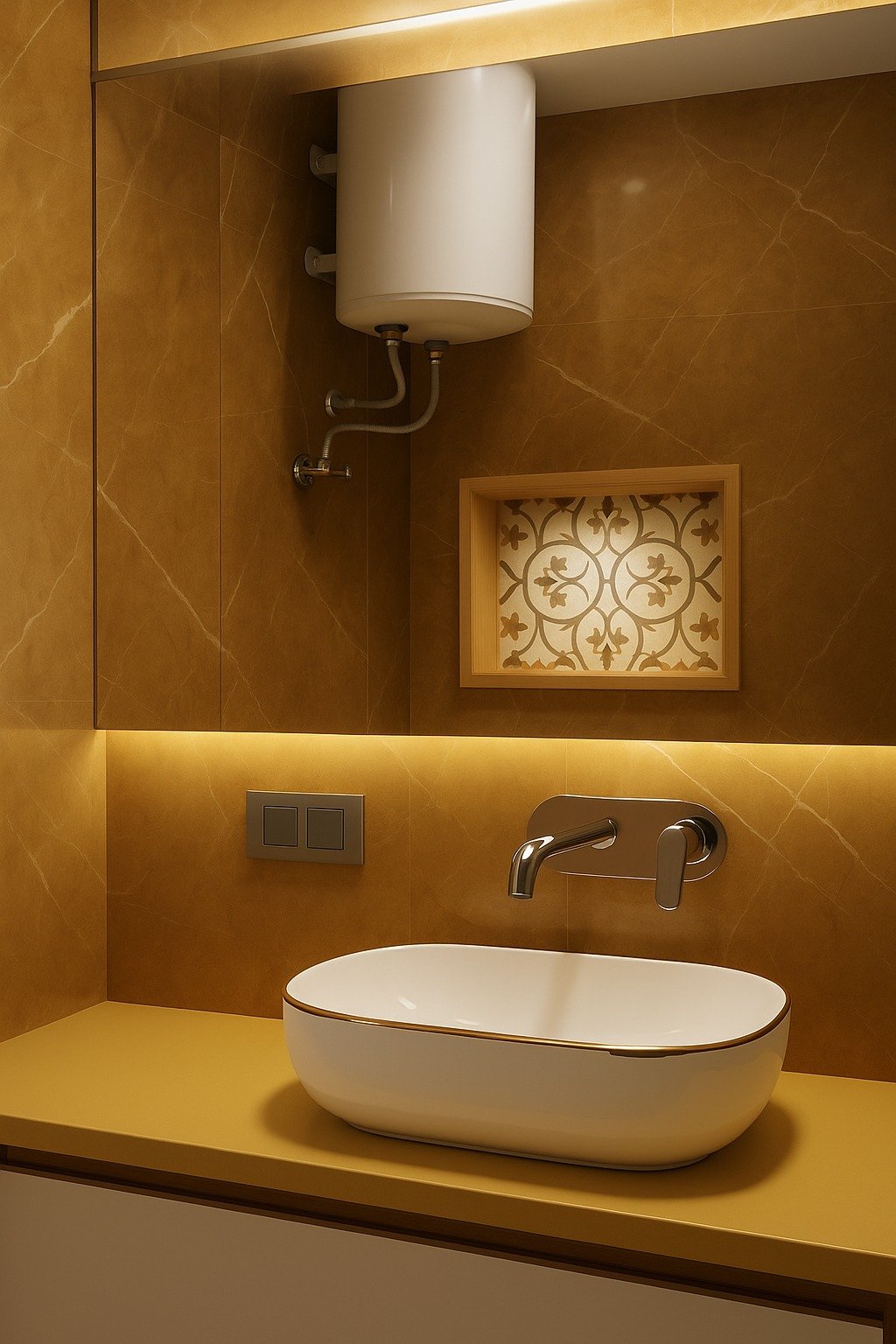
7 Bathroom Renovation Secrets Interior Designers Never Tell You
Feb 25, 2026
-
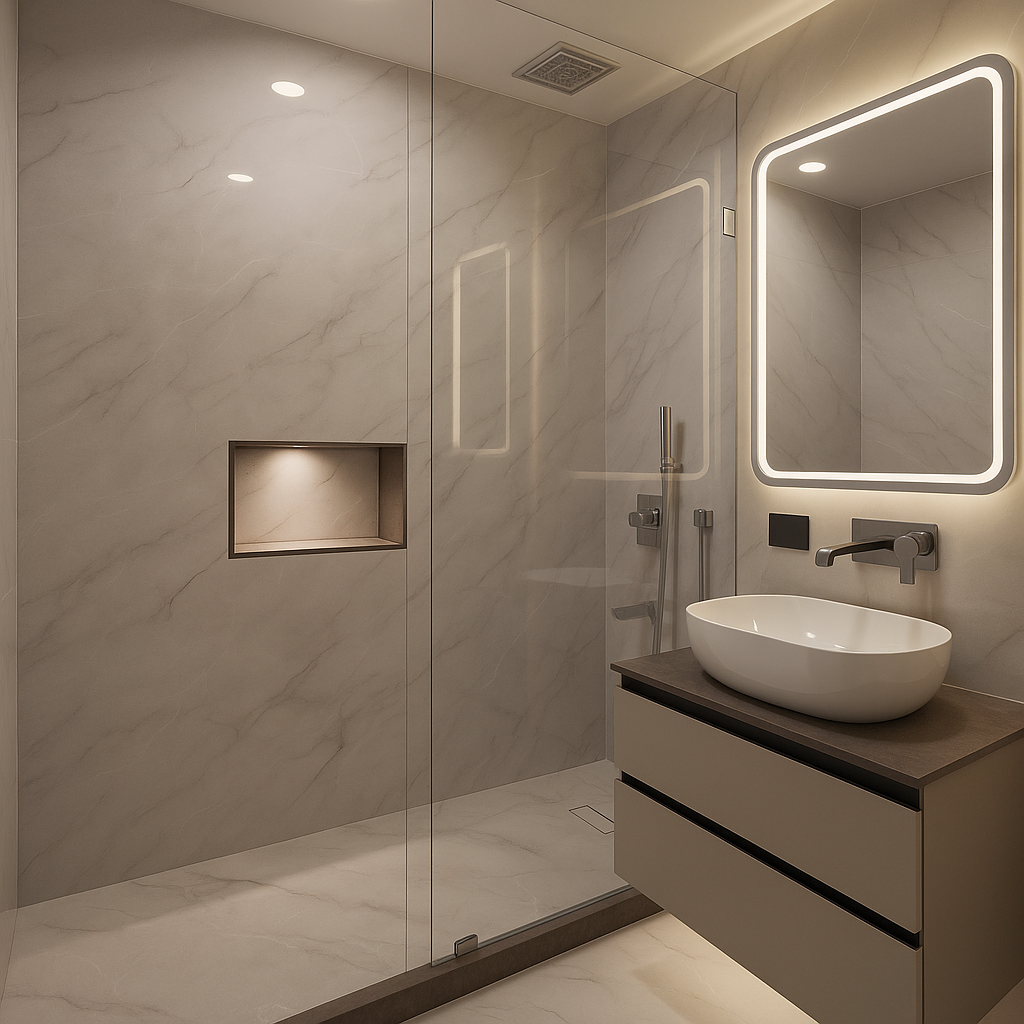
Low Budget Bathroom Design Ideas for Indian Homes
Feb 18, 2026
-
.jpeg)
Top 7 Questions to Ask Before Hiring a Bathroom Renovation Company in Delhi
Feb 13, 2026
-
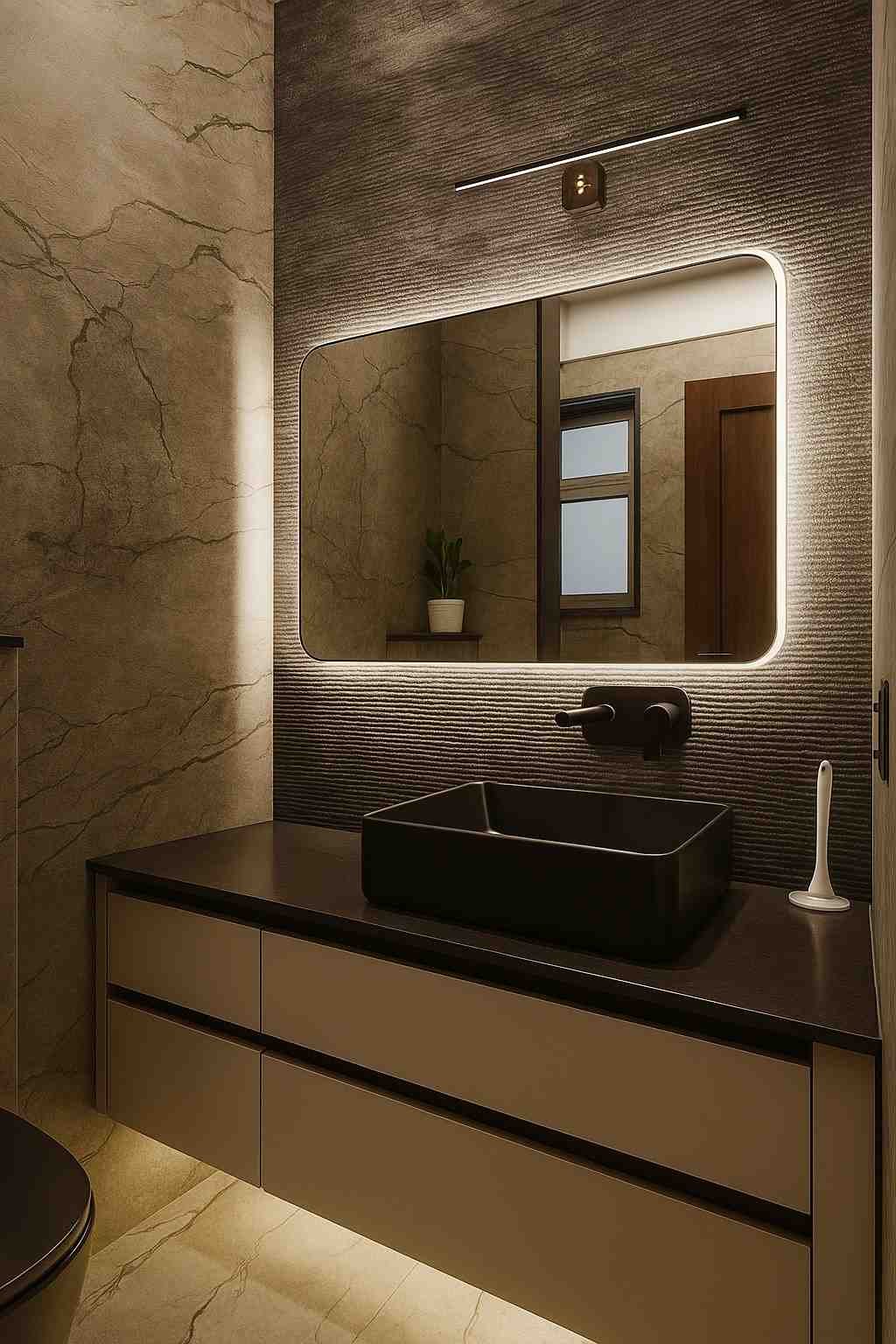
Why Bathroom Renovation Costs Increase & How to Control Them
Feb 06, 2026
-
.jpeg)
Is Professional Bathroom Design Worth the Cost?
Feb 02, 2026
-
Bathroom Remodeling Red Flags Every Homeowner Should Watch For
Jan 29, 2026
-
Bathroom Interior Designer in Delhi for Small Spaces: Smart Design Solutions
Jan 22, 2026
-
The Future of Relaxation: Top 7 Bathroom Makeover Trends to Watch in 2026
Jan 17, 2026
-
Plan Smart, Spend Right: Bathroom Renovation Cost Calculator by MyBathSpace
Jan 09, 2026
-
5 Ways to Make a Small Bathroom Look Expensive Without Breaking the Bank
Dec 26, 2025
-
Bathroom Renovation vs New Bathroom Design: What’s Better?
Dec 20, 2025
-
Bathroom Renovation Cost in Delhi NCR (2025 Guide)
Dec 15, 2025
-
.jpeg)
Why My Bath Space Is the Go-To Bathroom Renovation Expert in Noida
Dec 02, 2025
-
.jpg)
Budget-Friendly Bathroom Design Tips to Transform Your Space
Nov 26, 2025
-
Bathroom Tile Designs for Luxury Homes: Premium Inspirations
Nov 20, 2025
-
.jpg)
Bathroom Remodel Service in Delhi NCR | Upgrade Your Bath Space
Nov 14, 2025
-
.jpg)
Best Bathroom Contractor in Delhi | Modern Remodeling Experts
Nov 10, 2025
-

Smart Small Bathroom Renovation Ideas for Modern Homes
Nov 07, 2025
-
Tales of Tiles: Crafting Bathroom Elegance One Square at a Time
Jun 11, 2025
-

Top Bathroom Renovation Services in Delhi: Why myBathspace is the Best Choice
Apr 07, 2025
-

Best bathroom remodeling contractor near me.
Mar 13, 2025
-

Choosing the Right Material for Your Bathroom Remodel
Mar 13, 2025
-

Step By Step: Planning Your Perfect Bathroom Renovation
Mar 12, 2025
-

Top Bathroom Renovation Trends in 2025: Modern Designs And Features
Mar 12, 2025
-

Small Bathroom Remodel Ideas : Maximizing Space And Style
Mar 12, 2025
-

Transform Your Home with a Bathroom Renovation
Mar 12, 2025
Recent Blogs
-
Small Bathroom Renovation Mistakes to Avoid: Expert Tips for a Beautiful & Functional Space
-
Bathroom Waterproofing: Why It Is Important Before Tiling
-
Top Bathroom Renovation Trends , Modern Designs and Features
-
Why Bathroom Renovation is Becoming Popular in Noida: Trends, Benefits, and Modern Design Ideas
-
Wall Hung vs Floor Mounted Toilet: Which Is Better for Your Bathroom?
-
Why Waterproofing Is Important in Bathroom Renovation
-
Top Bathroom Storage Ideas for Clutter-Free Living
-
Before & After: Small Bathroom Renovation in Delhi
-
Waterproofing Mistakes to Avoid During Bathroom Renovation
-
Is Modular Bathroom Design Worth It in India?
-
What Do Designers NEVER Tell You About Bathroom Renovation?
-
Bathroom Renovation: Is It Worth the Investment?
-
DIY vs Professional Bathroom Renovation: Which Is Cheaper?
-
7 Bathroom Renovation Secrets Interior Designers Never Tell You
-
Low Budget Bathroom Design Ideas for Indian Homes
-
Top 7 Questions to Ask Before Hiring a Bathroom Renovation Company in Delhi
-
Why Bathroom Renovation Costs Increase & How to Control Them
-
Is Professional Bathroom Design Worth the Cost?
-
Bathroom Remodeling Red Flags Every Homeowner Should Watch For
-
Bathroom Interior Designer in Delhi for Small Spaces: Smart Design Solutions
-
The Future of Relaxation: Top 7 Bathroom Makeover Trends to Watch in 2026
-
Plan Smart, Spend Right: Bathroom Renovation Cost Calculator by MyBathSpace
-
5 Ways to Make a Small Bathroom Look Expensive Without Breaking the Bank
-
Bathroom Renovation vs New Bathroom Design: What’s Better?
-
Bathroom Renovation Cost in Delhi NCR (2025 Guide)
-
Why My Bath Space Is the Go-To Bathroom Renovation Expert in Noida
-
Budget-Friendly Bathroom Design Tips to Transform Your Space
-
Bathroom Tile Designs for Luxury Homes: Premium Inspirations
-
Bathroom Remodel Service in Delhi NCR | Upgrade Your Bath Space
-
Best Bathroom Contractor in Delhi | Modern Remodeling Experts
-
Smart Small Bathroom Renovation Ideas for Modern Homes
-
Tales of Tiles: Crafting Bathroom Elegance One Square at a Time
-
Top Bathroom Renovation Services in Delhi: Why myBathspace is the Best Choice
-
Best bathroom remodeling contractor near me.
-
Choosing the Right Material for Your Bathroom Remodel
-
Step By Step: Planning Your Perfect Bathroom Renovation
-
Top Bathroom Renovation Trends in 2025: Modern Designs And Features
-
Small Bathroom Remodel Ideas : Maximizing Space And Style
-
Transform Your Home with a Bathroom Renovation