EXPERT ADVISE
Bathroom Tile Guide for Noida, Ghaziabad & Faridabad Homes: Types, Safety, Trends and Costs
October 21, 2026
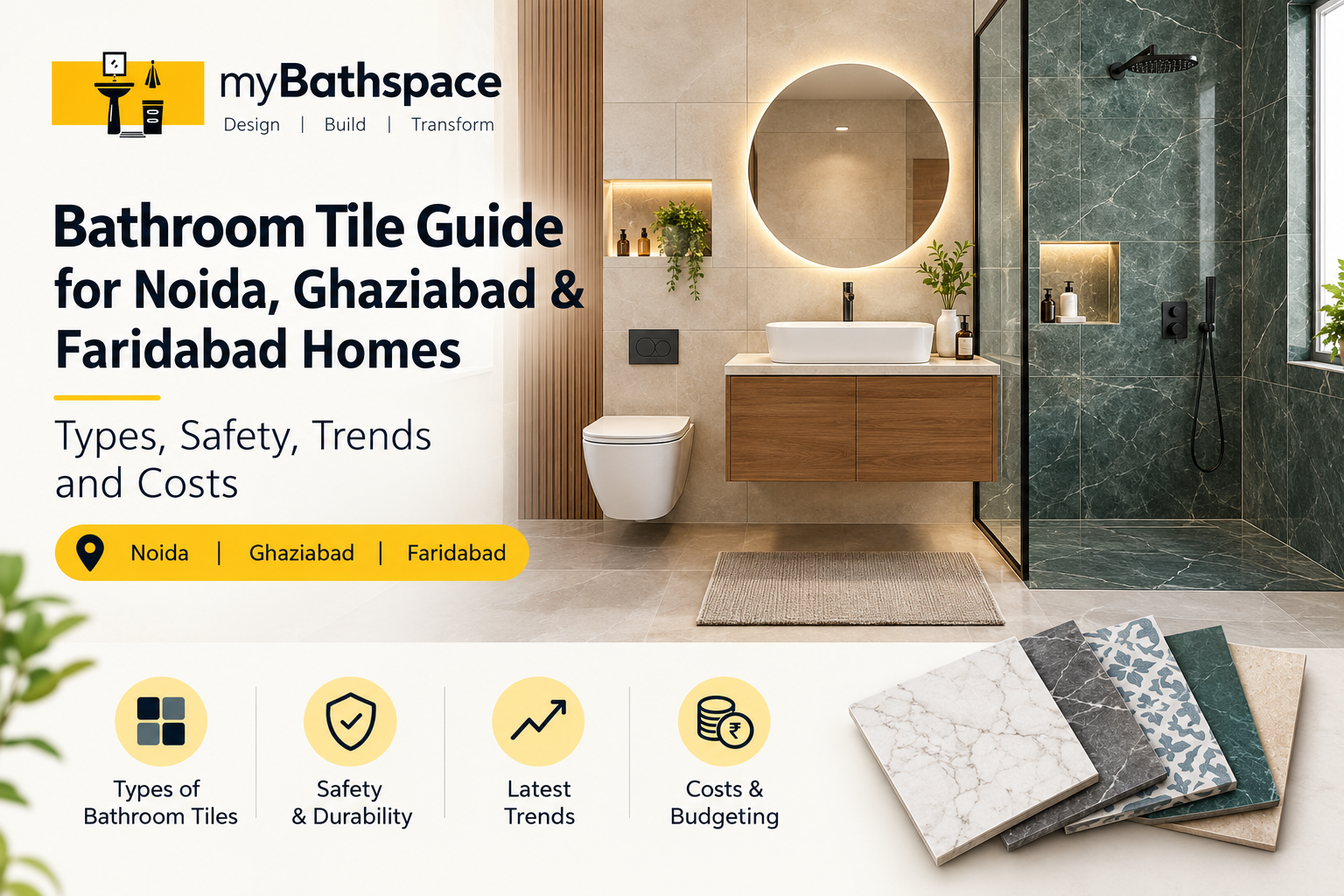
Picking bathroom tiles is about more than picking a colour or pattern that looks nice. I think bathroom tiles can set the mood of a bathroom. The best bathroom tiles must endure moisture, stay easy to clean, give a safe walking surface and fit the whole bathroom design. For homeowners in Noida, Ghaziabad and Faridabad water quality, apartment layout and maintenance needs deserve thought.
Hard water can leave mineral deposits on bathroom surfaces and frequent use and poor ventilation can make cleaning more difficult. Choosing bathroom tiles, grout and installation materials can help reduce these problems and keep bathroom tiles looking good for years. I have seen many bathrooms suffer because the wrong tiles were chosen.
Whether you are renovating an apartment, upgrading a builder floor or planning a new bathroom this guide, by myBathSpace, explains how to choose bathroom tiles based on durability, safety, design and budget. I hope this guide helps you make a choice.
1. Why Tile Choice Matters More Than You Think
Bathroom tiles help keep surfaces from water splashes every day. They make cleaning simpler. Really affect how your bathroom looks.. If you pick the wrong ones you might run into problems even if they look nice.
Here are the main factors to consider before buying bathroom tiles:
Water resistance: Low-porosity tiles are useful in wet areas because they absorb less water and are generally easier to maintain.
Slip resistance: Bathroom floors need a suitable surface texture to reduce slipping risks, particularly around showers and washbasins.
Maintenance: Tiles with easy-clean finishes and appropriately selected grout can reduce the effort required to remove soap residue and mineral deposits.
Durability: Quality tiles installed on a properly prepared surface are better equipped to handle regular household use.
Appearance: Tile colours, patterns, sizes and finishes influence how spacious, bright or coordinated the bathroom feels.
The layout of your bathroom also matters.
If the bathroom is lighter colours and small tile sizes can help. If the bathroom is big you can use patterns or colours that stand out.
Importantly tiles cannot fix bad waterproofing or wrong installation. A successful renovation mixes the materials with good surface preparation, proper drainage and professional fitting.
2. Best Tile Types for Indian Bathrooms
Different tile materials have advantages. The best choice depends on where the tile will be installed, your budget and how maintenance you are willing to handle.
Porcelain Tiles
Porcelain tiles are a choice for modern bathrooms. Porcelain tiles usually have water absorption. Porcelain tiles also provide durability if installed correctly.
Porcelain tiles come in a range of finishes. Porcelain tiles include stone‑look, concrete‑look and wood‑look designs.
Porcelain tiles can work well on both bathroom floors and walls. Porcelain tiles will work best if the selected product is rated for the intended application.
Best for: Homeowners seeking durable, low-maintenance bathroom surfaces.
What to check: Confirm the tile's water absorption, surface finish and slip-resistance specifications before using it on a wet floor.
Ceramic Tiles
Ceramic tiles are often an option for bathroom walls. Ceramic tiles come in colours, shapes, decorative patterns and can be glossy or matte.
Glazed Ceramic tiles are easy to clean so they are good for places that get splashed. But not every Ceramic tile is right for bathroom floors so check the manufacturers instructions.
Best, for: renovations, decorative walls and shower‑area wall finishes.
What to check: Ensure the selected tile is suitable for the installation location, and remember that the grout and joints also require proper maintenance.
Large-Format Tiles
Large-format tiles give a look because they cut down on grout lines that you can see. Large-format tiles can also make a modern bathroom feel smoother and more open.
Large-format tiles need a very flat base, careful handling and expert installation. In bathrooms the pattern of large-format tiles must fit the floor slope and drainage so that there are no odd cuts or water that collects.
Best, for: bathrooms that love clean lines and want very few visual interruptions.
What to check: Talk about the size of the large-format tiles the slope of the floor where the drain sits and how much the installation will cost before you finish the design.
Stone-Look Tiles
Stone-look porcelain and ceramic tiles mimic the look of marble, limestone and other natural stones. They do not need the level of upkeep that real stone requires.
Stone-look tiles can give a finish while also providing a practical option for everyday residential bathrooms. Stone-look tile maintenance depends on the tiles surface, texture and finish.
Best for: Homeowners who want a premium appearance but also want easy cleaning.
What to check: Choose a slip- floor finish for stone-look tiles instead of assuming every stone-look tile is safe, for wet areas.
Which Bathroom Tile Should You Choose?
For Indian bathrooms, porcelain floor tiles and easy-clean ceramic or porcelain wall tiles provide a practical foundation. The final decision should be based on product specifications, water exposure, household needs and installation conditions, than appearance alone.
3. Tiles That Handle Hard Water Well
Hard water is an issue for homeowners in Noida and Ghaziabad. Mineral deposits from water can build up over time on bathroom surfaces and fixtures. The problem can be different from one home to another depending on the water source. That’s why it’s important to check the water conditions in your home.
When hard water dries up it often leaves behind chalky marks. These marks show up on tiles, taps, shower screens and the joints between tiles. They can be especially visible, on glossy or patterned surfaces. The problem tends to get worse in areas that get a lot of moisture.
The answer is not to buy the most expensive tiles. You need to look at the tile material, the surface finish, the grout type and how you keep things clean. Choosing the combination of these factors makes a big difference. Regular cleaning and proper maintenance also help keep water marks from building up.
Choose Low-Porosity Tiles
Porcelain tiles with water absorption are a good choice for bathroom floors and walls. Because they absorb little water they resist moisture better. This helps prevent damage over time. Still you might notice mineral deposits forming on the surface from water. Ceramic tiles with the glaze can be easy to clean. This is especially true, for walls, where dirt and grime don't build up quickly.
Prefer Easy-Clean Finishes
I think smooth matte and satin finishes can provide a balance, between how things look and how easy they are to keep clean as long as the chosen product fits the spot where it will be used.
You might notice that glossy dark tiles can show water spots and mineral marks more clearly. Textured surfaces can hold onto soap residue and deposits which makes cleaning them more difficult.
When it comes to floors, never give up slip resistance just to get a surface.
Select Grout Carefully
Grout joints can gather dirt, soap residue and mineral deposits. I suggest using a high‑quality grout applied correctly and maintained, to keep grout joints cleaner.
Depending on the application and budget I suggest choosing a grout with proper protection or an epoxy grout. Follow the manufacturers instructions, for width, curing and cleaning.
Follow a Simple Cleaning Routine
Dry wet surfaces whenever it is possible. Open. Use fans to improve air flow. Use cleaning products that are approved for the tile and grout in the area. Do not use acids or abrasive cleaners unless the tile manufacturer confirms that they are safe for the tile and grout.
A practical tip: If the home has hard‑water stains take small tile samples. After the tile dries examine how visible the water marks are. This approach can be more useful than selecting tiles only because they look bright, in a showroom.
4. Floor vs Wall Tile — What's Different?
Bathroom floor tiles and wall tiles serve different purposes. Although some products are suitable for both, you should never assume that a tile designed for a wall will be safe or strong enough for a floor.
Choosing Floor Tiles
Floor tiles must match the expected foot traffic and wet conditions. I recommend asking about the slip-resistance performance of the tile especially if children, older adults or people, with mobility limitations will use the bathroom. The floor must also slope correctly toward the drain. Even an excellent tile will not stop water from collecting if the floor was installed incorrectly.
Choosing Wall Tiles
Wall tiles give freedom when it comes to decorative patterns. They can have a look. They can be used for feature walls. They come in sizes. These tiles need to work with the wall they are placed on. They must be put up with the glue.
For walls in a shower making sure the area behind the tiles is waterproof is very important. Just having tiles and grout does not mean the space is fully protected from water.
Should Floor and Wall Tiles Match?
They do not need to be identical. A practical approach is to pair wall tiles with a complementary floor finish or to use a decorative wall to bring in colour and texture.
For inspiration look at the myBathSpace Design Catalogue to see bathroom designs and think about how different finishes work.
5. Slip Resistance and Safety
A bathroom can look amazing. Still be dangerous if the floor gets slippery when its wet. That’s why slip resistance should be one of the things you check when you’re comparing bathroom tiles. You want both style and safety so don’t skip this step.
What Makes a Tile Safer?
I notice that a suitable floor tile gives a good surface texture and good slip‑resistance for the place where it is used. If a floor tile is very smooth and polished it can become slippery when water or soap is on it.
When you evaluate bathroom floor tiles ask the supplier for the manufacturer's slip‑resistance rating and test information. I think it is also useful to look for recognised classifications like the R‑rating under DIN 51130 or the wet pendulum test results, under the standards.
These tests measure conditions so the ratings should not be treated as directly interchangeable.
Safety Tips for Indian Bathrooms
Choose tiles specifically recommended for wet-area flooring.
Avoid highly polished floor finishes in shower and bathing zones unless the product is demonstrably suitable for the conditions.
Keep the floor free from soap residue and standing water.
Use secure grab bars and other accessibility features where needed.
Ensure the floor slopes towards the drain without creating abrupt changes in level.
Smaller tiles can sometimes give more grout joints. Allow more design flexibility, around slopes. However tile size alone does not decide safety. The surface rating, quality of installation and how well the tile is maintained are more important.
For households that have adults or young children discuss safety requirements before selecting the final floor tile.
6. Bathroom Tile Trends for 2026
Bathroom design, in 2026 keeps favouring looking finishes. Bathroom design prefers colour palettes. Bathroom design chooses materials that look good and work well every day.
Warm Neutral Colours
Beige, sand, cream and warm grey colors create an environment. These colors go well with wood-look vanities, brushed-metal fittings and neutral sanitaryware. These colors are choices for people who want a design that looks nice for a long time. They do not follow one trend. They stay looking good for, than one season.
Stone and Concrete Effects
Stone-look and concrete-look tiles give a feel without needing real stone on every surface. They fit well with simple designs and subtle fixtures. These tiles bring a touch while staying practical for everyday use. The look is fresh and calm perfect, for a home. They add character without overwhelming the space. Many people choose them for both style and ease of maintenance.
Large-Format Surfaces
Large-format tiles can make grout lines less noticeable. Give a smoother look. Large-format tiles work best when the bathroom is big enough when the drain is set up correctly and when the installer is skilled.
Textured Feature Walls
Subtle ribbed effects, geometric patterns and decorative feature tiles can add personality without making the whole bathroom look too busy.
For homes that have water use heavily textured surfaces in a careful way because some finishes might need more cleaning.
Coordinated Finishes
Homeowners are now thinking about tiles when they plan the vanity, the mirror, the shower enclosure, the sanitaryware and the fittings. They are not looking at each of these items as something to buy on its own.
MyBathSpace works with brand partners such as NITCO, for tiles well as Kohler, Jaquar, Astral, Simplex and Oriet. This helps with bathroom planning. Choosing the right products. It is important to check if the products are available and if they work for the project.
The best trend to follow is the one that works for your home's need for maintenance, your budget and how your family uses the bathroom.
7. Local Considerations for Noida, Ghaziabad & Faridabad Apartments
Although many bathroom design principles are useful, in Delhi NCR I see that bathroom design principles must adapt to water conditions, layout and renovation constraints.
Noida: Hard Water and Apartment Planning
Homeowners in Noida should think carefully about mineral deposits when choosing finishes, grout and bathroom fittings. Easy‑clean surfaces and a realistic cleaning routine can help make water marks less visible.
High‑rise apartments may also have restrictions, on working hours, debris removal and material transportation. Confirm society permissions before scheduling tile demolition or installation.
Ghaziabad: Existing Bathrooms and Maintenance
In Ghaziabad the condition of a bathroom can be just as important, as the choice of new tiles. Before starting work inspect tiles cracked grout damp patches and drainage problems. If the existing waterproofing is damaged, installing tiles without addressing the underlying issue may lead to further repairs.
Faridabad: Ventilation and Material Selection
Faridabad homes should look at ventilation, moisture exposure and the condition of the existing substrate. I recommend that bathrooms with natural ventilation get extra care for moisture control and the right installation materials. In all three cities confirm tile dimensions, finish, quantity and availability before work starts. Add tiles for cuts and future replacements with the amount decided by the layout and the manufacturer's recommendations. For guidance visit the myBathSpace bathroom renovation page, for Ghaziabad, Noida and Faridabad.
8. How Much Do Bathroom Tiles Cost?
The cost of bathroom tiles depends on the material, size, finish, brand, design and quantity required. Installation, adhesive, grout, surface preparation, waterproofing and demolition can add significantly to the final budget.
The following ranges are indicative planning estimates, not confirmed quotations or current prices for any specific brand.
Actual prices vary by product specifications, supplier and location. Confirm current prices and applicable taxes before purchasing.
What Other Costs Should You Consider?
1. Tile installation: Labour rates vary according to tile dimensions, surface condition, cutting requirements and installation complexity.
2. Adhesive and grout: Use products suitable for the tile type, substrate and wet-area application.
3. Waterproofing: If the bathroom is being renovated comprehensively, waterproofing may be required before new tiles are installed.
4. Demolition and disposal: Removing existing tiles can involve labour, debris handling and surface repairs.
5. Plumbing and drainage: Changes to pipes, fixtures or drain positions may increase the total cost.
6. Wastage and spare tiles: Allow for cutting, breakage and a small stock of matching tiles for future repairs.
For a more complete budgeting framework, read the myBathSpace guide to Bathroom Renovation Cost in Noida 2026.
When comparing quotations, check whether the price includes materials, installation, waterproofing, plumbing, finishing and debris removal. A lower tile price does not necessarily mean a lower overall renovation cost.
9. Can You Replace Bathroom Tiles Without a Full Renovation?
Yes replacing bathroom tiles without changing every fitting is possible in some cases.. The best way to do it depends on how your bathroom is right now. You need to check if the problem's just with the tiles or if something deeper is wrong.
If the tiles are cracked, loose or damp it’s smart to have a look, at it. They can tell you if you only need to fix the tiles or if the floor walls or waterproofing also need work. Sometimes a small repair is enough. Times you might need to do more.
When Is a Full Renovation Better?
A fuller renovation may be appropriate when:
Existing waterproofing has failed.
Multiple tiles are loose or damaged.
Plumbing or drainage needs modification.
Water is seeping into adjacent walls or floors.
The layout needs to change.
The bathroom requires new floor and wall finishes throughout.
At myBathSpace a team that works inside the company takes care of tiling as part of the bathroom renovation. This team makes sure tiling is done at the time with surface preparation and also, with waterproofing, plumbing and finishing whenever it is needed.
What If You Only Want to Upgrade Bathroom Fittings?
If your tiles are in good condition and you want to refresh the bathroom by changing selected fittings, QuickLift may be worth considering.
QuickLift focuses on fitting upgrades rather than tile replacement. Tiles themselves are outside its scope, so it should not be treated as a tile-replacement service.
Explore the myBathSpace QuickLift service to understand whether your requirements fit this option. If your project requires new bathroom tiles, discuss a tile-specific scope or full renovation with the myBathSpace team.
Choosing the correct service from the beginning can help you avoid paying for work that does not address the actual problem.
10. Frequently Asked Questions About Bathroom Tiles
Which tiles are best for bathrooms in Noida?
Low-porosity porcelain tiles are a practical option for many Noida bathrooms. Select a suitable slip-resistant floor finish and easy-clean wall tiles, particularly if mineral deposits from hard water are a concern.
Which bathroom tiles are best for Ghaziabad homes?
Porcelain floor tiles and suitable glazed ceramic or porcelain wall tiles can work well in Ghaziabad homes. The best selection depends on water exposure, maintenance preferences, budget and the condition of the existing bathroom.
Are matte bathroom tiles better than glossy tiles?
Matte tiles can be a good option for bathroom floors when they have suitable wet-area slip resistance. Glossy tiles are often useful on walls because they are relatively easy to wipe clean. Neither finish is automatically the best choice for every application.
Do bathroom tiles prevent water leakage?
No. Tiles and grout are the visible finish, not a substitute for waterproofing. A properly designed waterproofing system, correct drainage and professional installation are essential for protecting the underlying structure.
Which grout is best for hard-water areas?
The choice depends on the tile, joint width, application and cleaning requirements. Suitable protected cementitious grout or epoxy grout may be considered. Correct installation and regular maintenance are essential, and neither option eliminates mineral deposits completely.
Can I use the same tiles on bathroom floors and walls?
Some tiles are rated for both applications, while others are intended only for walls or floors. Check the manufacturer's specifications and confirm that the floor tile is appropriate for wet conditions.
How many extra tiles should I buy?
The amount depends on the tile layout, pattern, room dimensions and number of cuts. Your installer or tile supplier can calculate the required quantity and recommend an allowance for wastage and future repairs.
Can myBathSpace help me choose and install bathroom tiles?
Yes. myBathSpace can help plan tile selection as part of a full bathroom renovation, with tiling coordinated alongside other renovation work. The exact materials and scope should be confirmed during project planning.
Plan Your Bathroom Tile Upgrade with myBathSpace
The right bathroom tiles should look good, perform well in wet conditions and suit the maintenance requirements of your home. For homeowners in Noida, Ghaziabad and Faridabad, this means considering hard-water deposits, floor safety, grout selection, ventilation and the quality of installation before making a final decision.
myBathSpace brings bathroom design, material selection and installation together, with an in-house team handling tiling as part of full bathroom renovation projects. The team works with brands including NITCO for tiles, along with Kohler, Jaquar, Astral, Simplex and Oriet, subject to product availability and project requirements.
Whether you are planning a complete bathroom makeover or comparing bathroom tiles for a specific space, start by assessing your existing bathroom and deciding which improvements are genuinely needed.
Ready to upgrade your bathroom?
Call +91 8130-410-888 to discuss your requirements and Book a Site Visit with myBathSpace.
Explore the Design Catalogue for inspiration or review the Ghaziabad, Noida and Faridabad renovation service to learn more about local bathroom renovation options.
For fitting-only upgrades where the existing tiles can remain, visit QuickLift. If you need tile replacement, ask the team about the appropriate full-renovation solution.
Make your next bathroom renovation a considered investment in comfort, safety and long-term practicality.
All Blogs
-
Bathroom Renovation Cost in Noida 2026: Complete Price Breakdown, Budget Planning and Expert Tips
Oct 13, 2026
-

1-Day Bathroom Renovation Without Construction | QuickLift
Oct 08, 2026
-

Bathroom Design Ideas for Indian Homes: Complete 2026 Guide
Sep 30, 2026
-

Bathroom Renovation Cost in Delhi NCR 2026: Complete Price Guide
Sep 28, 2026
-
Bathroom Renovation in Delhi NCR: Complete Guide to Design, Cost, Process & Timeline
Sep 17, 2026
-
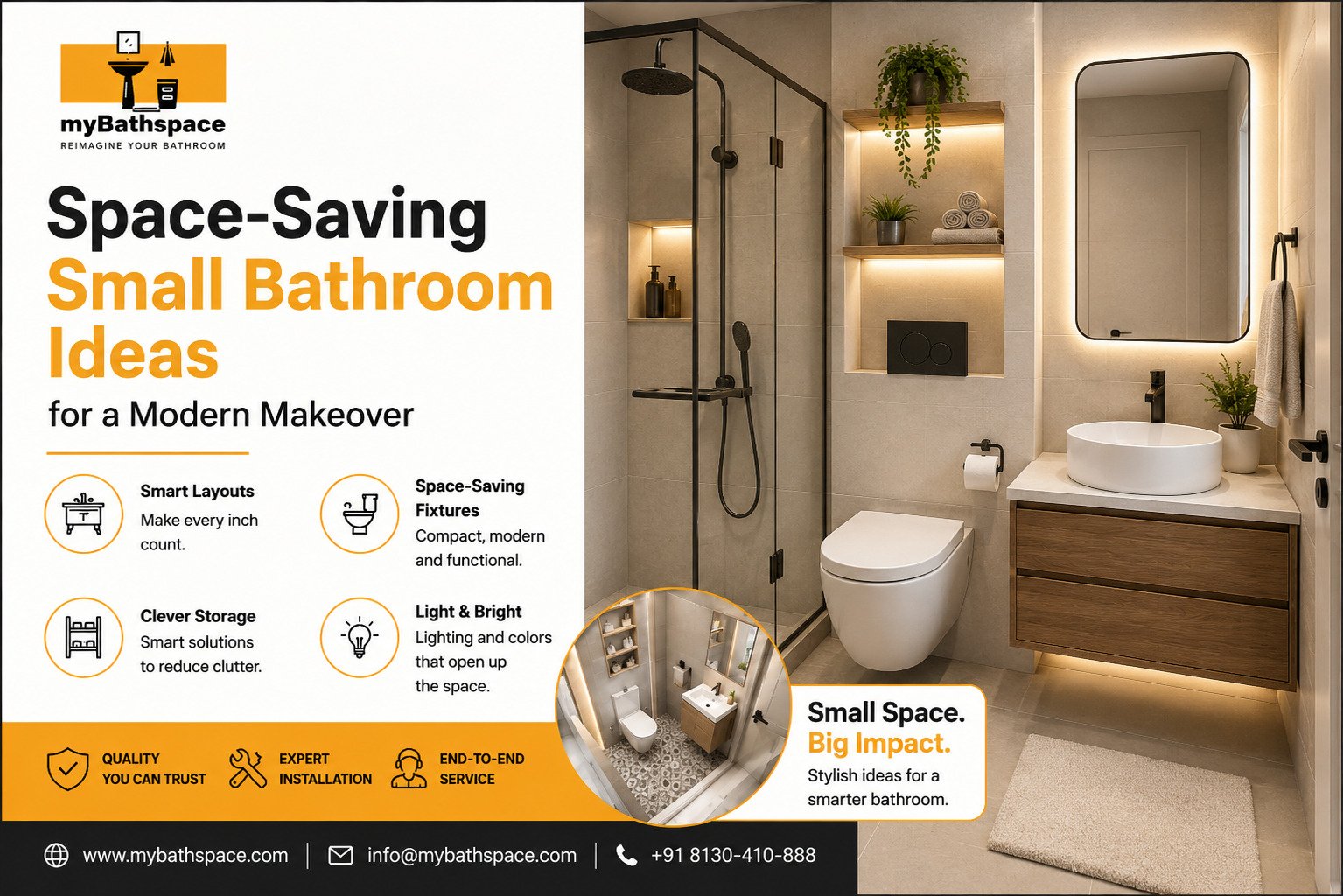
Space-Saving Small Bathroom Ideas for a Modern Makeover
Aug 31, 2026
-
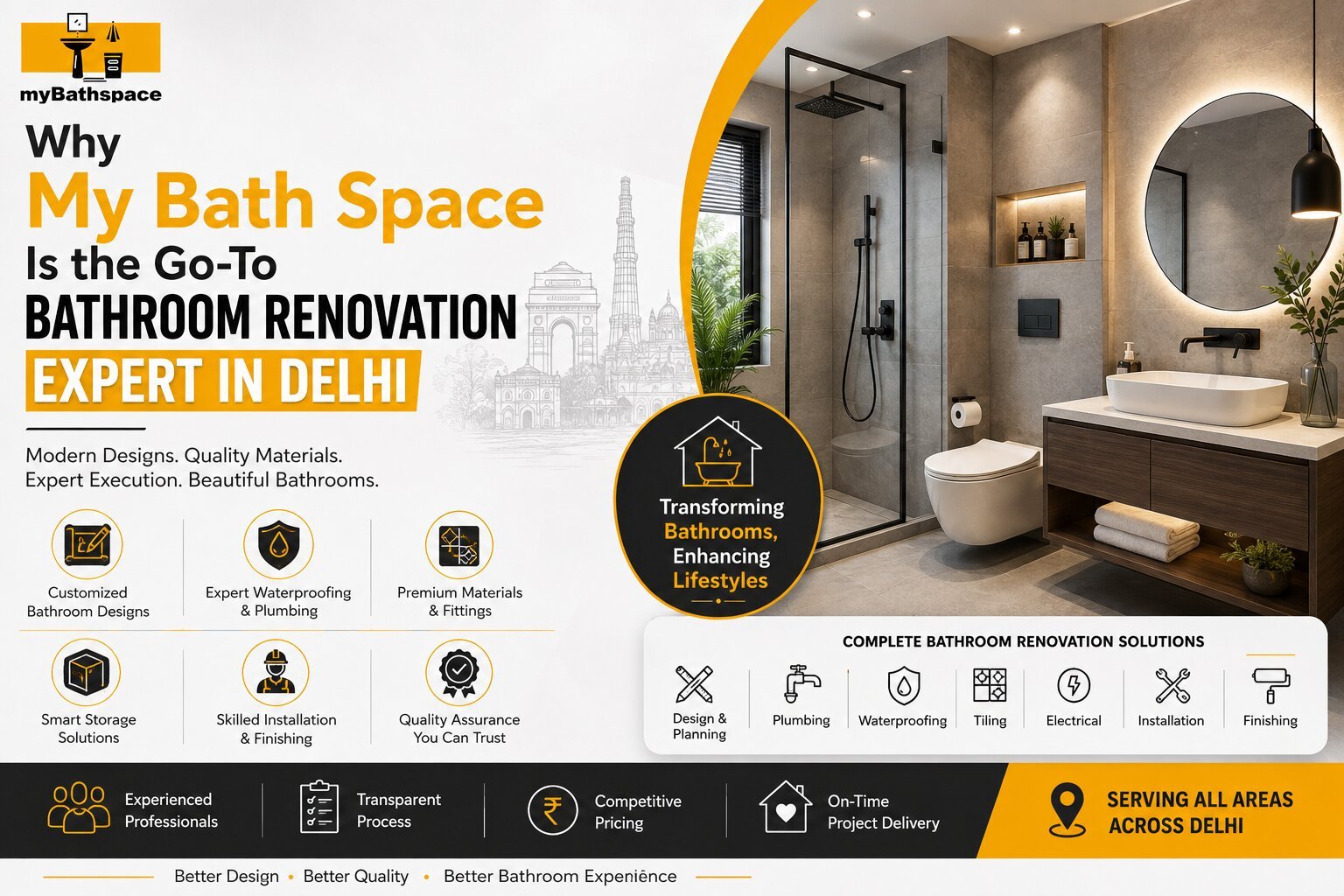
Why My Bath Space Is the Go-To Bathroom Renovation Expert in Delhi
Aug 21, 2026
-
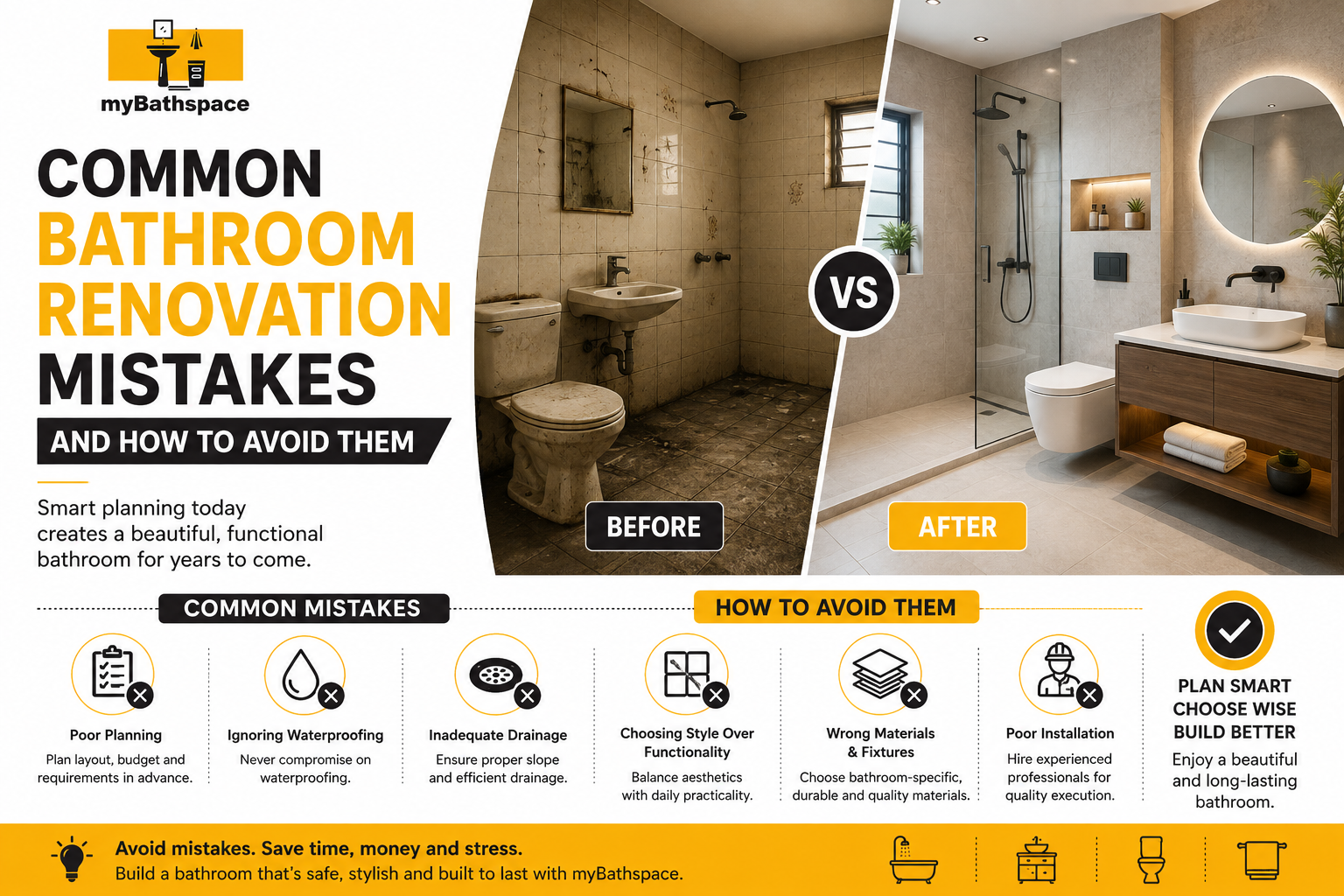
Common Bathroom Renovation Mistakes and How to Avoid Them
Aug 19, 2026
-
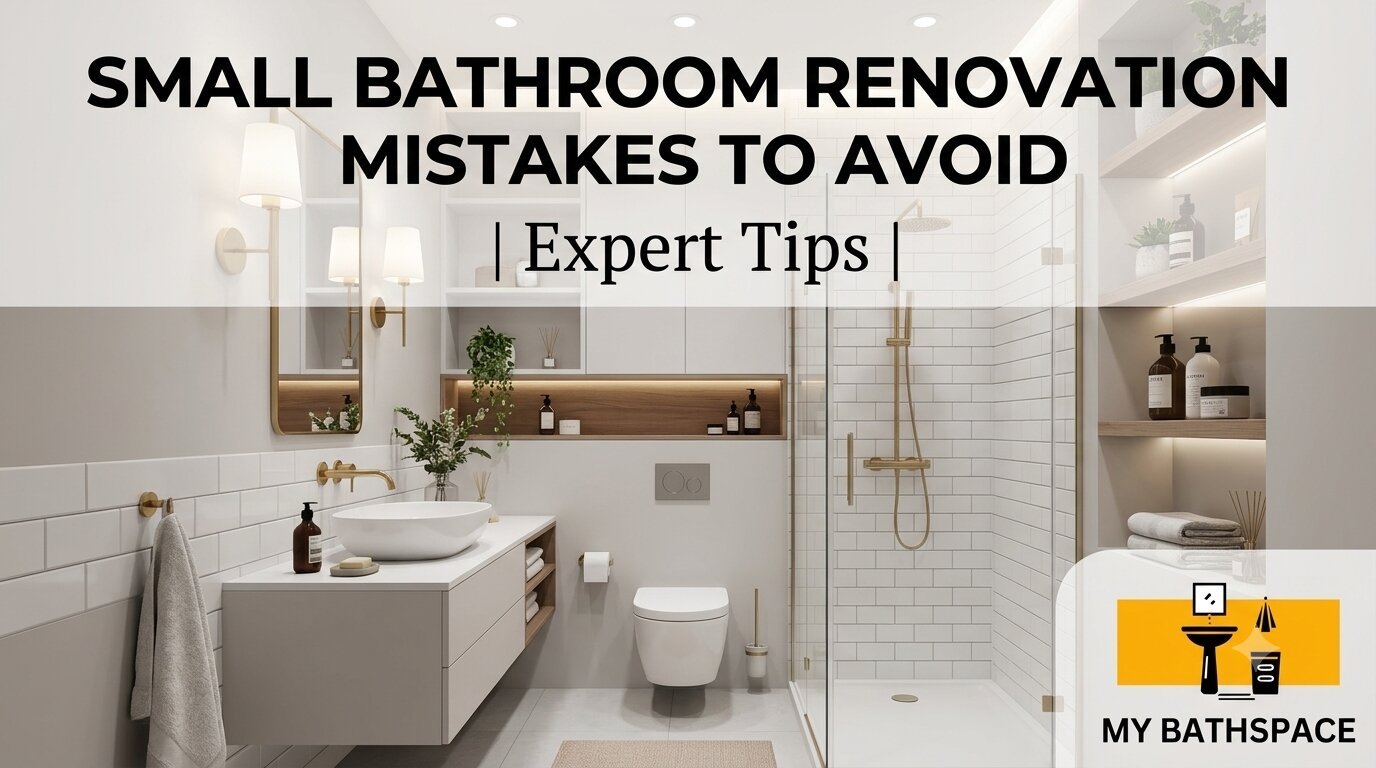
Small Bathroom Renovation Mistakes to Avoid: Expert Tips for a Beautiful & Functional Space
Jul 20, 2026
-
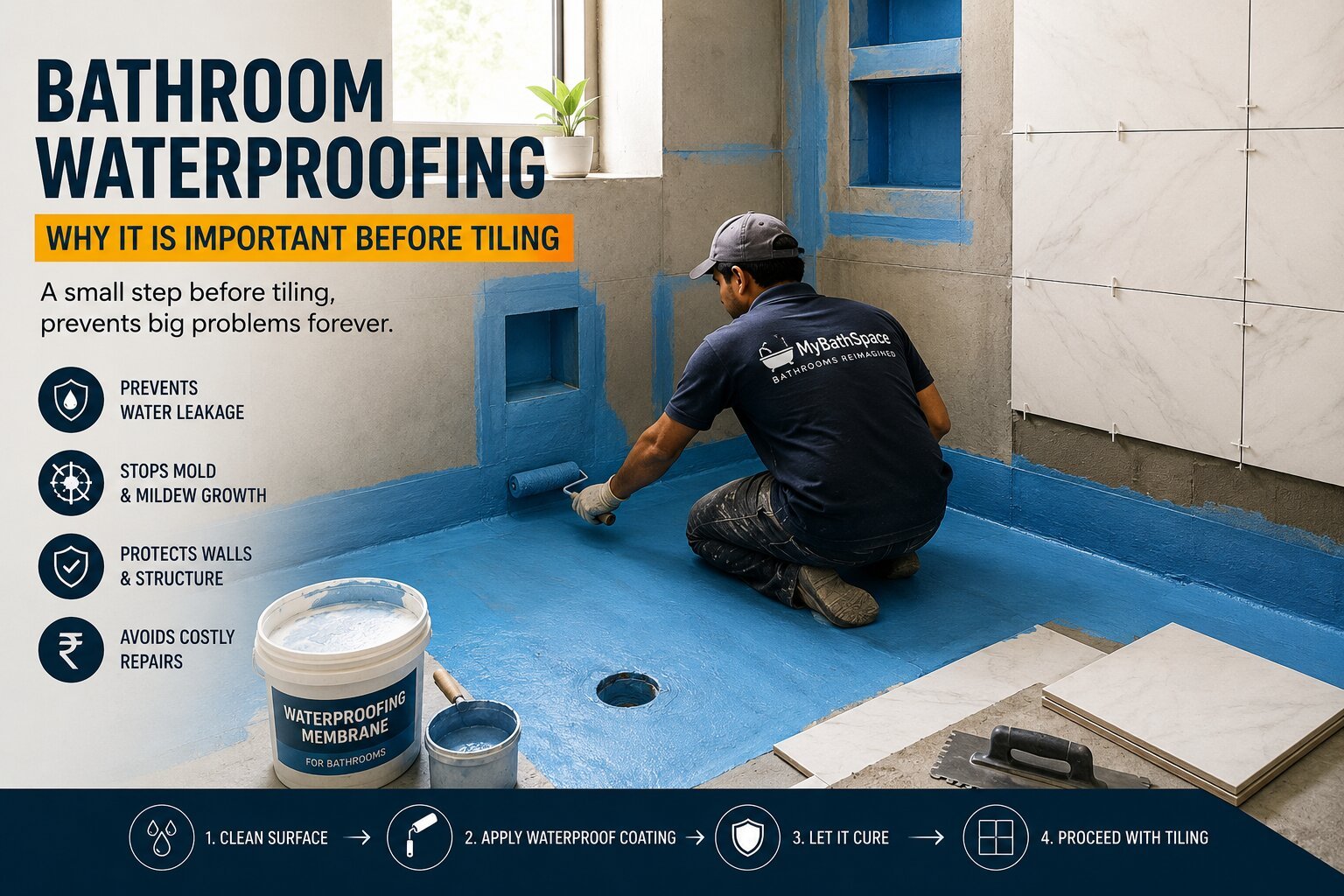
Bathroom Waterproofing: Why It Is Important Before Tiling
Jul 10, 2026
-

Top Bathroom Renovation Trends , Modern Designs and Features
Jul 02, 2026
-
Why Bathroom Renovation is Becoming Popular in Noida: Trends, Benefits, and Modern Design Ideas
Jun 18, 2026
-
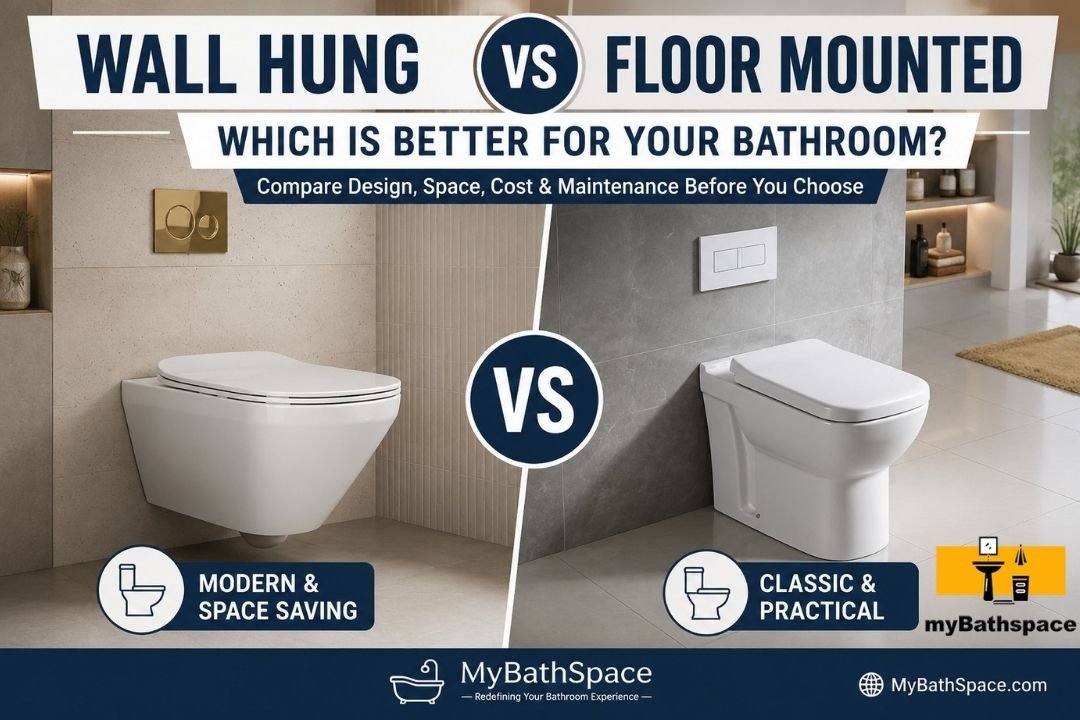
Wall Hung vs Floor Mounted Toilet: Which Is Better for Your Bathroom?
Jun 06, 2026
-
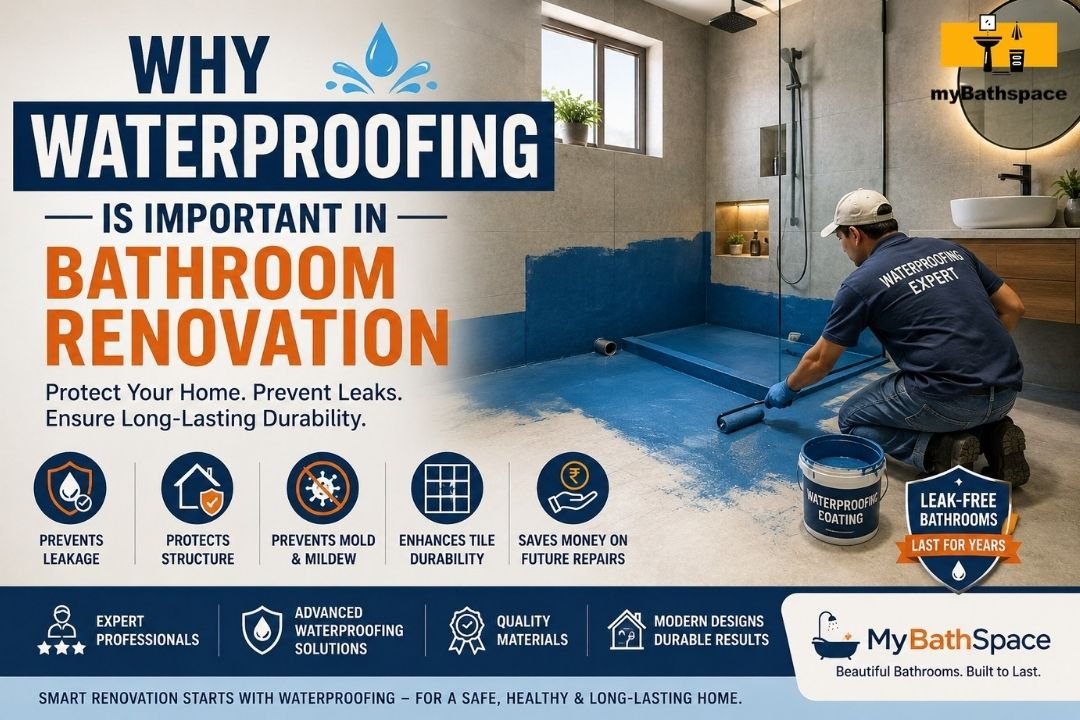
Why Waterproofing Is Important in Bathroom Renovation
May 22, 2026
-
Top Bathroom Storage Ideas for Clutter-Free Living
May 14, 2026
-
Before & After: Small Bathroom Renovation in Delhi
May 08, 2026
-
Waterproofing Mistakes to Avoid During Bathroom Renovation
Apr 06, 2026
-
Is Modular Bathroom Design Worth It in India?
Mar 30, 2026
-
What Do Designers NEVER Tell You About Bathroom Renovation?
Mar 24, 2026
-
Bathroom Renovation: Is It Worth the Investment?
Mar 21, 2026
-

DIY vs Professional Bathroom Renovation: Which Is Cheaper?
Mar 11, 2026
-
7 Bathroom Renovation Secrets Interior Designers Never Tell You
Feb 25, 2026
-
Low Budget Bathroom Design Ideas for Indian Homes
Feb 18, 2026
-
.jpeg)
Top 7 Questions to Ask Before Hiring a Bathroom Renovation Company in Delhi
Feb 13, 2026
-
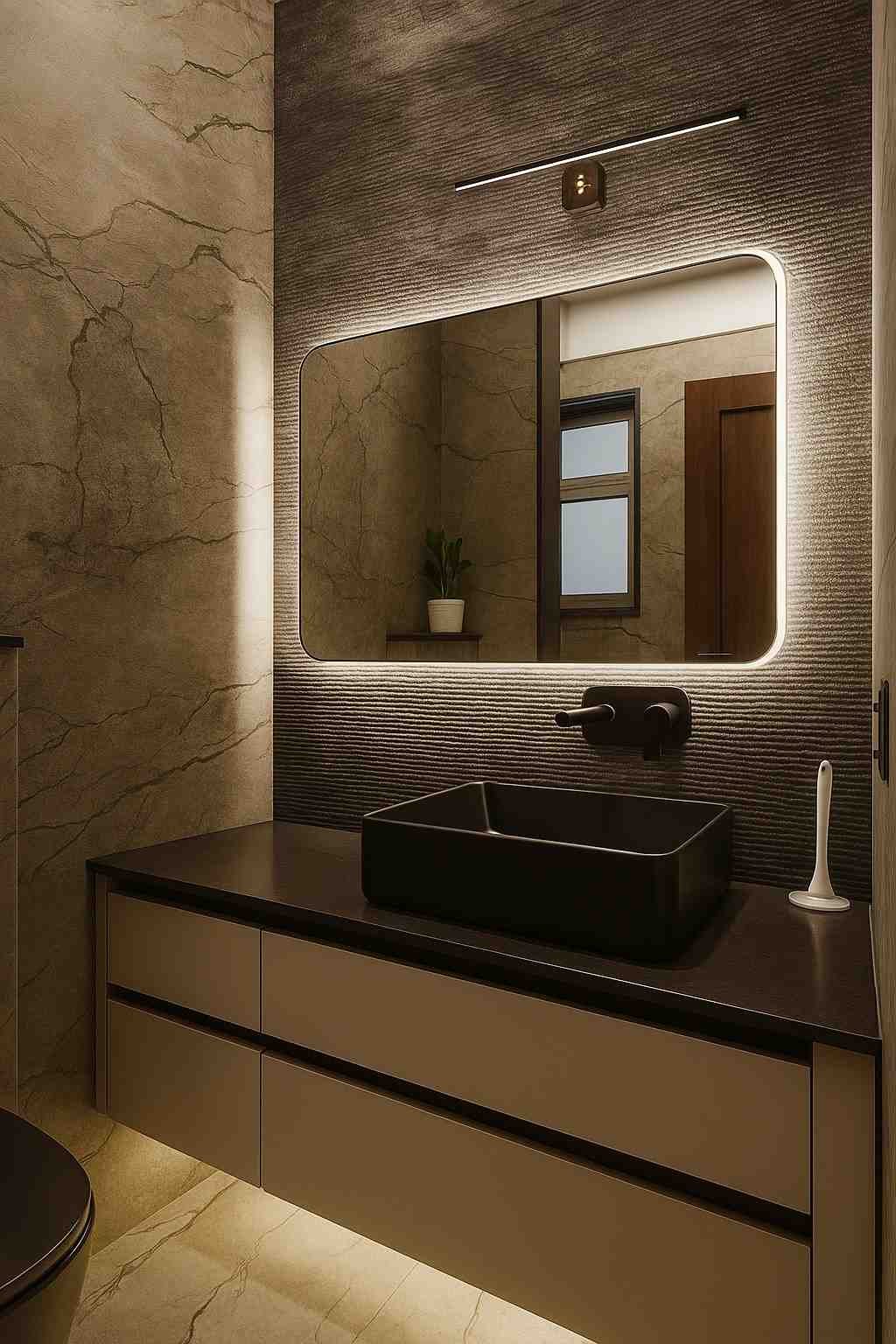
Why Bathroom Renovation Costs Increase & How to Control Them
Feb 06, 2026
-
.jpeg)
Is Professional Bathroom Design Worth the Cost?
Feb 02, 2026
-
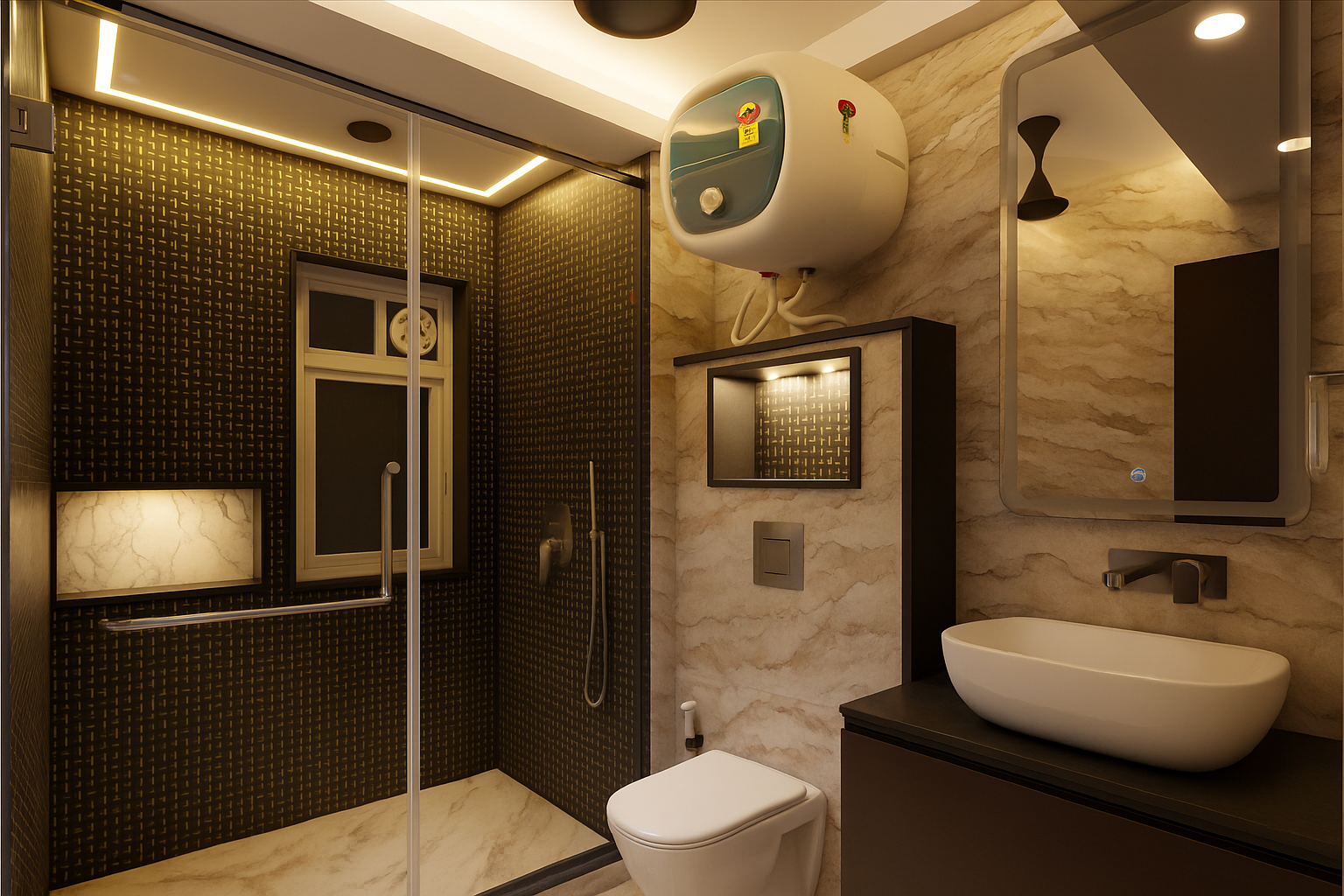
Bathroom Remodeling Red Flags Every Homeowner Should Watch For
Jan 29, 2026
-
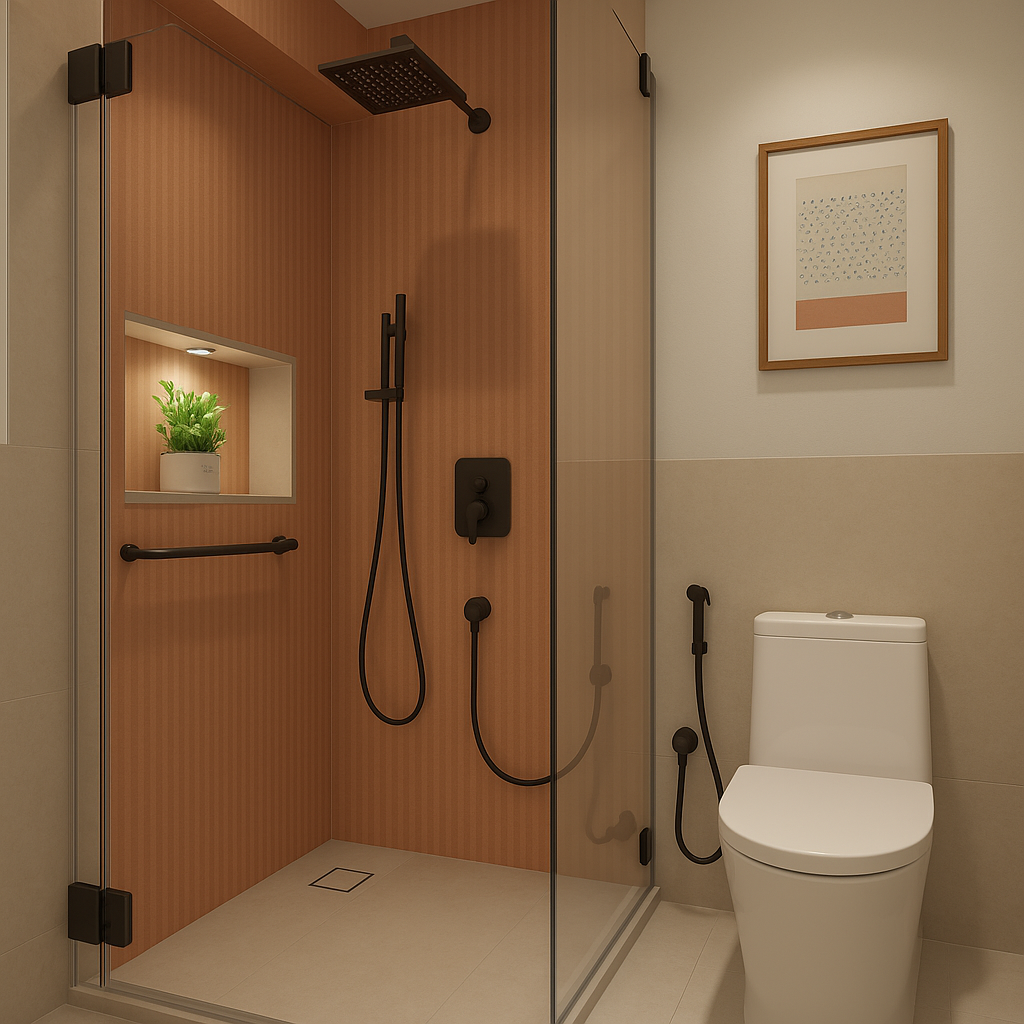
Bathroom Interior Designer in Delhi for Small Spaces: Smart Design Solutions
Jan 22, 2026
-
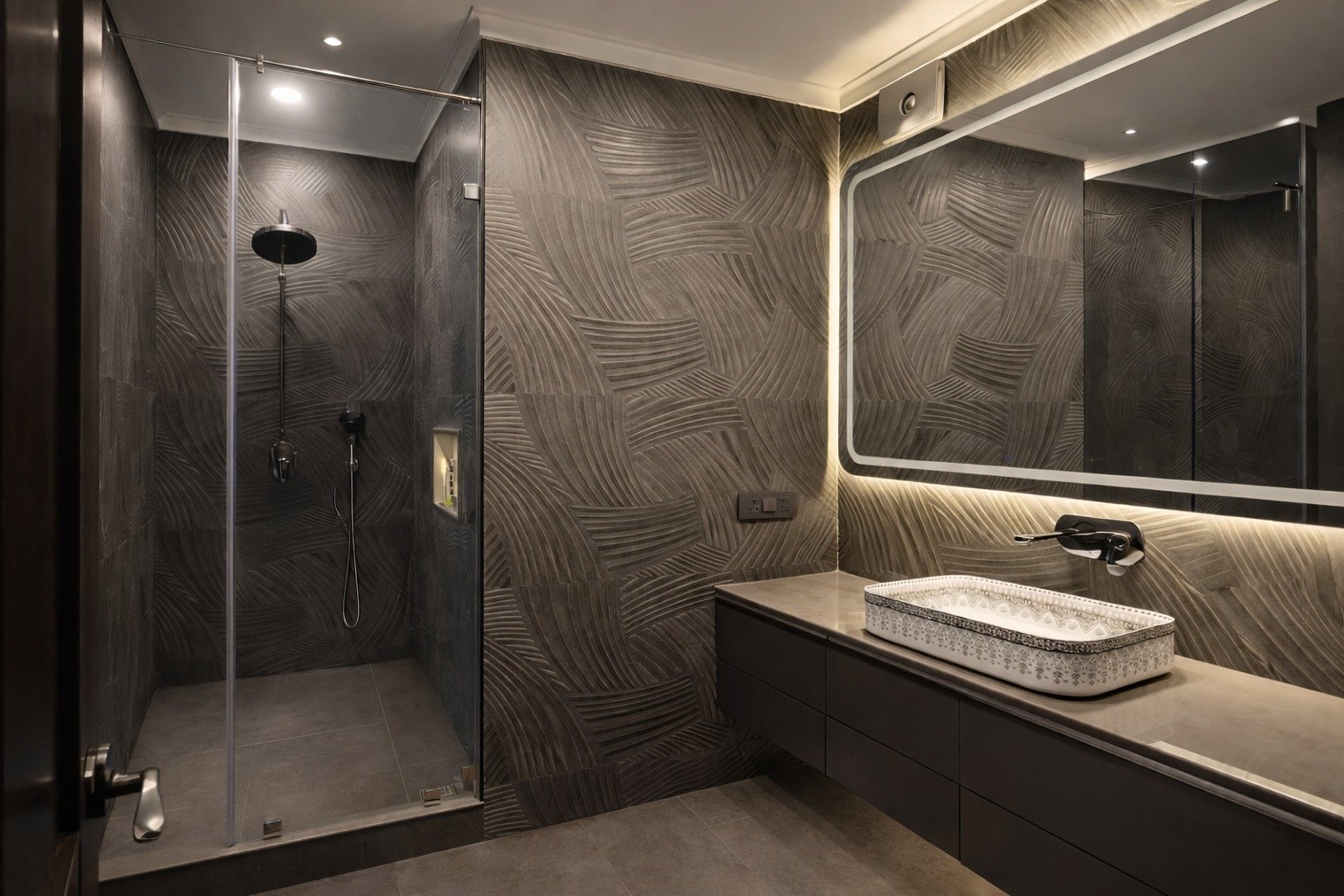
The Future of Relaxation: Top 7 Bathroom Makeover Trends to Watch in 2026
Jan 17, 2026
-
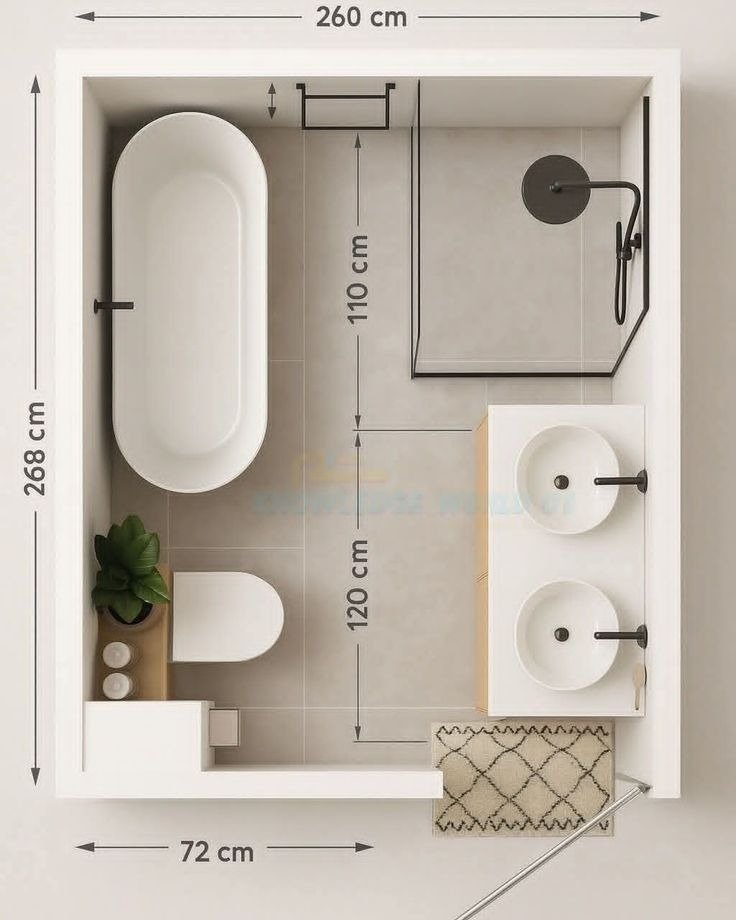
Plan Smart, Spend Right: Bathroom Renovation Cost Calculator by MyBathSpace
Jan 09, 2026
-
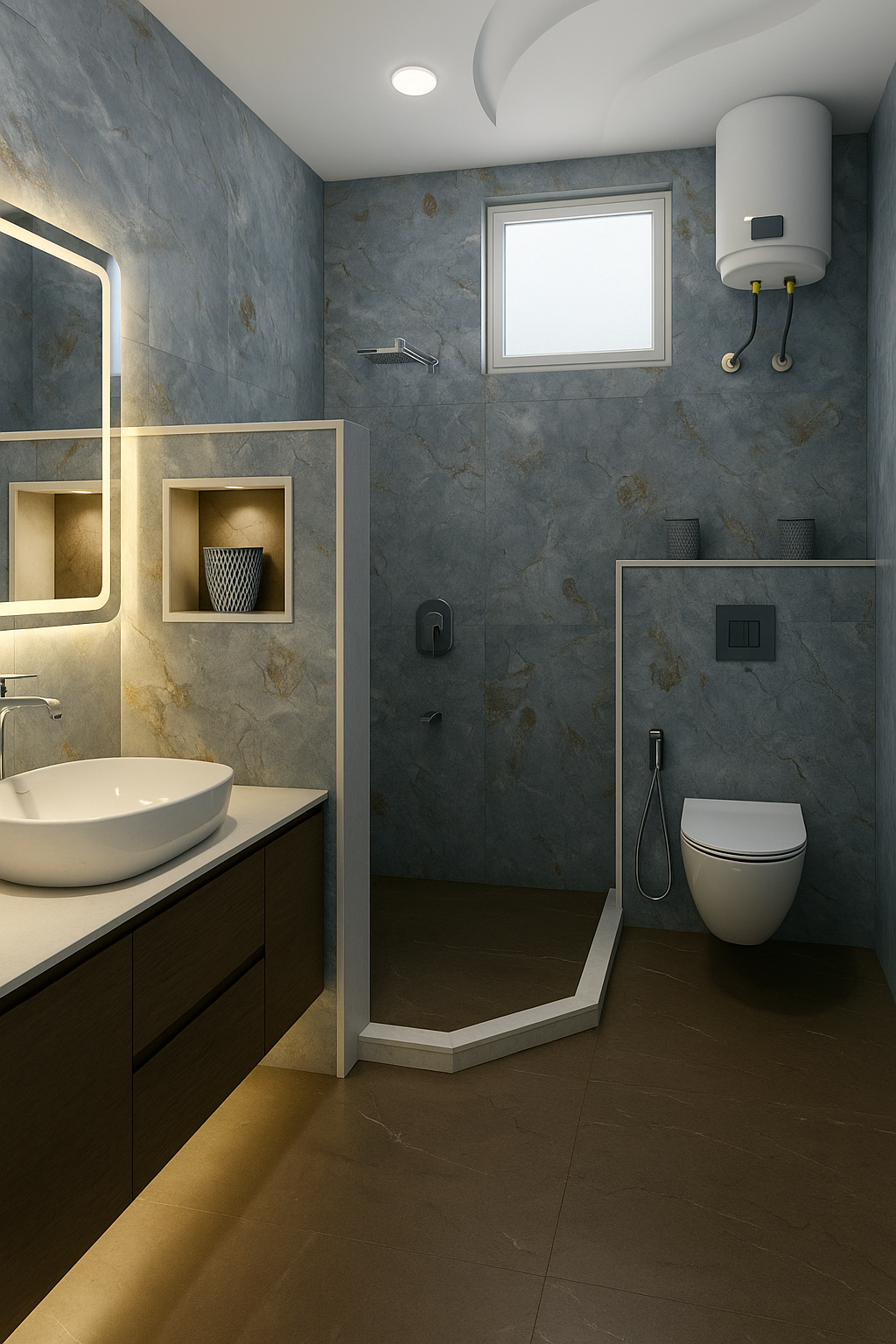
5 Ways to Make a Small Bathroom Look Expensive Without Breaking the Bank
Dec 26, 2025
-
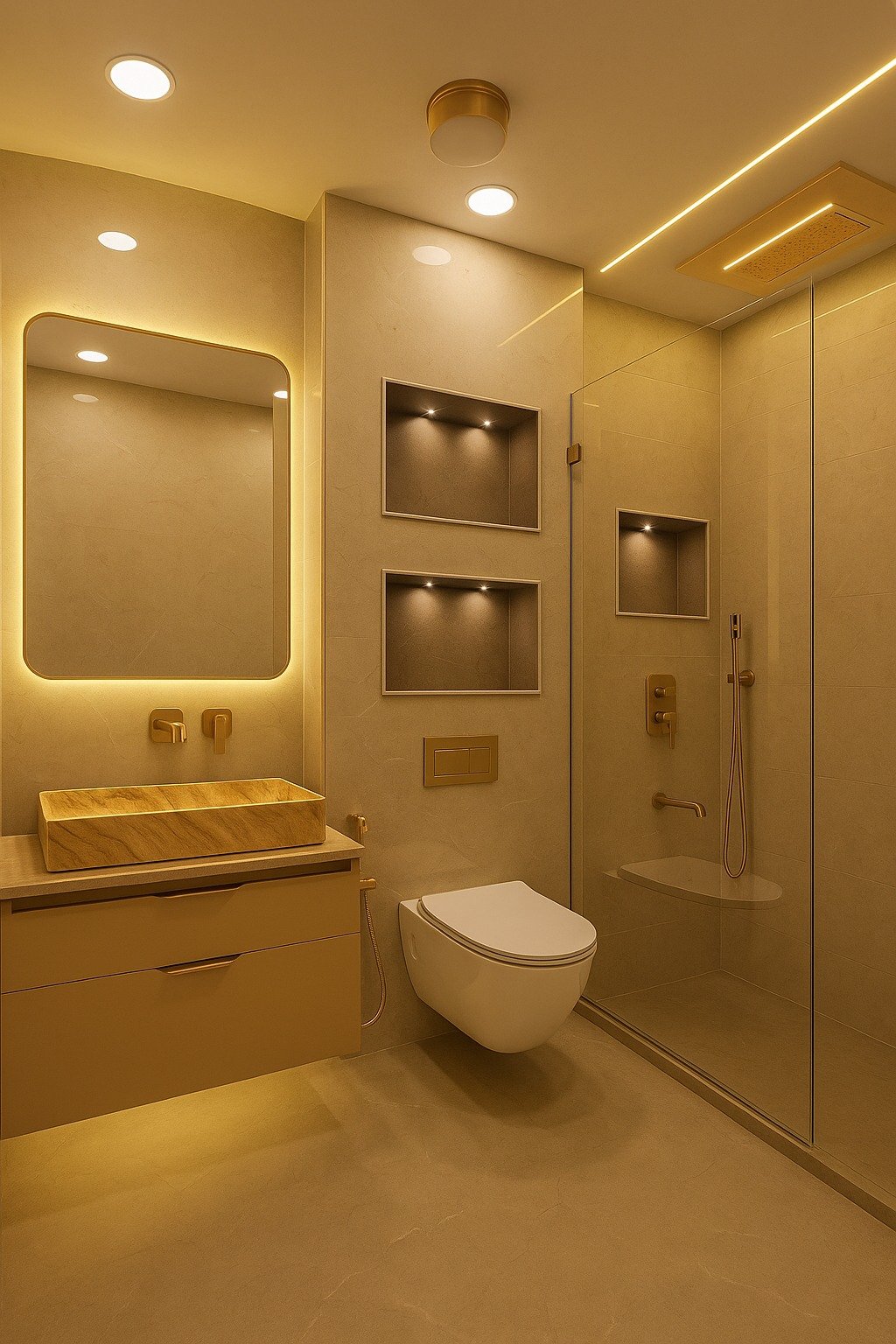
Bathroom Renovation vs New Bathroom Design: What’s Better?
Dec 20, 2025
-
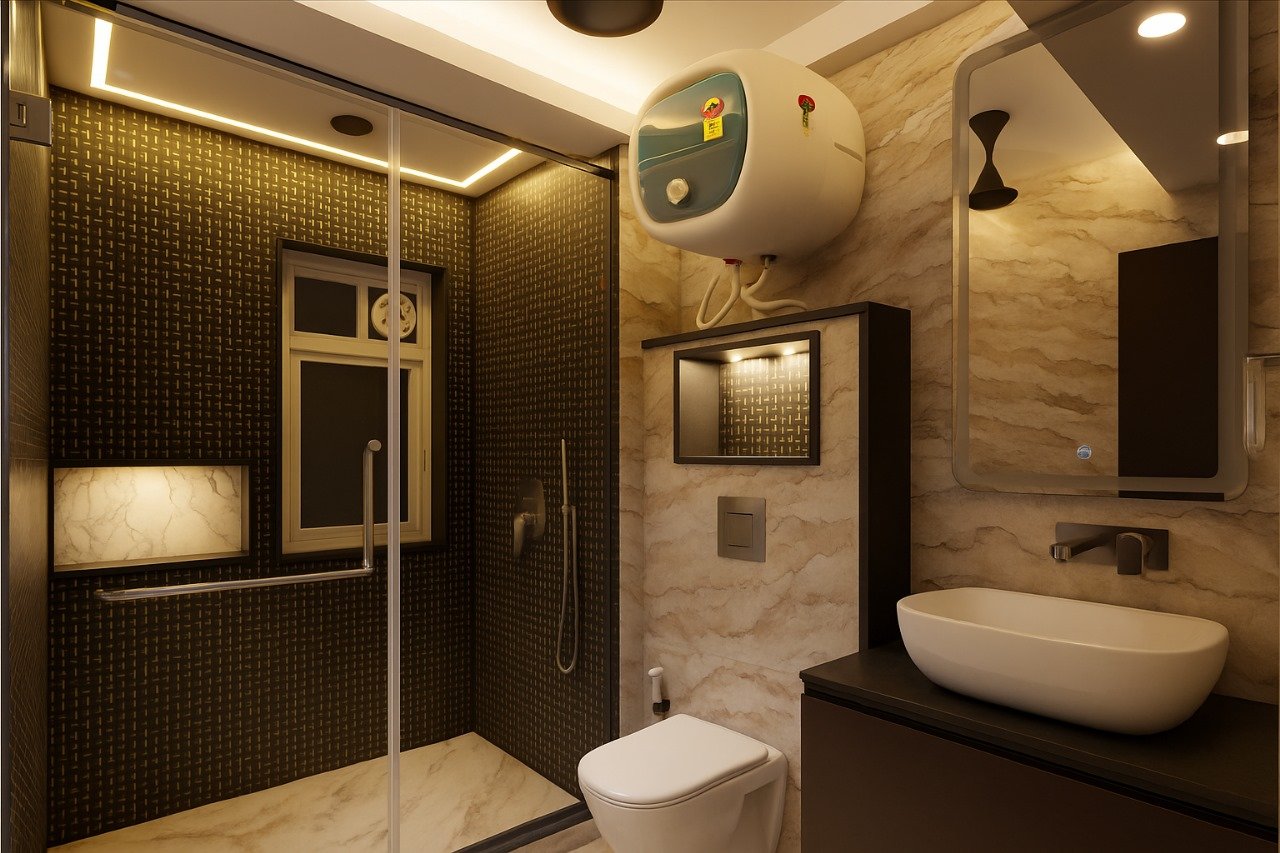
Bathroom Renovation Cost in Delhi NCR (2025 Guide)
Dec 15, 2025
-
.jpeg)
Why My Bath Space Is the Go-To Bathroom Renovation Expert in Noida
Dec 02, 2025
-
.jpg)
Budget-Friendly Bathroom Design Tips to Transform Your Space
Nov 26, 2025
-
Bathroom Tile Designs for Luxury Homes: Premium Inspirations
Nov 20, 2025
-
.jpg)
Bathroom Remodel Service in Delhi NCR | Upgrade Your Bath Space
Nov 14, 2025
-
.jpg)
Best Bathroom Contractor in Delhi | Modern Remodeling Experts
Nov 10, 2025
-

Smart Small Bathroom Renovation Ideas for Modern Homes
Nov 07, 2025
-
Tales of Tiles: Crafting Bathroom Elegance One Square at a Time
Jun 11, 2025
-

Top Bathroom Renovation Services in Delhi: Why myBathspace is the Best Choice
Apr 07, 2025
-

Best bathroom remodeling contractor near me.
Mar 13, 2025
-

Choosing the Right Material for Your Bathroom Remodel
Mar 13, 2025
-

Step By Step: Planning Your Perfect Bathroom Renovation
Mar 12, 2025
-

Top Bathroom Renovation Trends in 2025: Modern Designs And Features
Mar 12, 2025
-

Small Bathroom Remodel Ideas : Maximizing Space And Style
Mar 12, 2025
-

Transform Your Home with a Bathroom Renovation
Mar 12, 2025
Recent Blogs
-
Bathroom Renovation Cost in Noida 2026: Complete Price Breakdown, Budget Planning and Expert Tips
-
1-Day Bathroom Renovation Without Construction | QuickLift
-
Bathroom Design Ideas for Indian Homes: Complete 2026 Guide
-
Bathroom Renovation Cost in Delhi NCR 2026: Complete Price Guide
-
Bathroom Renovation in Delhi NCR: Complete Guide to Design, Cost, Process & Timeline
-
Space-Saving Small Bathroom Ideas for a Modern Makeover
-
Why My Bath Space Is the Go-To Bathroom Renovation Expert in Delhi
-
Common Bathroom Renovation Mistakes and How to Avoid Them
-
Small Bathroom Renovation Mistakes to Avoid: Expert Tips for a Beautiful & Functional Space
-
Bathroom Waterproofing: Why It Is Important Before Tiling
-
Top Bathroom Renovation Trends , Modern Designs and Features
-
Why Bathroom Renovation is Becoming Popular in Noida: Trends, Benefits, and Modern Design Ideas
-
Wall Hung vs Floor Mounted Toilet: Which Is Better for Your Bathroom?
-
Why Waterproofing Is Important in Bathroom Renovation
-
Top Bathroom Storage Ideas for Clutter-Free Living
-
Before & After: Small Bathroom Renovation in Delhi
-
Waterproofing Mistakes to Avoid During Bathroom Renovation
-
Is Modular Bathroom Design Worth It in India?
-
What Do Designers NEVER Tell You About Bathroom Renovation?
-
Bathroom Renovation: Is It Worth the Investment?
-
DIY vs Professional Bathroom Renovation: Which Is Cheaper?
-
7 Bathroom Renovation Secrets Interior Designers Never Tell You
-
Low Budget Bathroom Design Ideas for Indian Homes
-
Top 7 Questions to Ask Before Hiring a Bathroom Renovation Company in Delhi
-
Why Bathroom Renovation Costs Increase & How to Control Them
-
Is Professional Bathroom Design Worth the Cost?
-
Bathroom Remodeling Red Flags Every Homeowner Should Watch For
-
Bathroom Interior Designer in Delhi for Small Spaces: Smart Design Solutions
-
The Future of Relaxation: Top 7 Bathroom Makeover Trends to Watch in 2026
-
Plan Smart, Spend Right: Bathroom Renovation Cost Calculator by MyBathSpace
-
5 Ways to Make a Small Bathroom Look Expensive Without Breaking the Bank
-
Bathroom Renovation vs New Bathroom Design: What’s Better?
-
Bathroom Renovation Cost in Delhi NCR (2025 Guide)
-
Why My Bath Space Is the Go-To Bathroom Renovation Expert in Noida
-
Budget-Friendly Bathroom Design Tips to Transform Your Space
-
Bathroom Tile Designs for Luxury Homes: Premium Inspirations
-
Bathroom Remodel Service in Delhi NCR | Upgrade Your Bath Space
-
Best Bathroom Contractor in Delhi | Modern Remodeling Experts
-
Smart Small Bathroom Renovation Ideas for Modern Homes
-
Tales of Tiles: Crafting Bathroom Elegance One Square at a Time
-
Top Bathroom Renovation Services in Delhi: Why myBathspace is the Best Choice
-
Best bathroom remodeling contractor near me.
-
Choosing the Right Material for Your Bathroom Remodel
-
Step By Step: Planning Your Perfect Bathroom Renovation
-
Top Bathroom Renovation Trends in 2025: Modern Designs And Features
-
Small Bathroom Remodel Ideas : Maximizing Space And Style
-
Transform Your Home with a Bathroom Renovation